Photojournalism Techniques for Event Photography | Capturing Authentic Moments
Explore essential photojournalism techniques used in event photography. Learn how professionals capture authentic moments, anticipate action, work discreetly, and tell compelling visual stories at weddings, conferences, and corporate events.
Exploring Photojournalism Techniques: How to Capture Authentic Moments at Events
Photojournalism is more than a style—it is a disciplined approach to storytelling through images. At its core, it prioritizes truth, timing, and observation over direction and staging. For event photographers working in fast-moving environments such as weddings, conferences, galas, and corporate gatherings, strong photojournalism techniques make the difference between ordinary documentation and meaningful visual narrative.
Below are the foundational techniques that guide professional photojournalistic coverage.
1. Anticipation Over Reaction
Great photojournalists rarely chase moments after they happen. Instead, they learn to read a room, watch body language, and position themselves before the decisive instant occurs.
In practice this means:
- Observing conversational clusters and emotional cues
- Watching the flow of a program or ceremony
- Positioning for likely reactions (applause, embraces, toasts, arrivals)
- Staying ready during transitions, when many of the most genuine moments appear
Anticipation allows the photographer to be present for the moment rather than scrambling to catch up to it.
2. Working Unobtrusively
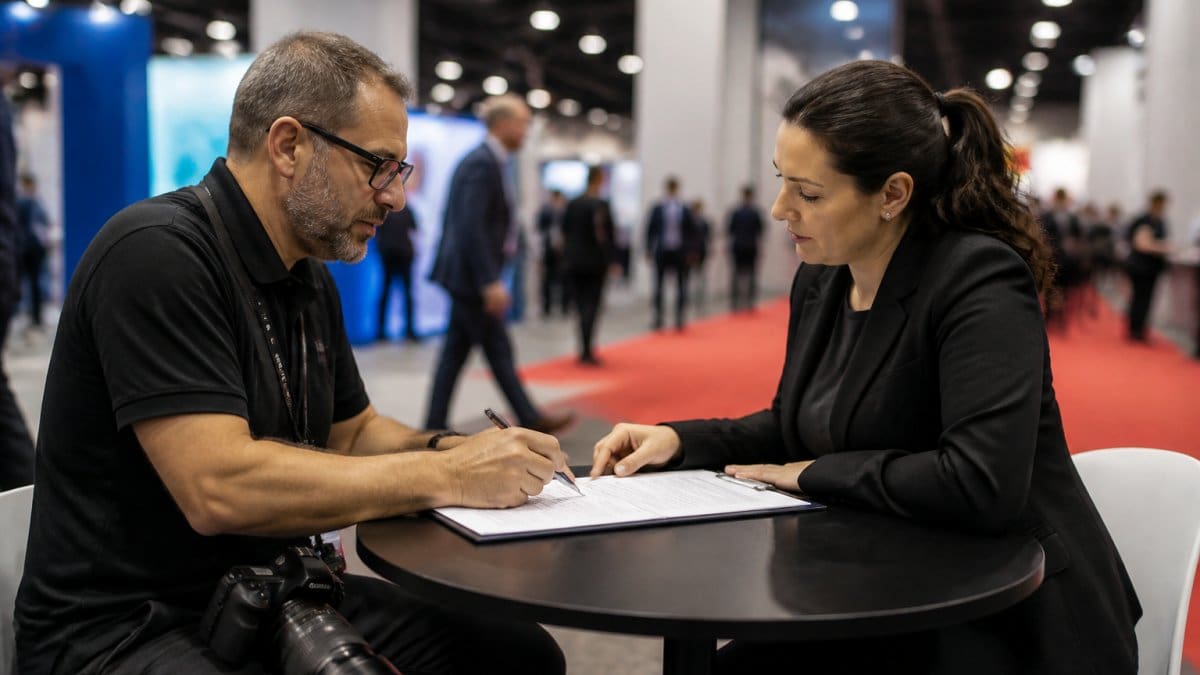
One of the defining principles of photojournalism is minimal interference. The photographer’s presence should not alter the behavior of the people being photographed.
Effective techniques include:
- Moving deliberately and quietly
- Using longer lenses when appropriate to maintain distance
- Avoiding constant flash or disruptive lighting
- Blending into the environment through professional, understated attire
- Knowing when not to raise the camera
The goal is to document the event as it naturally unfolds, not to become part of the experience for guests or participants.
3. Layering and Environmental Context
Strong photojournalistic images often contain more than a single subject. Including environmental context—architecture, décor, other people, or the wider scene—adds depth and storytelling value.
Techniques that support this include:
- Shooting through foreground elements for layering
- Using wider frames to show relationships between people and space
- Capturing both intimate moments and the larger atmosphere of the room
- Balancing tight emotional frames with establishing shots
Context helps viewers understand not only what happened, but where and how it felt.
4. Mastering Available Light
Event environments frequently present challenging and mixed lighting. Photojournalists develop the ability to work primarily with available light rather than relying heavily on artificial sources.
Key practices include:
- Exposing for faces and important subjects first
- Understanding how light falls in different venues
- Adjusting quickly between stage lighting, ambient room light, and natural window light
- Using higher ISO performance and fast lenses when needed
- Keeping flash subtle and bounced when it is required
Working with available light preserves a natural look and reduces distraction.
5. Sequencing and Visual Narrative
Individual images matter, but sequences create story. Professional photojournalists think in terms of narrative flow—beginning, middle, and end—rather than isolated “hero” shots.
This approach includes:
- Documenting arrivals, key program moments, interactions, and departures
- Capturing both peak action and quieter transitional moments
- Building a body of work that reflects the emotional arc of the event
- Editing with storytelling in mind so the final gallery feels cohesive
A well-sequenced set of images allows viewers to experience the event again through the photographs.
6. Ethical Observation and Discretion
Photojournalism carries an ethical responsibility. In event settings—especially political, corporate, advocacy, or private celebrations—discretion and respect are essential.
Core principles include:
- Honoring privacy and restricted areas
- Avoiding images that misrepresent the tone or intent of the event
- Remaining professional around sensitive conversations or high-profile individuals
- Prioritizing accuracy and context over sensationalism
Trust is earned through consistent, respectful behavior as much as through technical skill.
Putting the Techniques into Practice
Mastering photojournalism techniques requires both preparation and presence. Researching the venue, understanding the schedule, and clarifying client priorities beforehand allow the photographer to work more freely in the moment. Once the event begins, the focus shifts to observation, anticipation, and quiet responsiveness.
At Event Photojournalism these principles have guided our coverage of weddings, conferences, galas, political events, and celebrations across Washington DC, Northern Virginia, and the greater DMV for more than three decades. The goal remains the same: to create authentic visual stories that feel true to the experience.
Whether you are a photographer refining your craft or an organization seeking coverage rooted in real moments, understanding these techniques reveals why photojournalism continues to be one of the most powerful approaches to event documentation.