
Documentary Photography Ethics | Integrity in Event & Photojournalistic Coverage
Explore the core ethics of documentary photography. Learn how professional photojournalists balance truth, consent, discretion, and storytelling when documenting weddings, corporate events, and public gatherings.
Documentary Photography Ethics: Guiding Principles for Authentic Storytelling
Documentary photography rests on a foundation of trust. Whether covering a wedding, a corporate conference, a political gathering, or a private celebration, the photographer’s responsibility extends beyond technical skill. Ethical practice determines whether the resulting images honor the people and moments they depict—or exploit them.
At its best, documentary photography seeks to represent reality with honesty, context, and respect. The following principles form the ethical core of professional photojournalistic work.
1. Truthfulness and Accuracy
The primary obligation of documentary photography is to represent events as they actually occurred. This means:
- Avoiding heavy staging or direction that alters the reality of a moment
- Refraining from digital manipulation that changes the meaning of an image
- Providing enough context so that photographs are not easily misinterpreted
- Resisting the temptation to prioritize a more dramatic frame over an accurate one
In event settings, this principle guides the decision to remain observational rather than directive. The goal is to document what happened, not to create a more photogenic version of it.
2. Consent and Respect for Subjects
While public events and large gatherings often involve implied consent, ethical photographers remain sensitive to individual privacy and dignity.
Key considerations include:
- Being mindful of vulnerable or emotional moments
- Avoiding images that could cause unnecessary embarrassment or harm
- Honoring requests to refrain from photographing certain individuals or situations
- Exercising particular care with children, private ceremonies, and sensitive discussions
In private events such as weddings or corporate gatherings, the photographer operates as a trusted guest. That trust requires restraint as much as technical excellence.
3. Discretion and Minimal Interference
A defining ethic of documentary work is that the photographer’s presence should not significantly change the behavior of the people being photographed.
Practical applications include:
- Moving quietly and deliberately through the space
- Avoiding constant flash or disruptive equipment
- Choosing longer lenses when appropriate to maintain respectful distance
- Knowing when to lower the camera and simply observe
The most ethical coverage often feels invisible to the participants. Guests and speakers should be able to experience the event without performing for the camera.
4. Context and Fair Representation
An isolated image can easily mislead. Ethical documentary photographers strive to present a balanced and contextual view of the event.
This involves:
- Capturing a range of moments rather than only the most dramatic ones
- Including environmental and relational context when it adds understanding
- Avoiding selective framing that distorts the overall tone or purpose of the gathering
- Editing sequences in a way that reflects the true arc of the event
Fair representation protects both the subjects and the integrity of the photographer’s work.
5. Professional Boundaries and Confidentiality
Many events—especially corporate, political, advocacy, and private celebrations—involve sensitive information or high-profile individuals. Ethical practice requires clear professional boundaries.
Important standards include:
- Respecting confidentiality agreements and non-disclosure expectations
- Refraining from sharing or publishing images beyond the agreed scope without permission
- Maintaining professionalism around executives, public figures, and private conversations
- Understanding and following venue or security protocols without exception
Reputation in the event industry is built on reliability and discretion as much as on image quality.
6. Accountability and Intent
Ultimately, ethical documentary photography is guided by intent. The photographer must continually ask:
- Am I serving the truth of the moment?
- Am I respecting the people in the frame?
- Would I be comfortable with this image if I were the subject?
- Does this photograph contribute to understanding rather than sensationalism?
These questions help maintain integrity when decisions must be made quickly in complex environments.
Applying Ethics in Real Event Work
In practice, documentary photography ethics are not abstract rules—they are daily decisions. They influence where a photographer stands, when they raise the camera, how they edit, and what they choose to deliver.
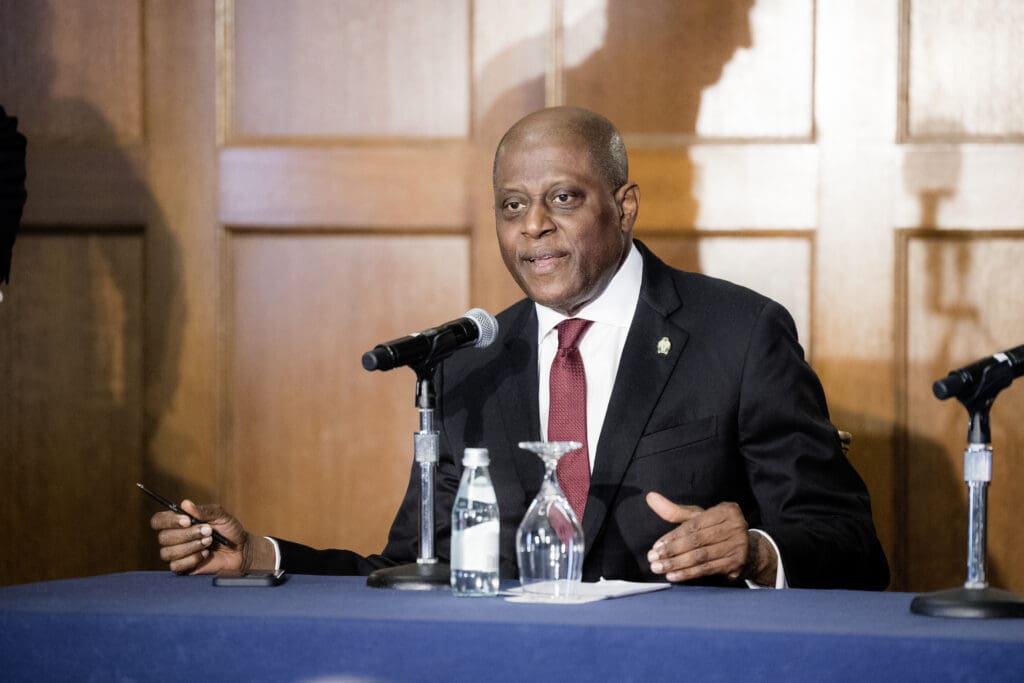
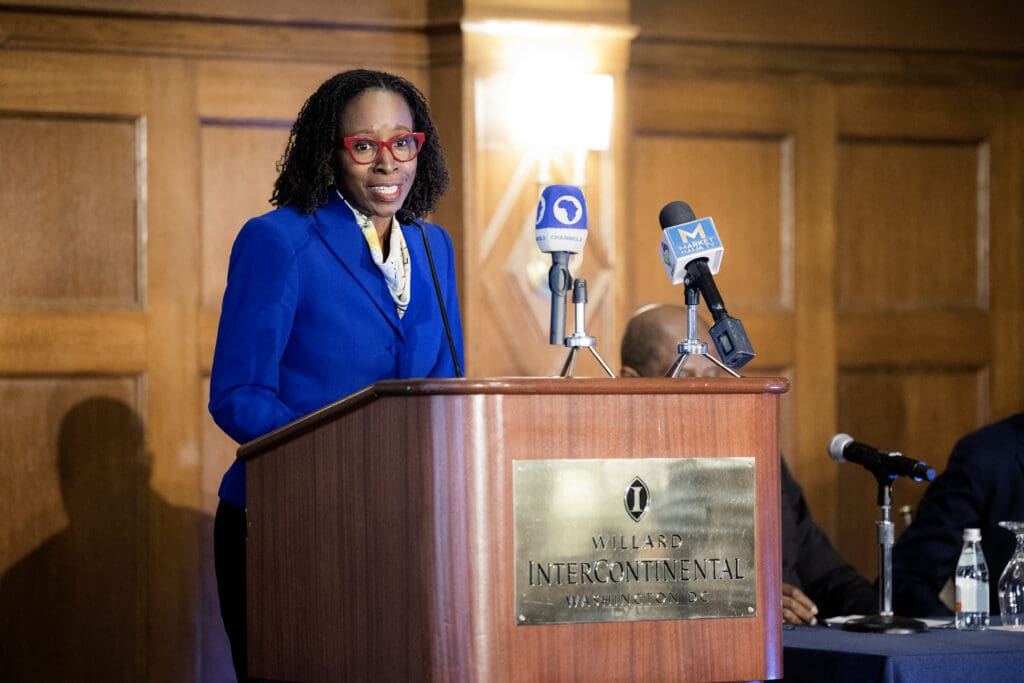
At Event Photojournalism / Rodney Bailey Photography, these principles have shaped more than three decades of coverage across weddings, corporate events, political gatherings, and celebrations throughout Washington DC, Northern Virginia, and the greater DMV. The commitment remains consistent: to document real moments with honesty, respect, and lasting integrity.
Authentic storytelling depends not only on technical skill, but on the ethical foundation that supports it.