
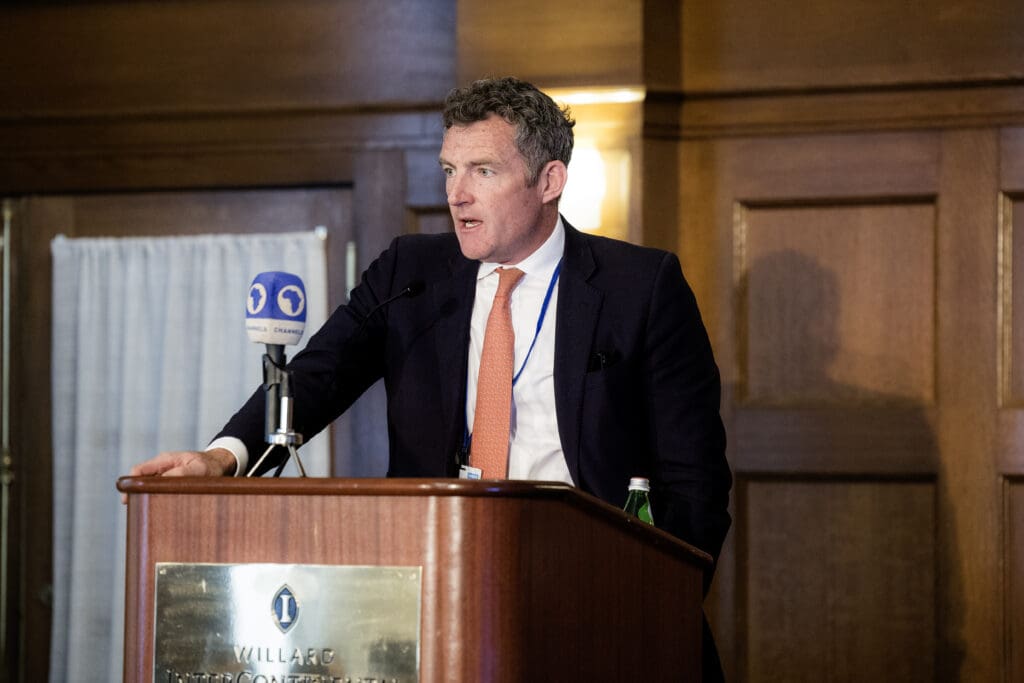

Capturing Candid Moments in Event Photography | The Art of Authentic Storytelling
Learn how professional photojournalists capture candid moments at weddings, corporate events, and celebrations. Discover techniques for authentic, unposed photography that tells the real story of the day.
Capturing Candid Moments: The Heart of Photojournalistic Event Photography
The most powerful photographs from any event are rarely the ones that were posed. They are the unscripted exchanges, the spontaneous laughter, the quiet glances, and the genuine reactions that happen when people are simply living the moment. Capturing these candid moments is at the core of true photojournalism.
At Event Photojournalism / Rodney Bailey Photography, our approach has always centered on documenting real life as it unfolds—without heavy direction or interruption. Here’s how professionals consistently capture authentic candid moments, and why they matter so much.
Why Candid Moments Matter
Candid photographs feel honest. They preserve the emotion and energy of an event in a way that staged images rarely can. For couples, families, and organizations, these frames become the ones that trigger the strongest memories years later:
- A parent’s expression during a meaningful toast
- Colleagues sharing a spontaneous laugh between sessions
- The quiet connection between partners during a busy reception
- Guests fully engaged in conversation, unaware of the camera
These images tell the real story of the day.
Key Techniques for Capturing Candid Moments
1. Observation Before Action
Skilled photojournalists spend significant time watching. They read body language, notice emerging interactions, and position themselves before the moment peaks rather than reacting after it has passed.
2. Maintaining a Low Profile
The less attention the photographer draws, the more natural people behave. Moving quietly, using available light whenever possible, and choosing appropriate focal lengths help preserve the authenticity of the scene.
3. Anticipating Emotional Beats
Certain points in an event reliably produce genuine reactions—arrivals, speeches, first dances, award announcements, or the space between formal program elements. Experienced photographers stay ready during these transitions.
4. Working the Edges of the Room
Many of the most revealing candid moments happen away from the center of attention. Conversations along the periphery, quiet exchanges in hallways, and small group interactions often yield the strongest storytelling frames.
5. Patience and Selectivity
Not every moment needs to be photographed. Knowing when to raise the camera—and when to simply observe—is a critical skill. The best candid work comes from intentional choices rather than constant shooting.
Balancing Candid Coverage with Required Images
Most events still need a selection of formal or group photographs. The photojournalistic approach handles these efficiently so they do not dominate the coverage. Once the necessary formal frames are complete, the photographer returns to observational work, allowing the majority of the gallery to reflect the true spirit of the celebration.
The Result: A More Honest Visual Story
When candid moments form the foundation of event coverage, the final collection feels cohesive and true. Viewers don’t just see what the event looked like—they sense how it felt.
This philosophy has guided our work across weddings, bar and bat mitzvahs, corporate gatherings, galas, and celebrations throughout Washington DC, Northern Virginia, and the greater DMV for more than three decades. The goal remains consistent: to create images that honor the real experience of the day.
If you are planning an event and want photography rooted in authentic, candid storytelling, we would be glad to discuss how we approach coverage.
Primary Keywords:
Capturing candid moments, candid event photography, photojournalistic candid photography, authentic wedding photography, documentary-style event coverage
Would you like a shorter version, a client-facing FAQ version (“How do you capture candid moments?”), or social media captions drawn from this piece?