Capture Candid Networking Moments | DC Conference and Event Photography
How to capture candid networking moments at DC conferences, galas, and receptions—timing, lighting, staffing, and what communications teams actually use.
Capture Candid Networking Moments
Networking is the part of an event that looks unstructured and is the hardest to photograph well. People move. Groups form and break. Lighting is uneven. The moments worth keeping last a few seconds. Organizations that want useful recap images—not a wall of posed handshakes—need coverage built to capture candid networking moments as they happen.
Event Photojournalism approaches networking the same way we cover keynotes and galas: stay present, stay quiet, and wait for the exchange rather than manufacturing it.
What a Useful Networking Photo Actually Shows
A strong networking frame usually has one of these:
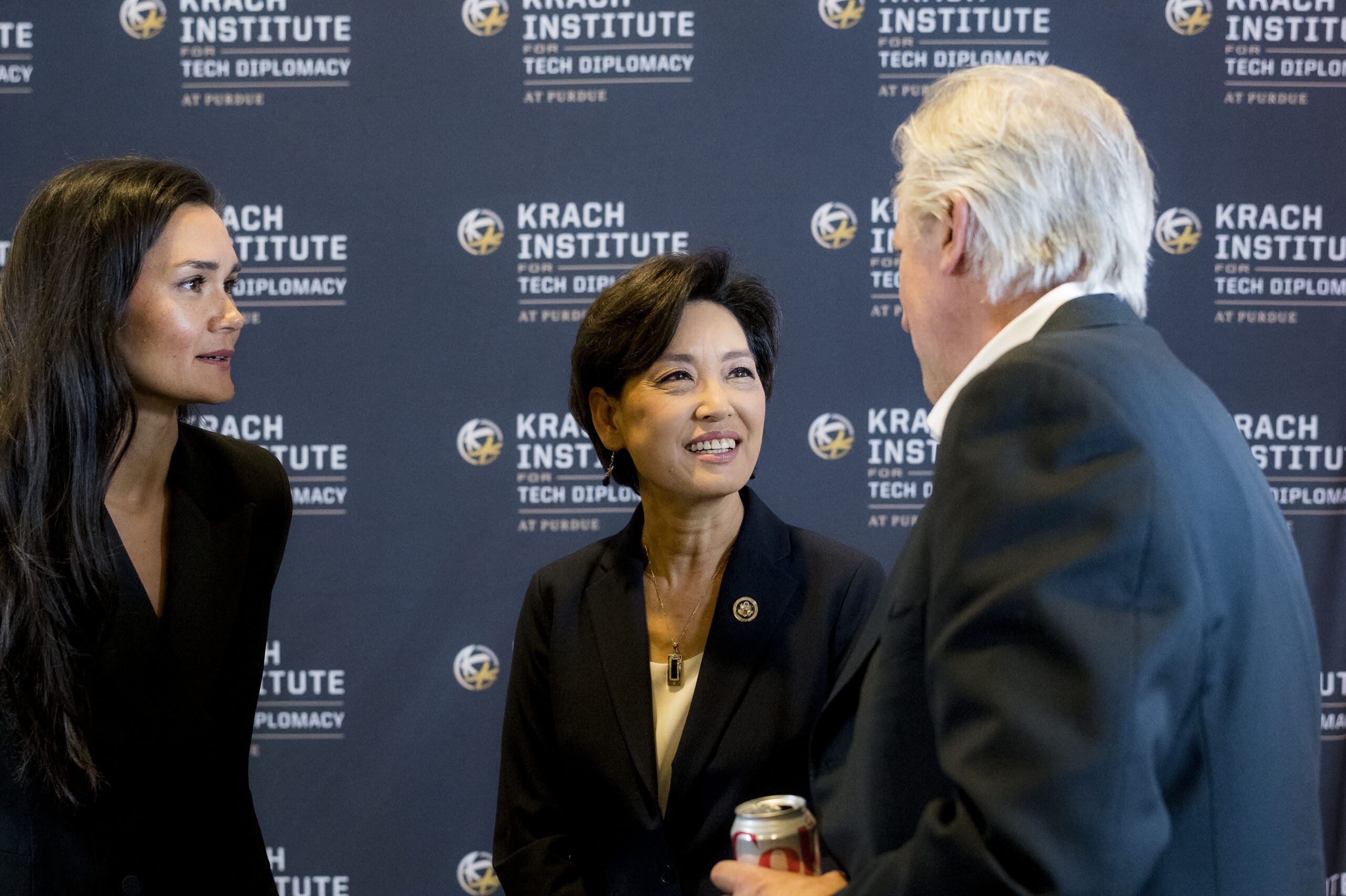
- Two people mid-conversation, not mid-pose
- A small group leaning in around a point
- A speaker or executive listening, not performing
- Name badges, materials, or branding that identify the event
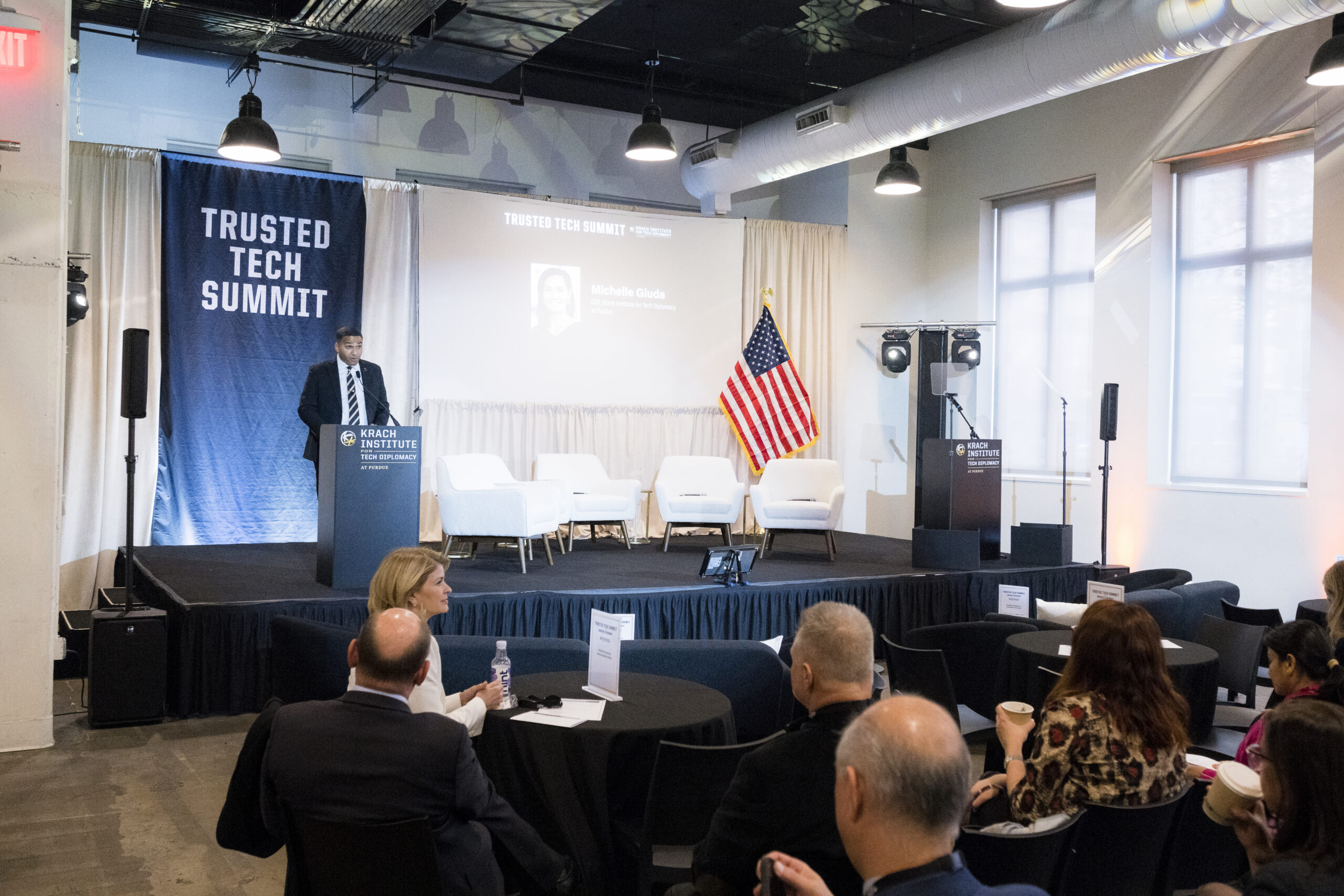
- Enough of the room to prove it was a gathering, not a studio
The handshake-for-the-camera shot is rarely the one communications teams publish. The image that works is the one that still looks like a conversation.
When Networking Photographs Best
After a session, not during the first five minutes.
Guests need time to get a drink and find people. The first pass through the room is often logistics. The second pass is conversation.
At the edges of the room.
Doorways, high-tops, exhibit aisles, and the far side of a foyer produce better frames than the center of a packed bar.
When someone is listening.
Reaction is more revealing than the person talking.
Before the official group photo.
Once people are asked to line up, candid coverage pauses. Get the real exchanges first.
How Photographers Should Work the Room
- Move continuously. Do not camp at one cocktail table.
- Use a longer lens when the room allows it, so guests do not perform for the camera.
- Keep flash off unless the room leaves no other option.
- Watch for repeated connections: sponsor and attendee, board member and new guest, speaker and question-asker.
- Leave space around the subject. Tight crops erase the event.
The photographer’s job is to be easy to ignore.
What Planners Can Do Before the Event
Candid coverage improves when the agenda supports it.
- Put a real networking block on the schedule, not only “doors at 6.”
- Keep one lighting look in the reception space. Extreme color washes flatten faces.
- Make badges readable.
- Tell leadership they do not need to find the photographer. The photographer will find them.
- Share a short list of people who must appear in the recap, then let the rest of the coverage stay observational.
A shot list of 40 posed pairings will not produce candid networking. A list of eight priority people will.
Staffing Matters
One photographer can cover networking in a single foyer.
Two photographers are the better choice when:
- Breakouts empty into two rooms
- An exhibit hall and a reception run at the same time
- A keynote ends and the cocktail hour starts immediately
If the only photographer is still in the ballroom breaking down a keynote, the best conversations are already over.
Where This Shows Up in DC Events
Candid networking is often the visual proof of the event at:
- Conference foyers at the Mayflower, Omni Shoreham, and convention hotels
- Gala cocktail hours at the Mellon Auditorium, NMWA, Anderson House, and the Spy Museum
- Waterfront receptions at The Wharf
- Off-site meetings at The Showroom DC and Long View Gallery
- Capitol Hill fly-in receptions
These rooms are crowded and mixed-light. The coverage has to be fast and unobtrusive.
Delivery That Communications Teams Can Use
Networking galleries work best when they are edited for conversation, not volume. A tight set of genuine exchanges is more useful than 200 near-duplicates.
For recaps, organizations typically need:
- A small next-day set for social and attendee emails
- A fuller gallery for internal reports
- Frames that include recognizable people and readable branding
A Short Planner Checklist
- Networking is on the timeline, not implied
- Priority people are named
- Badges and logos are readable
- Photographer knows which rooms will fill after the session
- Official group photos are scheduled after candid coverage, not instead of it
Book Coverage for Networking, Conferences, and Receptions
If your DC event depends on people actually meeting—not only sitting through a program—say so when you inquire. We will staff the reception and the transitions, not only the keynote.
Event Photojournalism
Phone: 703-362-5996
Website: eventphotojournalism.com
Washington, DC: 1133 14th Street NW, Washington, DC 20005
Virginia: 9204 Treasure Oak Court, Lorton, VA 22079