Table of Contents
- What Defines a Delivered Photo From Your Corporate Event
- Photo Counts by Event Duration and Photographer Coverage
- How Many Photos for a 3-Hour Event
- Event Photography Photos Per Hour: What to Expect
- Building a Corporate Event Photography Shot List
- Event Photography Turnaround Time and Delivery
- Factors That Change Your Photo Count
- Conclusion
- Frequently Asked Questions
Last Updated: October 12, 2026
What Defines a Delivered Photo From Your Corporate Event
When you hire a corporate event photographer, understanding how many photos to expect from a corporate event matters more than the raw count. A delivered photo has been selected, edited, and processed to professional standards, not every frame shot that day, but the curated selection that tells your event’s story.
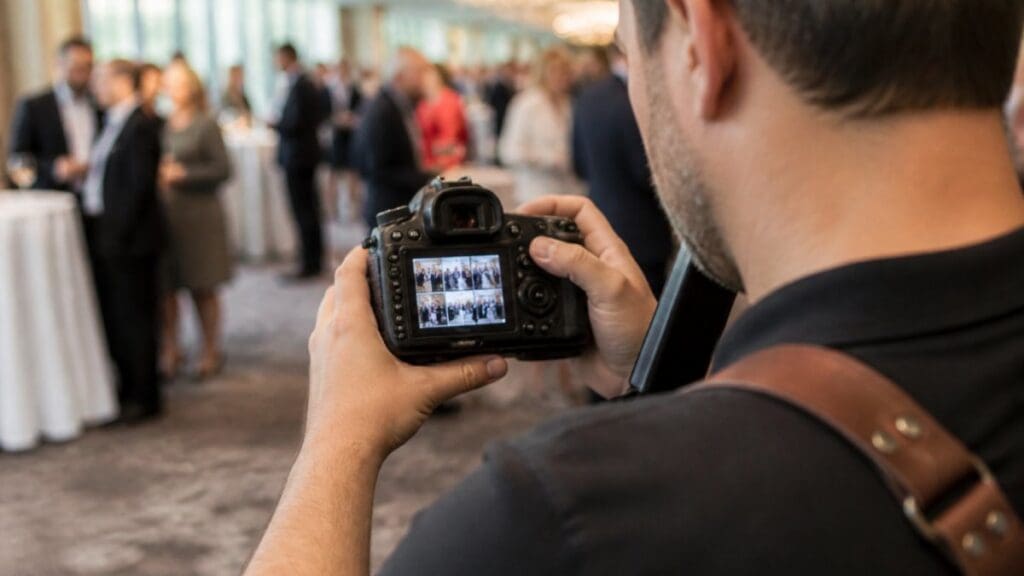
A photographer might capture 1,000 images during a four-hour event, but only 200-350 reach your final gallery. The rest are duplicates, technical misfires, unflattering moments, or shots that don’t fit your event’s narrative.
At Event Photojournalism, every image in your final gallery has been color-corrected, properly exposed, and selected for storytelling value. We remove frames where someone blinked, lighting failed, or composition didn’t work, so your delivered images are polished assets ready for your annual report, website, social media, or fundraising materials.
This process takes time. A photographer promising 500 images within 24 hours likely hasn’t done serious culling or editing.
Photo Counts by Event Duration and Photographer Coverage
The number of photos you’ll receive depends primarily on event duration and photographer count. A three-hour gala with one photographer delivers a different volume than a full-day conference with two shooters covering simultaneous sessions.
Here’s what typical coverage looks like, with the assumptions stated so you can adjust the estimate to your event:
| Event Duration | Single Photographer | Two Photographers | Delivered Photos (Estimate) |
|---|---|---|---|
| 2 hours | Continuous coverage | Not typical | 100-150 |
| 3 hours | Continuous coverage | Recommended for large events | 150-250 |
| 4 hours | Continuous coverage | Recommended | 250-350 |
| 6 hours | Continuous coverage | Recommended for multiple sessions | 350-500 |
| Full day (8+ hours) | Not recommended | Standard practice | 500+ |
The assumptions behind those ranges. Each estimate assumes continuous coverage, a culling rate of roughly 60-75% of frames captured, and standard color correction on every delivered image. Long seated stretches or key-moments-only coverage push the count to the low end; back-to-back programming, multiple speakers, and heavy interaction push it to the high end.
A simple estimate formula. A single photographer delivers roughly 50-75 edited images per hour of active coverage; a second adds about 60-80% of that rate rather than doubling, because the two overlap on key moments. A four-hour event with two photographers lands near 4 x 65 x 1.7, or roughly 440 images before final culling, hence the table’s 250-350 after selection. Use the formula to sanity-check quotes, not to demand a number.
Why the ranges vary. Variation depends on event type, venue layout, and action level. A networking event with constant mingling generates more candid moments than a seated dinner with speeches, and a ballroom with even lighting and clear sightlines produces more usable frames than a dim cocktail space.
When one photographer is enough, and when it isn’t. One photographer works for smaller, tightly scheduled events concentrated in one room. Multiple photographers become essential with simultaneous sessions, multiple rooms, or VIP coverage needs, one photographer can’t be in two places, and missed moments can’t be recreated.
Ask any photographer you’re considering to state their culling rate and their per-hour delivery range in writing. A quote that promises a specific image count without those two numbers is a marketing number, not an estimate.
What the count does not tell you. A higher number isn’t automatically better. Two photographers delivering 400 images full of duplicates and unedited files are less useful than one delivering 200 fully edited, well-selected images. Compare edited deliverable counts, not raw capture counts, only one is what you actually receive.
How Many Photos for a 3-Hour Event
A three-hour corporate event with one photographer typically yields 150 to 250 delivered images, assuming continuous coverage with professional editing and selection afterward.
The 3-hour window is common for galas, product launches, and networking receptions. A photographer can capture arrivals, opening remarks, stage moments, mingling, and closing activities, each generating different types of shots.
Multiple speakers, an awards presentation, or a formal dinner produce more structured, easier-to-anticipate moments. Primarily unstructured networking means the photographer spends more time hunting for genuine interactions and candid moments.
For how many photos for a 3-hour event, expect venue-based variation: a ballroom with good lighting and clear sightlines produces more usable images than a dim cocktail space.
Event Photography Photos Per Hour: What to Expect
Most professional event photographers deliver 40 to 80 photos per hour after editing and selection, accounting for time spent culling duplicates and processing for quality.
The “photos per hour” metric varies. A keynote with a stationary speaker might yield 60-80 shots per hour, with variation from expressions, gestures, and audience reactions. A cocktail reception with constant movement drops to 40-60 images per hour as the photographer works harder for composed moments.
This metric also reflects editing standards. A photographer delivering 100 images per hour likely hasn’t done serious culling; removing out-of-focus, poorly composed, or redundant frames takes time.
At Event Photojournalism, we track this metric to set realistic expectations and ensure you’re not paying for quantity over quality. A lower per-hour rate often signals more rigorous editing, every image earned its place.
Building a Corporate Event Photography Shot List
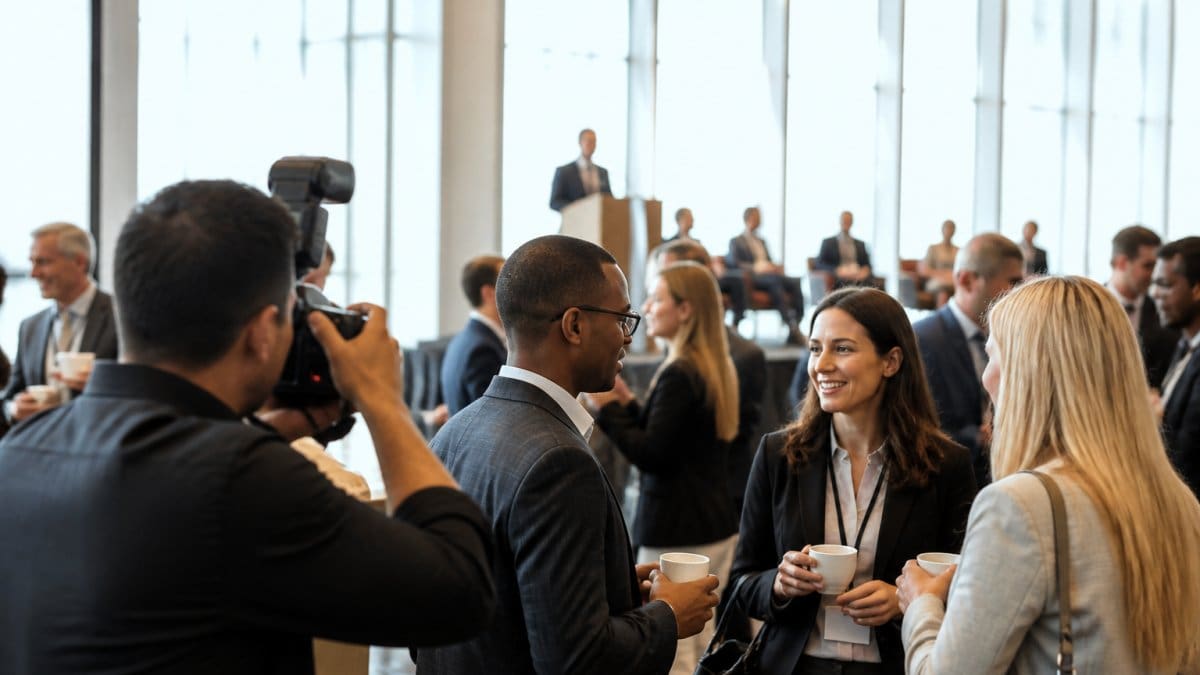
A shot list is your roadmap for the day, identifying must-have moments, key people, and scenes that matter to your organization. A strong one balances planned coverage with flexibility for candid moments.
Start with the obvious moments:
- Arrival and registration
- Opening remarks or welcome
- Keynote speakers and presentations
- Award presentations or recognition moments
- Group photos with sponsors or VIPs
- Networking and mingling
- Closing remarks
Then add the specific moments that matter to your organization:
- Your executive director greeting major donors
- A particular panel discussion or breakout session
- Signage or branding elements you want documented
- Specific attendees or board members in candid moments
- Details like the venue, decor, or table settings
A detailed shot list prevents the photographer from guessing what matters, and prevents post-event regret. Share it at least one week before the event so they can plan positioning and timing.
A shot list shouldn’t be rigid, though. The best moments happen unexpectedly, so your photographer needs room to capture genuine interactions and candid scenes a pre-planned list can’t anticipate.
Event Photography Turnaround Time and Delivery
Professional event photography turnaround typically ranges from five to fourteen business days, covering photo selection, color correction, editing, and final export.
Turnaround depends on scale and editing complexity: a 150-image event moves faster than a 600-image conference, and heavy exposure correction or color grading from mixed lighting adds time.
If you need images quickly for press releases, social media, or internal communications, discuss it before the event. Some photographers deliver a “quick gallery” of 20-30 edited highlights within 24-48 hours, with the full gallery following later.
At Event Photojournalism, we set delivery expectations upfront and provide clear timelines so you can plan your post-event content calendar.
Final delivery usually includes high-resolution images for print and digital use, organized by topic or time sequence, via cloud gallery access so you can download and share without managing large file transfers.
Factors That Change Your Photo Count
Several variables influence your final image count. Understanding them helps you set realistic expectations and optimize coverage, including the deliverables and usage questions most clients only think to ask after the event.
Venue lighting is the biggest factor. Even illumination means fewer discarded frames; a dim cocktail space or outdoor evening event forces more selectivity. A venue with strong ambient light and no harsh color casts can support 20-30% more delivered images than a dim room with mixed lighting.
Event schedule and pacing matter significantly. Back-to-back programmed moments keep the photographer in position and shooting; a loosely structured event with long open blocks means more waiting and a lower final count.
Guest count and venue layout affect coverage in ways duration alone can’t. A 50-person dinner generates fewer images than a 300-person gala with constant movement, but only if the photographer can reach people. A single-room reception with clear sightlines lets one photographer cover the crowd; a multi-floor venue or split stage/breakout space forces choices that lower the count.
Number of photographers directly impacts volume. Two photographers capture roughly 1.6-1.8 times as much as one, not double, because they overlap on key moments. One photographer must choose where to be, and missed moments are gone.
Photographer experience and style influence the count. A photojournalistic approach yields fewer but more meaningful candid images; a traditional, posed approach delivers higher volume. Neither is wrong, match the style to how you’ll use the images.
Post-event editing standards determine final delivery numbers. Rigorous culling removes duplicates and weak shots, lowering the count; looser standards inflate it with images that may not meet professional quality.
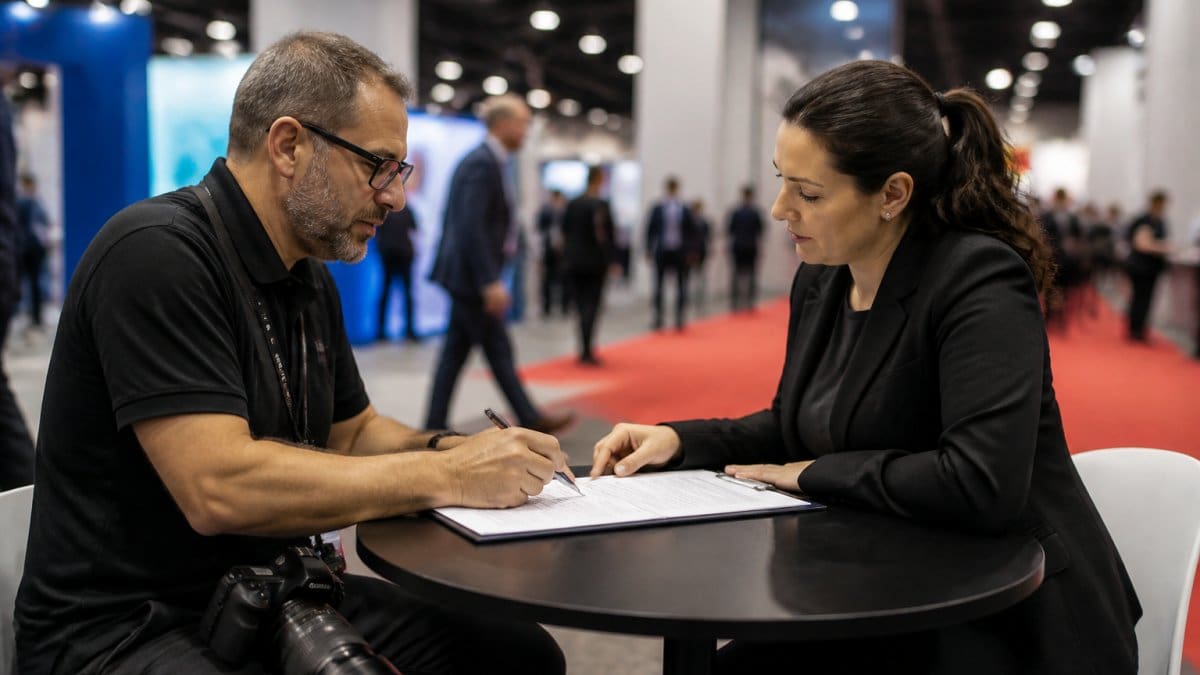
What counts as a delivered image, and what you can do with it. Most clients overlook this. A delivered image is typically a fully edited, color-corrected, high-resolution file; unedited RAW files, duplicates, alternate takes, and excluded images aren’t part of the count. Before signing, confirm in writing whether the count is a guaranteed minimum or estimate, whether you get print- or web-resolution files, and your usage rights. Most contracts grant broad internal and marketing use, but some limit use to a set period or exclude paid advertising.
Delivery timeline and gallery access. Full galleries typically take five to fourteen business days, with expedited highlights in 24-48 hours for a fee. Ask how long the gallery stays online, whether downloads are unlimited, and whether you can share a link. A gallery expiring in 30 days creates a scramble; one up for a year gives you room to plan.
When you compare photographer proposals, compare the edited deliverable count, the usage rights, and the delivery timeline, not just the headline number. A quote that promises 800 images but limits your usage rights or delivers unedited files is worth less than a quote that promises 250 fully edited images you can use anywhere.
Discuss these factors with your photographer when planning coverage. If you need maximum image volume, ensure you have multiple photographers, book sufficient time, and choose a venue with good lighting. If you prioritize quality over quantity, a single photographer with high editorial standards might be exactly what you need. Either way, get the deliverables, usage rights, and timeline in writing before the event, so the only surprise after the event is how good the images look.
Conclusion
How many photos to expect from a corporate event depends on duration, photographer coverage, venue conditions, and editing standards. A typical three-hour event with one photographer delivers 150 to 250 professional images. Full-day events with multiple photographers can exceed 500 delivered images. Environmental factors such as natural light and expansive scenery often influence these volume estimates when hosting corporate events outdoors.
The real measure isn’t just the count, it’s whether those images tell your event’s story and serve your organization’s goals. Event Photojournalism delivers award-winning coverage that captures the essence of your corporate conferences, galas, and special events with the professional, discreet approach your high-profile moments deserve. Our customized solutions ensure every important moment is remembered through stunning imagery that elevates your brand and amplifies your message. Learn more about professional event photography standards to understand what separates quality coverage from volume-focused approaches. Contact Event Photojournalism today to discuss your event’s specific coverage needs and get a customized proposal that matches your vision and timeline.
Frequently Asked Questions
How many photos should I expect from a corporate event?
For a standard 4-hour corporate event with one photographer, expect 250-400 edited, delivered images. A 3-hour event typically yields 200-300 photos. Multi-photographer coverage increases counts proportionally. The final number depends on editing standards, event type, and how many moments qualify as final deliverables rather than duplicates or technical rejects.
What’s the difference between photos taken and photos delivered?
Event photographers capture far more images than they deliver. A photographer might take 800-1200 shots during a 4-hour event, but only 250-400 make it to your final gallery after culling (removing duplicates, blinks, technical failures) and editing. Delivered photos are color-corrected, properly exposed, and meet professional quality standards for marketing and archival use.
How do event photography photos per hour affect my final count?
Professional event photographers typically deliver 50-100 edited photos per hour of coverage, depending on event pace and editing depth. A fast-moving conference with many speakers yields higher counts; a networking event with slower moments may deliver fewer. Single-photographer coverage captures one perspective; multiple photographers increase hourly delivery rates significantly.
How long does event photography turnaround time usually take?
Factors affecting timeline include total image count, editing depth, gallery setup, and any custom retouching or format requirements for marketing materials or press releases.