
Table of Contents
- What Casting Directors Want in Actor Headshot Photographer Work
- Commercial vs Theatrical Headshots: Which Do You Need?
- How to Prepare for Your Headshot Session
- Average Cost of Actor Headshots and What Affects Pricing
- Key Qualities to Look for in an Actor Headshot Photographer
- Posing, Expression, and Capturing Your Best Look
- Retouching, Delivery, and Usage Rights
- Conclusion
Last Updated: August 17, 2026
What Casting Directors Want in Actor Headshot Photographer Work
Casting directors spend seconds reviewing submissions. Your headshot needs to communicate who you are before they’ve finished their coffee. The difference between a headshot that books auditions and one that gets deleted comes down to authenticity: does it look like you, right now, in a room with a casting director?
This isn’t about being the most beautiful person in the room. It’s about being the most honest version of yourself. A professional actor headshot photographer understands this distinction. They know that casting professionals prioritize authenticity and personality in headshots over heavily retouched glamour shots. The best headshots capture what casting directors actually see when you walk in: your energy, your type, your presence.
The technical execution matters, but only as a foundation. Lighting that flatters your skin tone, a background that doesn’t distract, and sharp focus are table stakes. What separates a professional actor headshot photographer from someone with a camera is the ability to direct you into genuine moments, to know when you’re overthinking it and recognize that the best shot often comes after the "official" take, when you’ve relaxed.
Most actors think their headshot needs to show every side of their range. It doesn’t. It needs to show your primary type, the role you’d book most often. One great headshot beats five mediocre ones.
Commercial vs Theatrical Headshots: Which Do You Need?
These are two entirely different products designed for two entirely different casting processes.
Commercial Headshots Explained
Commercial headshots are warmer, more approachable, and slightly more polished than theatrical headshots. They’re designed for TV commercials, corporate videos, and brand partnerships, where casting directors want someone relatable and friendly. Your expression should feel open, your wardrobe contemporary and neutral, and the background typically a simple solid color or subtle gradient.
Think of a commercial headshot as your "everyday person" look. Casting directors reviewing commercial headshots are looking for someone they can imagine in their living room or workplace. The lighting is softer than theatrical headshots, and retouching tends to be more noticeable. Commercial headshots typically show you from the shoulders up with a clear, direct gaze at the camera.
Theatrical Headshots Explained
Theatrical headshots are more dramatic and character-focused, designed for agents, casting directors for film and television, and theater companies. The lighting is often more dramatic, the background more textured, and your expression can suggest emotion, intensity, or vulnerability. Retouching is typically minimal so you look like yourself, not an airbrushed version.
The difference matters because casting directors use these headshots to match you to roles. Submitting a commercial headshot for a dramatic television role signals you’re a commercial actor. Submitting a theatrical headshot for a car commercial signals you’re trained for character work. Both are strategic choices based on your strengths.
Most working actors maintain both a commercial and a theatrical headshot. Your commercial headshot is your “safe” option for approachable roles. Your theatrical headshot is your “range” option for roles that need depth and character.
How to Prepare for Your Headshot Session
The session itself is a collaboration between you and your photographer. Your preparation determines whether you walk in ready to deliver authentic moments or scrambling to figure out what to do with your face.
Wardrobe and Styling Choices
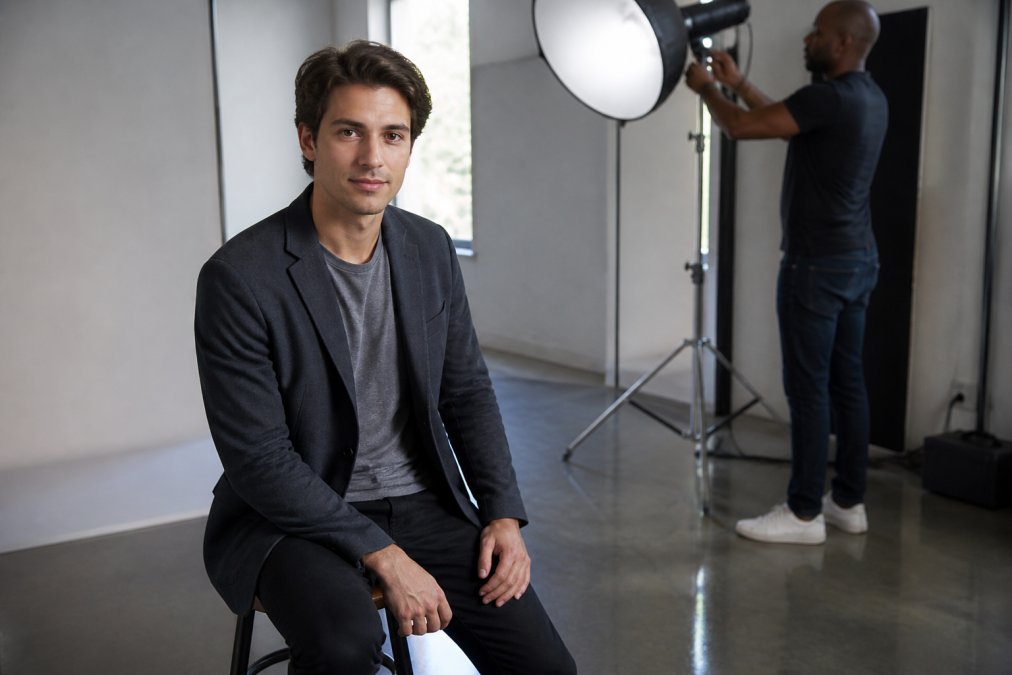
Wear something that feels like you, not your best outfit or something for a fancy event, but something authentic to who you are and the roles you’re booking. For commercial headshots, neutral colors work best: black, white, gray, navy, earth tones. For theatrical headshots, you have more flexibility, but simplicity still wins. You want the viewer’s attention on your face, not your shirt.
Avoid logos, busy patterns, and anything too trendy. Your headshot should be usable for two to three years. Bring a few options if uncertain. The neckline matters: v-necks elongate the face, crew necks are more conservative, and scoop necks can feel too casual for theatrical work. Jewelry should be minimal and non-distracting.
Hair, Makeup, and Grooming
Hair should be styled the way you typically wear it. If you usually wear your hair down, wear it down. The goal is recognition, when a casting director calls you in, you should look like your headshot.
Makeup for commercial headshots should be subtle and enhance your natural features. For theatrical headshots, you can be slightly more dramatic, but still look like yourself. Consider hiring a makeup artist for the session, especially if you’re not experienced with camera makeup.
Get a fresh haircut a few days before the session, not the day of. For men, decide whether you want to be clean-shaven or with facial hair. For women, consider whether you want to show your natural skin texture or a more polished look.
Mental Preparation and Mindset
The most important preparation happens in your head. Get good sleep the night before, eat something the morning of, and arrive early so you’re not rushed. During the session, trust your photographer. They’ve done this hundreds of times. Your job is to listen, follow direction, and stay present. When they ask you to think about something that makes you happy, actually think about it. The best headshots come from genuine moments, not posed expressions.
Avoid over-retouching your headshot. Heavy editing creates a disconnect between how you look in the photo and how you look in person. A light retouch that removes blemishes and evens skin tone is standard. Anything beyond that works against you.
Average Cost of Actor Headshots and What Affects Pricing
Pricing for professional headshots varies based on the photographer’s experience, location, and what’s included. A professional actor headshot photographer in a major market typically charges more than someone in a smaller city. An award-winning photographer charges more than someone starting out.
What affects pricing: the photographer’s experience level, whether retouching is included, how many looks or outfit changes, turnaround time, and whether you get all digital files or a limited selection. When evaluating cost, consider what’s included: How many outfit changes? How much retouching? How long is the session? Do you get all the digital files or a curated selection? A cheap headshot that doesn’t book auditions costs more than an expensive one that does.
For current pricing and customized packages, Event Photojournalism offers consultation on headshot services tailored to your specific needs. Pricing depends on the scope of your project, turnaround requirements, and delivery format. Contact Event Photojournalism directly for a quote that matches your budget and timeline.
Key Qualities to Look for in an Actor Headshot Photographer
Not all photographers understand actor headshots. A wedding photographer and an actor headshot photographer approach their work differently. You need someone who understands the entertainment industry and what casting directors actually want.
Industry Experience and Portfolio
Look at their portfolio. Do the headshots have personality? Do they look current? Can you imagine these people actually booking roles? A professional actor headshot photographer will have a strong portfolio of working actors and testimonials from performers who’ve booked roles using their headshots. Ask how long they’ve been shooting actor headshots specifically. Five years of wedding experience is not the same as five years of actor headshot experience.
Direction and Coaching Ability
The technical skills matter less than the ability to direct you. Can they make you feel comfortable? Can they give clear direction? Can they recognize when you’re in a genuine moment versus performing an expression? A good actor headshot photographer will ask questions about your type and the roles you’re booking. They’ll know how to coach you into authentic moments instead of just clicking the shutter and hoping for the best.
Technical Skills and Lighting Setup
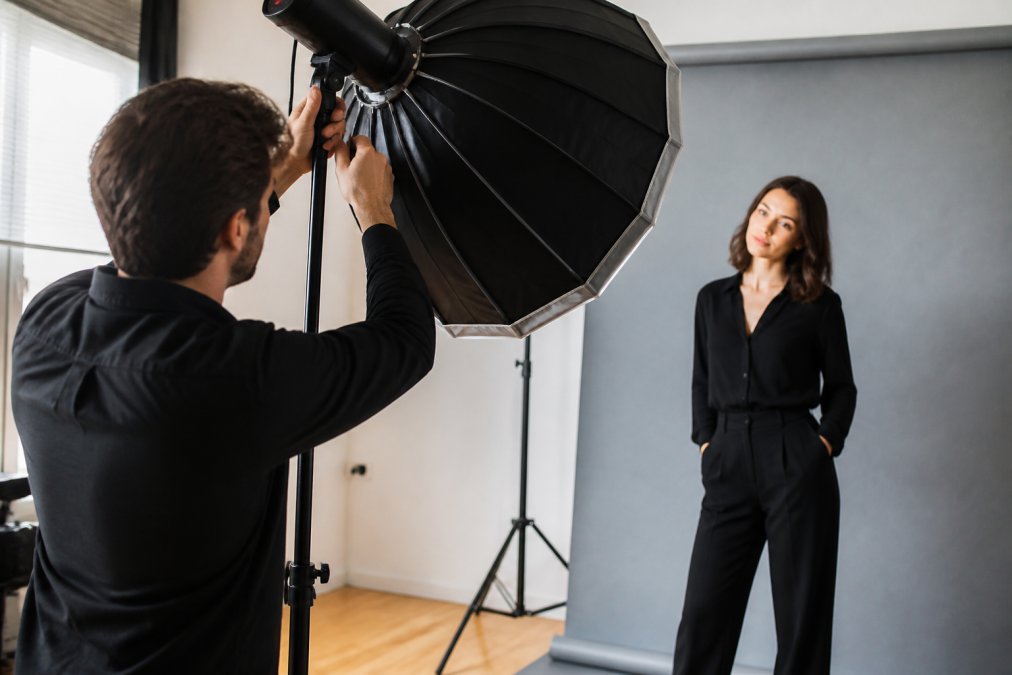
Lighting is everything in headshot photography. A professional actor headshot photographer will have a lighting setup designed specifically for headshots and understand how different lighting angles affect how you look on camera. Ask about their equipment and whether they have a dedicated studio or shoot on location. Both approaches can work, but the equipment should be professional-grade.
Posing, Expression, and Capturing Your Best Look
Your pose should look natural. Your shoulders should be slightly angled toward the camera, not squared directly at it. Your chin should be slightly forward, just a subtle tilt that defines the jawline. Your expression should match the type of headshot, warm and approachable for commercial, more nuanced for theatrical, but in both cases, genuine.
The photographer will direct you. Listen and follow direction. The best headshots often come from multiple takes, when you’re genuinely present instead of performing.
During your session, ask to see images on the back of the camera. This helps you understand what’s working and allows the photographer to adjust lighting or direction for better results.
Retouching, Delivery, and Usage Rights
Retouching should enhance, not transform. Professional retouching removes blemishes, evens skin tone, and sharpens focus. It doesn’t change your bone structure or make you look like a different person.
Ask about retouching before you book. Is it included in the price? Some photographers include basic retouching; others charge separately. You need high-resolution digital files in formats you can use for submissions and printing. You should receive files in both color and black-and-white. Ask about file formats, resolution, and whether you get all digital files or a curated selection.
Usage rights are critical. You should own the digital files and have the right to use them for any entertainment-related purpose. Make sure this is clear before you book. Confirm turnaround time upfront if you’re on a deadline.
Conclusion
Finding the right actor headshot photographer is one of the most important investments in your entertainment career. Your headshot is your first impression with casting directors. It determines whether they call you in for an audition or delete your submission. A professional actor headshot photographer understands this pressure and knows how to deliver images that actually book roles.
Event Photojournalism brings award-winning expertise and a professional, service-oriented approach to capturing your authentic presence. With customized solutions designed to elevate your brand and high-resolution image delivery, Event Photojournalism helps ensure your headshots stand out in casting rooms. [Learn more about professional photography services(/photography-services-complete-buyers-guide/photography-services-a-complete-buyers-guide-2026-1779222572-1/) | eventphotojournalism.com] and get started with a consultation.
Frequently Asked Questions
What should I look for when hiring an actor headshot photographer?
Look for a photographer with proven industry experience working with actors and casting directors. Review their portfolio to confirm they capture authentic expressions and understand your character type. Ask about their direction style, lighting approach, and whether they provide retouching. Verify they deliver high-resolution, print-ready files with clear usage rights. A strong actor headshot photographer should understand the difference between commercial and theatrical looks and coach you through the session.
How do I prepare for an actor headshot session?
Choose wardrobe that reflects your character type without logos or distracting patterns. Get professional hair and makeup or come camera-ready. Avoid heavy makeup that photographs poorly. Arrive well-rested and hydrated. Bring multiple outfit options if your package allows. Practice your expressions beforehand and arrive with a clear sense of your casting types. Discuss with your photographer any specific looks or character types you want to emphasize.
What is the difference between a commercial and theatrical headshot?
Theatrical headshots emphasize character range and emotional depth, often with dramatic lighting and more varied expressions. They're used for film, TV, and stage casting. Commercial headshots are approachable, friendly, and relatable, showing your everyday self for advertising and corporate work. Theatrical headshots typically feature darker backgrounds and bolder looks; commercial headshots use lighter, neutral backgrounds. Many actors need both types to compete for different roles.
How much does a professional actor headshot session cost?
Actor headshot pricing varies widely based on photographer experience, location, and what's included. Entry-level sessions start around $250-$350 and typically include one outfit and one retouched image. Mid-range packages run $400-$700 with multiple looks and retouched images. High-end photographers charge $800 and up. Additional costs often apply for retouching, rush delivery, and extra outfit changes. Contact photographers directly for current pricing and package details.
This article was written using GrandRanker