Table of Contents
- Historic Architecture and Urban Settings for Corporate Outdoor Photography
- Manicured Gardens and Botanical Settings
- Open Fields and Scenic Overlooks for Large Group Portraits
- Professional Photography Permit Requirements and Regulations
- Corporate Headshot Photography Tips for Professional Results
- How to Prepare for a Corporate Photoshoot at Outdoor Locations
- Private Venues and Weather-Proof Alternatives
- Frequently Asked Questions
Last Updated: September 19, 2026
Historic Architecture and Urban Settings for Corporate Outdoor Photography
Professional corporate photography thrives in environments with distinctive visual character. Historic architecture and urban settings provide exactly that, built-in visual interest that elevates your corporate brand without requiring extensive equipment or artificial enhancements.
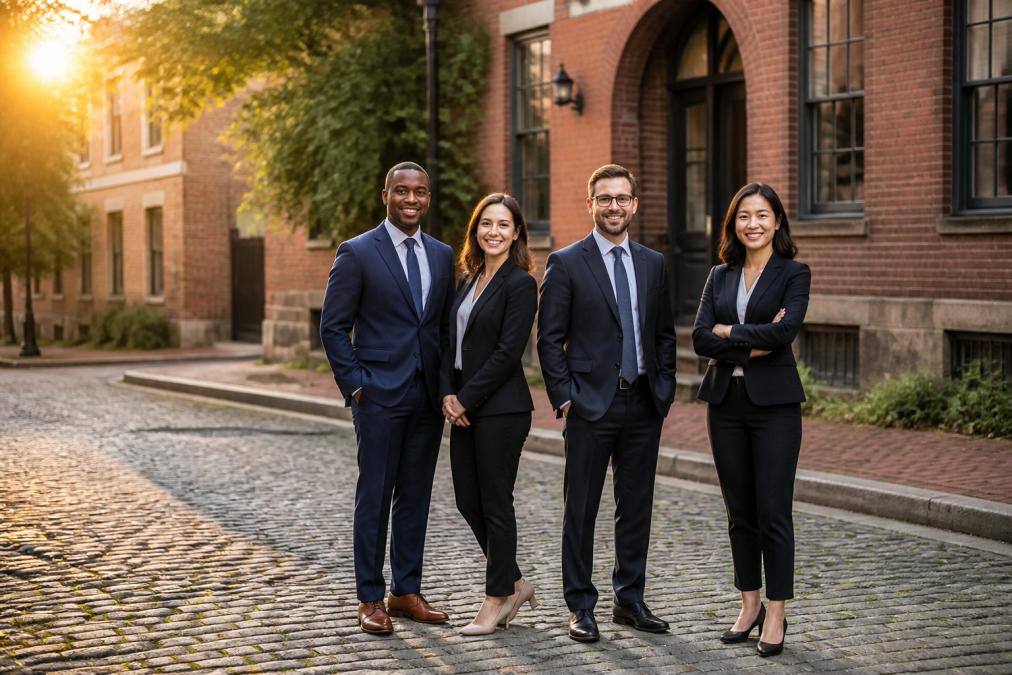
Old Town Alexandria stands out as a premier destination for corporate outdoor photography in this region. The 18th and 19th-century brick buildings, cobblestone streets, and Potomac River waterfront create natural backdrops that read as polished and professional. Unlike generic office parks, these settings communicate heritage, stability, and sophistication to your audience. The high foot traffic during business hours can complicate setup, but early morning shoots or weekday sessions minimize interference.
Colvin Run Mill in Great Falls offers a distinctly different aesthetic, rustic industrial character with authentic 19th-century watermill architecture. This location works exceptionally well for brands seeking to communicate authenticity, craftsmanship, or heritage narratives. The waterfront elements from the mill race add dimension to portraits and group shots. Space constraints mean this works better for smaller teams or executive portraits rather than large-scale gatherings. A commercial permit is required, and advance planning ensures you secure the location for your specific shoot dates.
Both locations require understanding local regulations. Old Town Alexandria allows casual photography in public spaces without permits, but commercial equipment or large crews may trigger restrictions. Colvin Run Mill requires advance contact to arrange commercial photography permits. Event Photojournalism manages these administrative requirements for clients, ensuring permits are secured before your shoot date and all regulatory requirements are satisfied.
Arrive at historic locations 30-45 minutes before your target shoot time. This gives your team space to scout positions, test lighting angles, and identify the strongest visual compositions before your talent arrives. Historic settings photograph differently depending on time of day, morning light tends to be softer, while afternoon light creates sharper shadows that can add drama to executive portraits.
Manicured Gardens and Botanical Settings
Garden environments offer controlled visual beauty that photographs exceptionally well. Unlike natural landscapes, manicured gardens provide consistent, professional-looking backdrops with minimal environmental variables. These settings work particularly well for corporate branding sessions where visual polish matters as much as authenticity.
Meadowlark Botanical Gardens in Vienna spans 95 acres with diverse plant collections, seasonal floral displays, and scenic ponds. The Korean Bell Garden and walking trails provide varied composition options within a single location. The grounds are meticulously maintained, ensuring consistent visual quality across your shoot. A professional photography permit is required for commercial sessions, this is non-negotiable and protects both the venue and your legal standing. The permit process typically involves advance application and coordination with the gardens’ management team.
Green Spring Gardens in Alexandria combines formal garden settings with historic manor house architecture. The greenhouse structures and professionally maintained grounds create sophisticated backdrops for corporate headshots and team portraits. The quiet, secluded areas within the larger park allow for focused sessions without public interference. Like Meadowlark, Green Spring requires commercial permits for professional photography. The formal garden aesthetic works best for conservative corporate branding, financial services, law firms, and established nonprofits find this setting particularly effective.
Oatlands Historic House and Gardens in Leesburg represents the premium end of the spectrum. This National Trust for Historic Preservation site features high-end estate architecture and extensively maintained formal gardens. The prestigious setting communicates luxury and established credibility, ideal for executive portraiture or high-end corporate branding. The controlled environment and private grounds available for commercial use mean your team operates without public foot traffic or environmental unpredictability. Permit requirements are more rigorous than public parks, reflecting the venue’s premium status and exclusive access model.
Garden venues require advance permit planning, typically 2-4 weeks lead time. Budget this into your project timeline. The investment in permits pays dividends through guaranteed access, controlled lighting conditions, and professional-grade backdrops that require minimal post-processing.
Open Fields and Scenic Overlooks for Large Group Portraits
Large corporate teams need expansive space and varied composition options. Open fields and scenic overlooks provide the scale necessary for group photography while offering natural visual interest that keeps images from feeling flat or monotonous.
Claude Moore Park in Sterling offers 523 acres of mixed terrain, open fields, historic structures, and wooded areas. The expansive open spaces accommodate large team gatherings without crowding, while varied topography creates natural depth in group compositions. Historic buildings on the property provide secondary backdrop options. Ample parking supports large crews and equipment transport. Weekend peak hours can bring crowds, but weekday shoots or early morning sessions minimize public interference. The park operates as public space, eliminating permit fees for casual photography.
Manassas National Battlefield Park provides dramatic, cinematic landscapes across rolling hills and expansive fields. The scale of the landscape works exceptionally well for corporate storytelling, team portraits feel heroic rather than cramped. Stone bridges and natural features add compositional interest without requiring artificial elements. The park’s historical significance communicates gravitas and permanence. However, reaching prime photo locations requires substantial walking, which can challenge team members with mobility limitations or those wearing formal corporate attire.
Lake Audubon in Reston offers waterfront views with calm water reflections and wooded walking paths. The serene atmosphere suits corporate wellness branding or community-focused narratives. Sunset lighting conditions at waterfront locations create particularly compelling environmental portraits. Limited parking near prime photo spots requires advance planning for larger teams. The public access model means no permits, but arriving early secures optimal positioning before recreational users arrive.
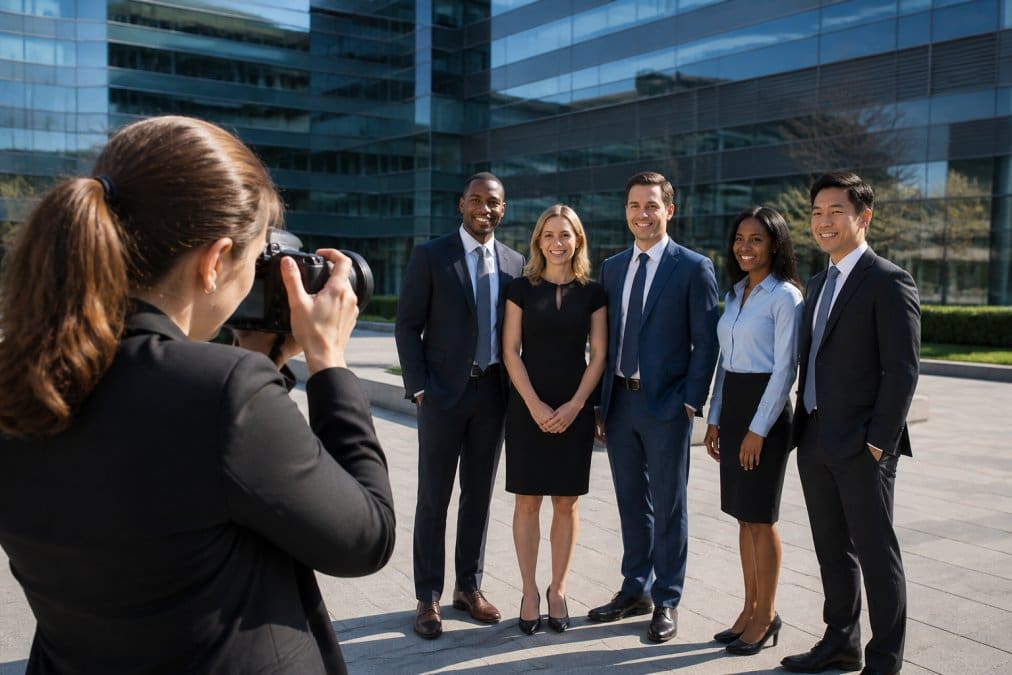
Open fields expose your team to weather variability, wind, sudden cloud cover, and temperature shifts. Plan contingency timing for your shoot. Have backup indoor locations identified, particularly for spring and fall shoots when weather patterns shift rapidly. Inform your team about realistic shoot duration and dress appropriately for outdoor conditions.
::: Consistent lighting remains the primary challenge when scouting scenic outdoor locations, especially when timing the final golden hour shots across the New York Harbor.
Professional Photography Permit Requirements and Regulations
Understanding permit requirements prevents costly delays and legal complications. Different venues operate under different regulatory frameworks, and commercial photography typically requires formal authorization.
Public parks managed by county or regional authorities generally allow casual photography without permits. Commercial photography, defined as photography conducted for business purposes, marketing, or revenue generation, requires advance permits. This distinction matters because it determines whether your shoot proceeds as planned or gets interrupted by park staff.
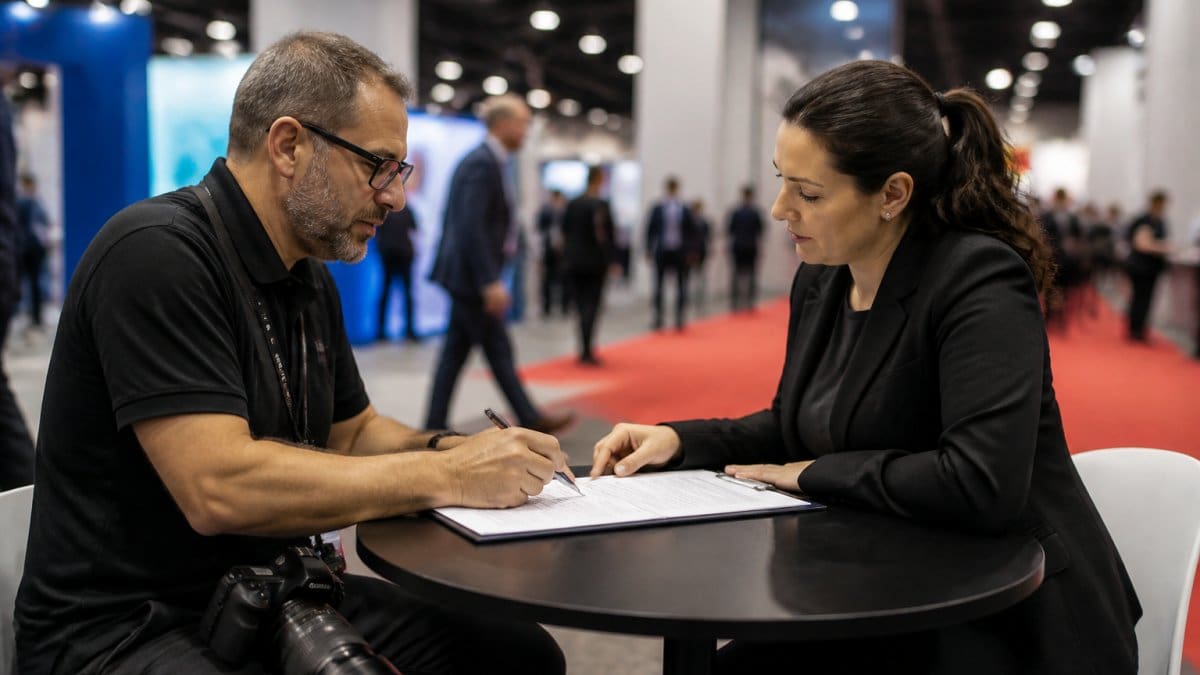
The permit application process typically involves submitting a request 2-4 weeks in advance, providing details about your shoot scope, equipment, crew size, and specific location within the venue. Some venues require proof of liability insurance. Processing fees vary by venue and location. Event Photojournalism manages these administrative requirements for clients, ensuring permits are secured before your shoot date and all regulatory requirements are satisfied.
National Park Service sites like Manassas National Battlefield Park have their own permit requirements. Commercial photography on federal land requires advance authorization through the NPS permitting system. The process is more formal than county parks but remains straightforward with proper advance planning.
Private venues like Oatlands and Peerspace rental properties have their own approval processes.
Organizations planning corporate shoots more than once annually benefit from understanding permit requirements upfront. Building relationships with venue contacts simplifies future bookings and ensures your team’s photography needs are consistently accommodated.
Corporate Headshot Photography Tips for Professional Results
Corporate headshots demand precision and consistency. Environmental portraiture differs fundamentally from group photography, the focus narrows to individual presence and professional appearance.
How to Prepare for a Corporate Photoshoot at Outdoor Locations
Preparation determines whether your shoot runs efficiently or encounters preventable complications. Outdoor environments introduce variables that indoor studios eliminate.
| Preparation Element | Timeline | Responsibility |
|---|---|---|
| Location scouting | 2-3 weeks prior | Photographer and coordinator |
| Permit applications | 3-4 weeks prior | Venue contact or photographer |
| Team briefing | 1 week prior | Event coordinator |
| Weather monitoring | 3-5 days prior | Photographer and coordinator |
| Transportation planning | 1 week prior | Event coordinator |
| Equipment staging | 1-2 days prior | Photographer |
Private Venues and Weather-Proof Alternatives
Weather unpredictability and public interference sometimes make outdoor locations impractical. Private venues and covered alternatives provide controlled environments while maintaining professional aesthetic appeal.
Frequently Asked Questions
Do I need a permit for professional corporate outdoor photography in public parks?
Yes, most public parks and botanical gardens require a commercial photography permit for professional shoots. Meadowlark Botanical Gardens, Green Spring Gardens, and Oatlands Historic House all require advance permit applications and fees. Public spaces like Old Town Alexandria and Manassas National Battlefield Park allow casual photography without permits, but commercial equipment setup may still require approval. Contact your chosen location directly to confirm current permit requirements and associated costs before scheduling your shoot.
What are the best times of day for outdoor corporate headshot photography?
Golden hour, the first hour after sunrise or the last hour before sunset, provides the softest, most flattering natural light for corporate headshots. This timing creates warm tones and reduces harsh shadows on faces. Overcast days also work well, diffusing light evenly across subjects. Avoid midday shooting when the sun is directly overhead, as this creates unflattering shadows under eyes and chin. Early morning shoots also minimize foot traffic at public locations, giving you better control over your composition and background aesthetics.
What should I look for when choosing an outdoor location for corporate portraits?
Prioritize locations with professional background aesthetics, adequate parking for your crew, and ADA accessibility for all participants. Consider natural light conditions, seasonal foliage, and whether the environment aligns with your corporate brand identity. Historic architecture works well for traditional corporate branding, while botanical gardens suit wellness-focused messaging. Evaluate foot traffic patterns, available shade, and proximity to amenities. Verify permit requirements and any restrictions on commercial equipment or crew size before committing to a location.
How do I prepare my team for an outdoor corporate photoshoot?
Brief participants on the shoot location, timing, and expected duration beforehand. Coordinate clothing choices that align with your brand and photograph well in natural light, solid colors and professional attire work best. Arrive early to scout the location, assess lighting conditions, and position your team strategically. Prepare photography release forms in advance for all participants. Have a backup plan for weather, and brief your team on positioning and composition expectations to ensure everyone understands the vision.