DC Conference Venue Comparison | Convention Center Hotels Museums & Unique Sites
A practical comparison of Washington DC conference venues—from the Convention Center and Marriott Marquis to museums, historic houses, and Navy Yard sites—and how to choose by size, agenda, and flow.
DC Conference Venue Comparison
Washington has no single “best” conference venue. It has venues that fit different agendas. A three-day association meeting with 40 breakouts does not belong at Meridian House. A 120-person policy forum does not need the Marquis Ballroom. Use this comparison to match the program to the room.
1. Convention-scale
Walter E. Washington Convention Center
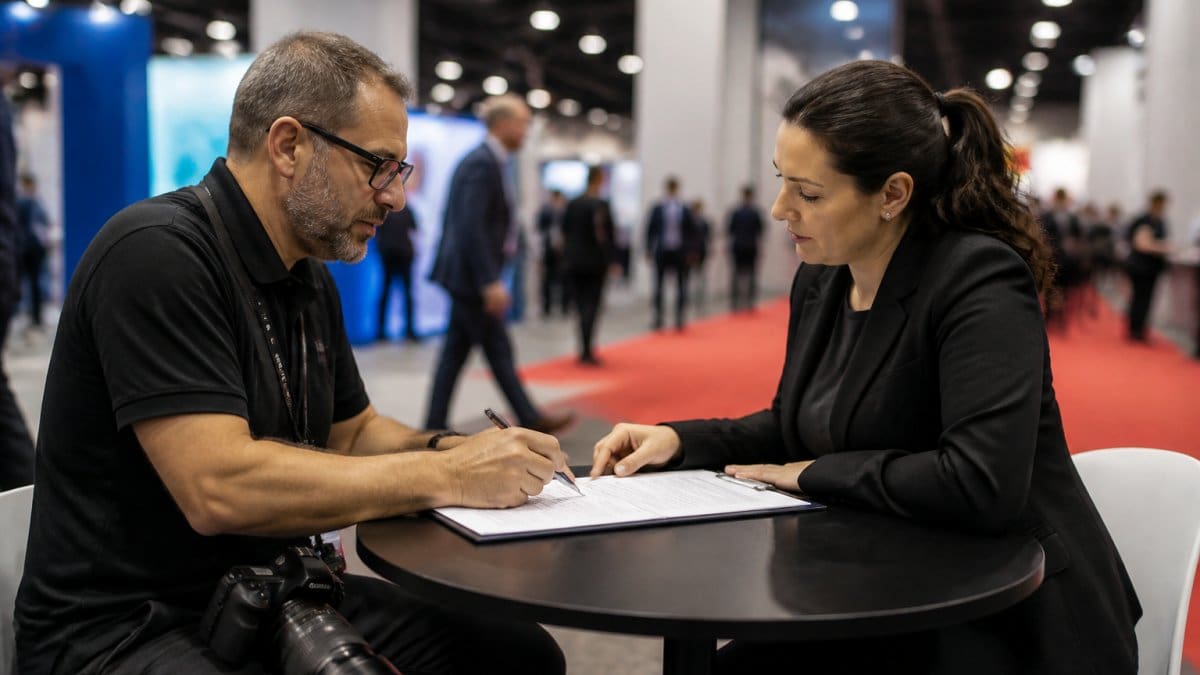
Best for large associations, expos, and multi-track meetings. You get exhibit halls, ballrooms, and dozens of breakouts. You also get walking time, union production rules, and a campus that swallows a single photographer. Book this when attendance and concurrent sessions require it.
Marriott Marquis Washington, DC
The connected hotel. More than 100,000 square feet, the Marquis Ballroom, and 50-plus breakouts. Best when the meeting needs hotel rooms, ballroom plenaries, and Convention Center overflow on the same block.
Choose these when: multi-day, multi-track, exhibit hall, or 1,000-plus attendees.
2. Full-service conference hotels
Omni Shoreham
A large campus hotel with ballrooms and grounds. Strong for associations that want one property for sleeping rooms, plenaries, and an evening event.
The Mayflower Hotel
Historic downtown hotel. Better for mid-size meetings that want character and a central location rather than raw capacity.
Conrad Washington DC
Luxury CityCenter hotel. Meeting space sits above the street with windowed ballrooms and a rooftop terrace. Best for refined corporate and association programs, not expo floors.
The Hotel at the University of Maryland
College Park alternative. Useful for university-related programs and regional meetings that do not need downtown DC rates. Calvert Ballroom plus breakouts cover a full conference day.
Choose these when: attendees stay on site, the agenda is one or two tracks, and you want catering and AV in-house.
3. Landmark rooms for plenaries and evenings
Andrew W. Mellon Auditorium
A Federal Triangle landmark for keynotes, galas, and high-visibility programs. Capacity is large. Breakouts are not. Pair it with a nearby hotel if the day needs sessions.
Library of Congress
Great Hall and Madison Building rooms for formal evening programs. House rules are strict. This is a destination session or gala, not a three-day conference.
Choose these when: one flagship program matters more than classroom space.
4. Museums and cultural campuses
Smithsonian museums
Kogod Courtyard, museum atriums, and halls give a gala or reception a setting hotels cannot copy. Conference use is usually an opening night or off-site, not a full breakout grid.
International Spy Museum
Ballroom and rooftop terrace at L’Enfant Plaza. Strong for an evening reception attached to a downtown meeting. Weather is a factor on the roof.
National Museum of Women in the Arts
Great Hall and galleries for dinners and compact programs. Museum rules come first.
The REACH at the Kennedy Center
Studios and pavilions for workshops, off-sites, and riverside receptions. Best for one-campus creative or professional programs of a few hundred, not a convention.
Choose these when: the setting is part of the invitation and the agenda can live in one or two rooms.
5. Blank-canvas downtown rooms
The Showroom DC
Industrial 14th Street room near the Convention Center. High ceilings, production power, standing capacity up to about 800. Best when you are building the environment.
THE SPACE DC
Two-story Chinatown canvas near Gallery Place. Good for off-sites, activations, and meetings of about 200.
Long View Gallery
Shaw art-and-warehouse space across from the Convention Center. Flexible for presentations and receptions; working-gallery rules apply.
Choose these when: you want a designed room, daylight, and control over layout.
6. Waterfront and Navy Yard
The Wharf hotels and piers
Pendry, InterContinental, Hyatt House, Dockmaster Building, District Pier. Best for receptions and compact meetings with water views. Plan indoor backups.
HQO Events
DC Water headquarters on the Anacostia, across from Nationals Park. Atrium, boardroom, patio, rooftop. Strong for off-sites and evening receptions.
Nationals Park
Clubs, conference center, and field-adjacent spaces on non-game days. Memorable, but access follows the baseball calendar.
Choose these when: attendees will remember the view, and the agenda can tolerate weather or stadium logistics.
7. Historic houses and diplomatic rooms
Meridian International Center
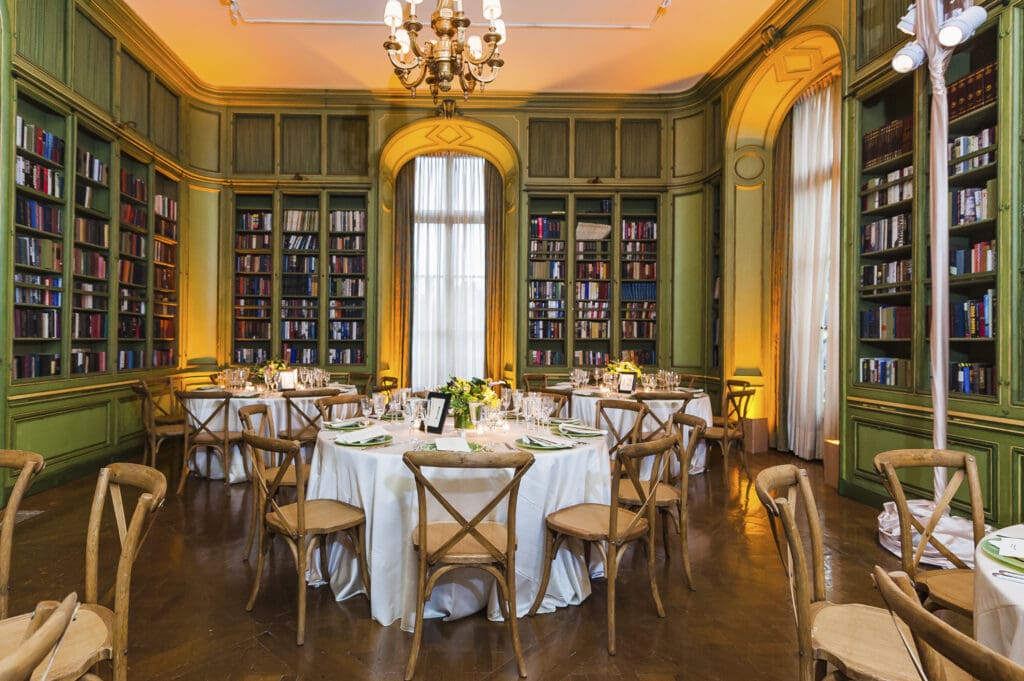
Meridian House and White-Meyer House. Forums, briefings, and receptions for roughly 150 seated. Best for diplomacy and leadership programs that should feel like a house, not a hotel.
Rosewood Washington, D.C.
Georgetown luxury rooms and a rooftop. Intimate dinners and small meetings, not multi-breakout conferences.
Choose these when: guest count is controlled and discretion matters.
Quick comparison
| Need | Better fit |
|---|---|
| 2,000 attendees, 20 breakouts | Convention Center + Marquis |
| 400 attendees, hotel stay | Omni Shoreham, Mayflower, Conrad, Hotel UMD |
| One landmark keynote | Mellon Auditorium |
| Opening gala with a cultural setting | Smithsonian, Spy Museum, NMWA, The REACH |
| Designed off-site near the Convention Center | Showroom, THE SPACE, Long View Gallery |
| Waterfront reception | The Wharf, HQO, Nationals Park |
| Diplomatic briefing or salon | Meridian International Center |
How to Decide
- Count concurrent sessions, not just headcount.
- Decide whether sleeping rooms must be in the same building.
- Be honest about weather if any part of the program is outdoors.
- Check house rules before promising flash, drones, or late load-out.
- Map walking time. DC venues that look close on a map are not always close with security lines.
Photography implication, briefly
One photographer covers a single-track meeting. Two or more are required when plenary, breakouts, and a reception run at once—especially at the Convention Center, Marquis, Omni Shoreham, or a museum-plus-hotel night.
If you already have the venue and need coverage, send the date, room list, and delivery deadline.
Event Photojournalism
703-362-5996
eventphotojournalism.com
Washington, DC: 1133 14th Street NW, Washington, DC 20005
Virginia: 9204 Treasure Oak Court, Lorton, VA 22079