DC Venue Photojournalism Tips | Capturing Events in Washington’s Iconic Spaces
Practical DC venue photojournalism tips for photographing events in Washington’s hotels, museums, Capitol Hill spaces, and historic locations. Learn how experienced photojournalists navigate lighting, security, crowds, and protocol while capturing authentic moments.
DC Venue Photojournalism Tips: Working Effectively in Washington’s Most Iconic Spaces
Washington, DC offers some of the most distinctive event venues in the country—historic hotels, museums, Capitol Hill buildings, embassies, and modern conference spaces. Each location presents unique opportunities and challenges for photojournalists. Success depends less on technical perfection and more on preparation, awareness, and the ability to anticipate moments without disrupting the event.
Here are practical DC venue photojournalism tips drawn from decades of covering conferences, galas, political gatherings, advocacy events, and celebrations across the District.
1. Research the Venue Before You Arrive
Every DC venue has its own rules, flow, and constraints.
- Review floor plans, lighting conditions, and restricted areas in advance when possible.
- Note security protocols, especially in congressional buildings, museums, and federal spaces.
- Identify natural gathering points (entrances, bars, stage areas, staircases) where candid interactions are likely.
- Confirm whether tripods, flash, or additional lighting are restricted.
Preparation reduces the need to scramble once the event begins and allows you to move with purpose.
2. Prioritize Unobtrusive Movement
Photojournalism in DC venues succeeds when the photographer becomes part of the background.
- Wear dark, professional clothing that blends with the environment.
- Move deliberately rather than constantly circling the room.
- Use longer lenses when appropriate to capture interactions from a respectful distance.
- Avoid blocking sightlines, doorways, or the path of speakers and principals.
The goal is to document the event as it naturally unfolds, not to become part of the experience for guests.
3. Master Challenging and Mixed Lighting
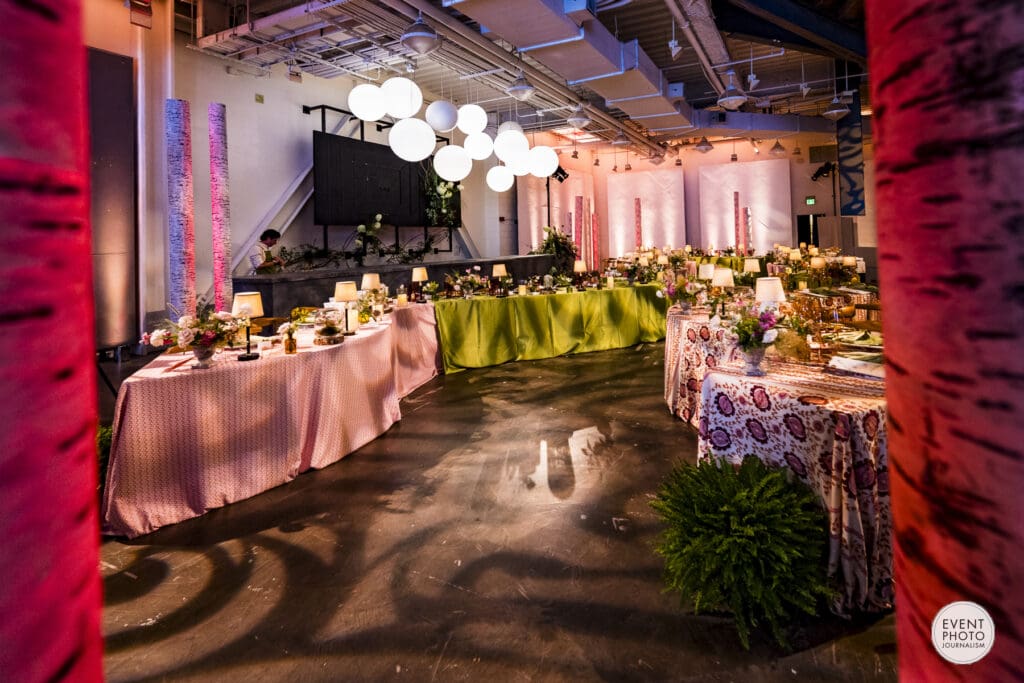
DC venues range from grand historic interiors with dramatic but uneven light to modern ballrooms with mixed color temperatures.
- Expose for the most important subject (usually faces) rather than chasing perfect overall exposure.
- Be prepared for rapid shifts between stage lighting, ambient room light, and window light.
- Use available light whenever possible to maintain a natural look and avoid drawing attention.
- When flash is necessary and permitted, keep it subtle and bounced.
Understanding how light behaves in each space is often more valuable than any single camera setting.
4. Anticipate Key Moments Without Staging Them
Strong event photojournalism relies on anticipation.
- Arrive early to observe the room’s energy and identify natural interaction zones.
- Watch body language and conversational clusters—these often produce the most telling images.
- Position yourself for arrivals, transitions between program segments, and post-speech reactions.
- Remain ready during quieter periods; some of the most meaningful moments happen between official program elements.
In political, advocacy, and corporate settings, the unscripted interactions frequently carry more storytelling weight than formal presentations.
5. Respect Protocol and Security
Many DC venues—especially those on or near Capitol Hill, in museums, or within federal buildings—operate under strict guidelines.
- Follow all security and credentialing requirements without exception.
- Never enter restricted areas or attempt to photograph where prohibited.
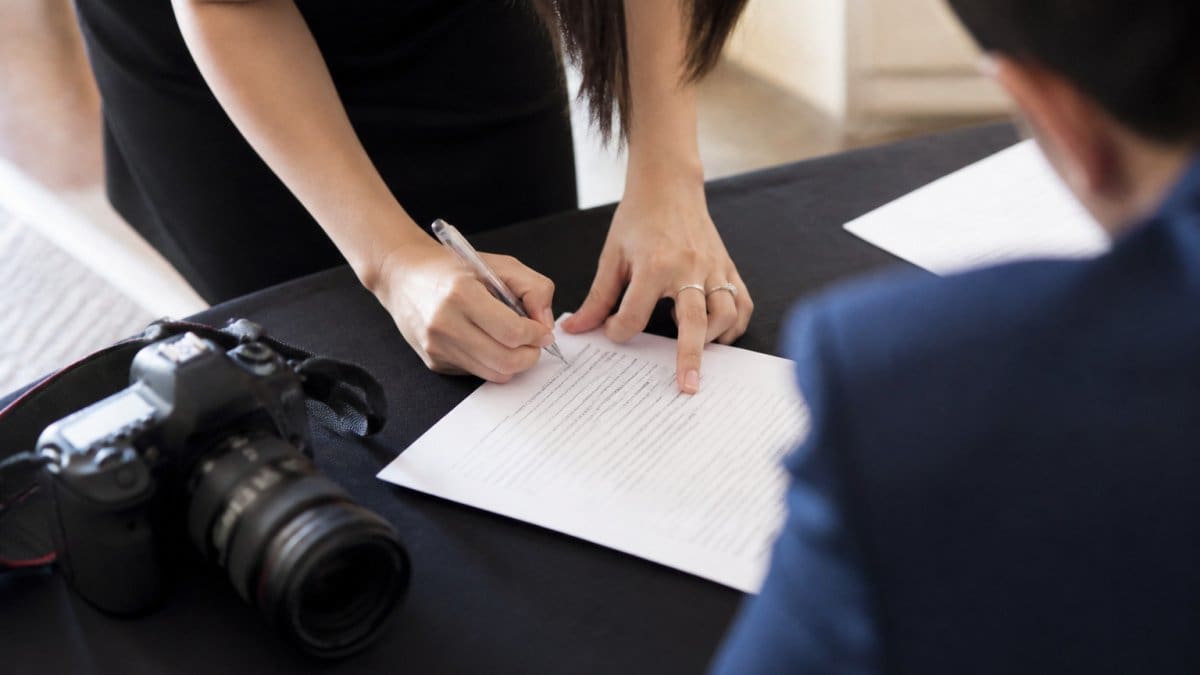
- Coordinate with event organizers or venue staff when working near stages, VIP sections, or sensitive areas.
- Maintain a professional demeanor at all times; reputation travels quickly in this market.
Discretion and reliability are as important as technical skill.
6. Balance Candid Coverage with Required Formal Images
Most clients still need a selection of formal group or leadership photographs.
- Schedule or identify a brief window for these images so they do not interrupt the flow of the evening.
- Keep formal groupings efficient and minimal.
- Return quickly to candid coverage once the required shots are complete.
This balance delivers both the authentic storytelling images and the practical assets organizations need.
7. Deliver with Speed and Clarity
In the DC market, turnaround expectations are often high—especially for political, advocacy, and corporate events.
- Build efficient workflows for culling and basic editing.
- Provide same-day or next-day selects when the client needs material for immediate social or press use.
- Organize galleries clearly so clients can quickly find the images that matter most.
Reliable, timely delivery is a competitive advantage.
Putting It Into Practice
Effective DC venue photojournalism combines technical competence with situational awareness. The best images from Washington events feel inevitable rather than forced—moments that would have happened whether a camera was present or not.
Whether you are covering a holiday celebration in a historic hotel, an advocacy reception on Capitol Hill, a corporate conference, or a gala in a museum, the same principles apply: prepare thoroughly, move with intention, respect the environment, and stay focused on the real interactions that define the event.
Event Photojournalism has spent decades refining these approaches across Washington DC’s most demanding venues. If you are planning an event and want experienced, discreet coverage, we are available to discuss your needs.
I