Table of Contents
- Understanding Event Photography Turnaround Time Expectations
- Standard Turnaround Times by Event Type
- Why Photo Editing and Average Photo Editing Turnaround Time Matter
- Factors That Impact Your Event Photography Delivery Schedule
- Event Photography Contract Delivery Clauses You Should Know
- How to Ask a Photographer for Photos and Manage Expectations
- Same-Day Delivery vs. Traditional Timelines
- The Business Case for Fast Delivery
Last Updated: August 22, 2026
Understanding Event Photography Turnaround Time Expectations
Event photography turnaround time expectations have shifted dramatically. The traditional 4-8 week standard for wedding galleries is no longer realistic. According to Kamero Biz Lab’s 2026 consumer behavior analysis, 81% of event attendees now expect same-day photo delivery. This has become a baseline expectation rather than a luxury.
The gap between client expectations and traditional delivery timelines creates friction. When galleries arrive weeks later, emotional momentum fades and social media engagement drops by 80% after the first two hours, according to event industry research from 2025. This guide covers what event photography turnaround time actually looks like across different event types, why editing takes time, and how to set realistic expectations that keep both you and your photographer aligned.
Standard Turnaround Times by Event Type
Event photography turnaround time varies significantly based on event type, photo volume, and editing scope.
Corporate Conferences and Product Launches
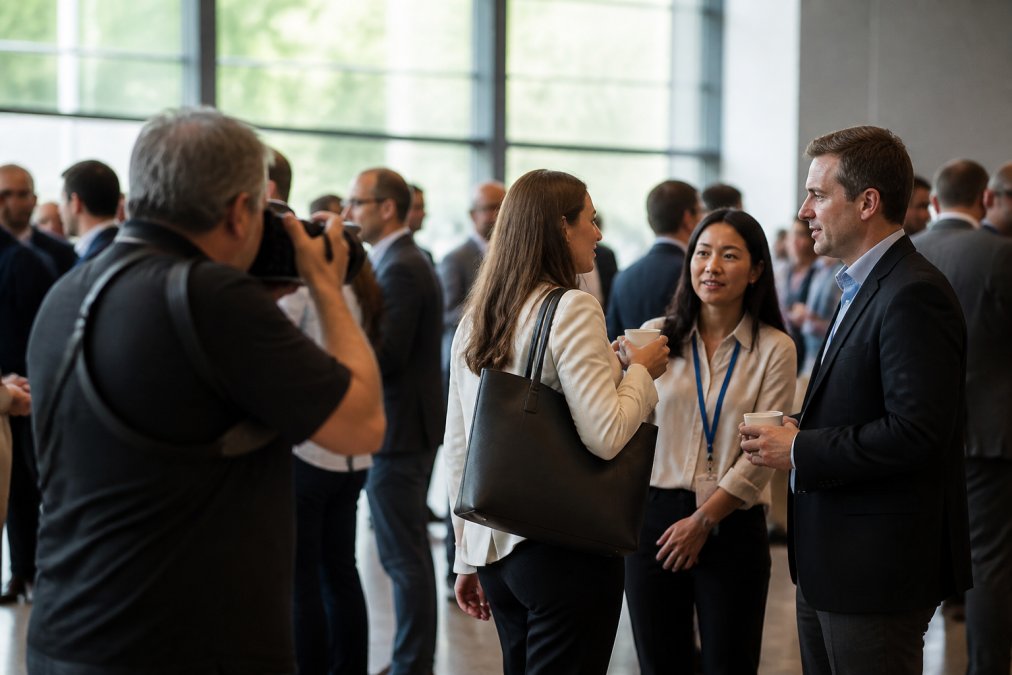
Corporate events typically follow tighter timelines than weddings. For a one-day conference, most photographers deliver a curated sneak peek within 24 hours and a full edited gallery within 5-7 business days. This accelerated schedule reflects the business need to repurpose content for press releases and LinkedIn announcements.
Larger multi-day conferences require longer timelines. A three-day conference with 1,200+ photos typically needs 2-3 weeks for complete editing. However, best practice now includes delivering highlights the day after the event concludes, allowing your communications team to start amplifying impact immediately.
According to Eventifai’s 2026 photography standards guide, photographer agreements typically specify realistic timelines based on photo volume: 1-2 weeks for 250-400 photos, 2-3 weeks for 500-800 photos, and 3-4 weeks for 900-1,200+ photos from a standard 4-hour event.
Galas, Fundraising Events, and Donor Relations
Gala photography presents unique timing pressures. Donors and board members want to see themselves in professional photos quickly for personal satisfaction and stewardship materials. A typical gala with 300-500 photos should be fully edited and delivered within 10-14 days.
Many photographers now offer tiered delivery: a "best of" selection within 48 hours, followed by the complete gallery within two weeks. Galleries delivered within 14 days see a 25% higher conversion rate in print sales compared to those delivered after a month, according to the Pic-Time Industry Report from 2026.
Weddings and Milestone Celebrations
Wedding photography timelines have evolved. The old 6-8 week standard is increasingly outdated. Modern couples expect a full gallery within 2-4 weeks, with many preferring 10-14 days.
Some photographers now offer same-day or next-day previews of 30-50 best shots, followed by the complete gallery two weeks later. A typical wedding with 8-10 hours of coverage generates 2,000-3,000 raw images, requiring 40-60 hours of post-production work even with efficient workflows.
Why Photo Editing and Average Photo Editing Turnaround Time Matter
The editing process consumes most of the time. Understanding each phase explains why turnaround times are what they are.
The Culling and Selection Process
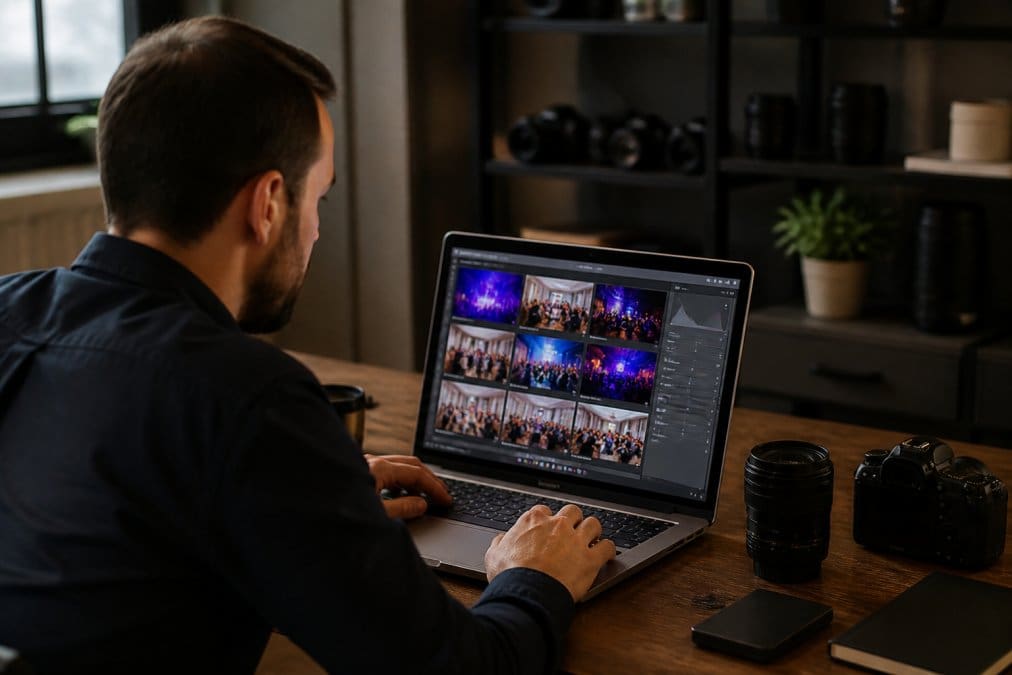
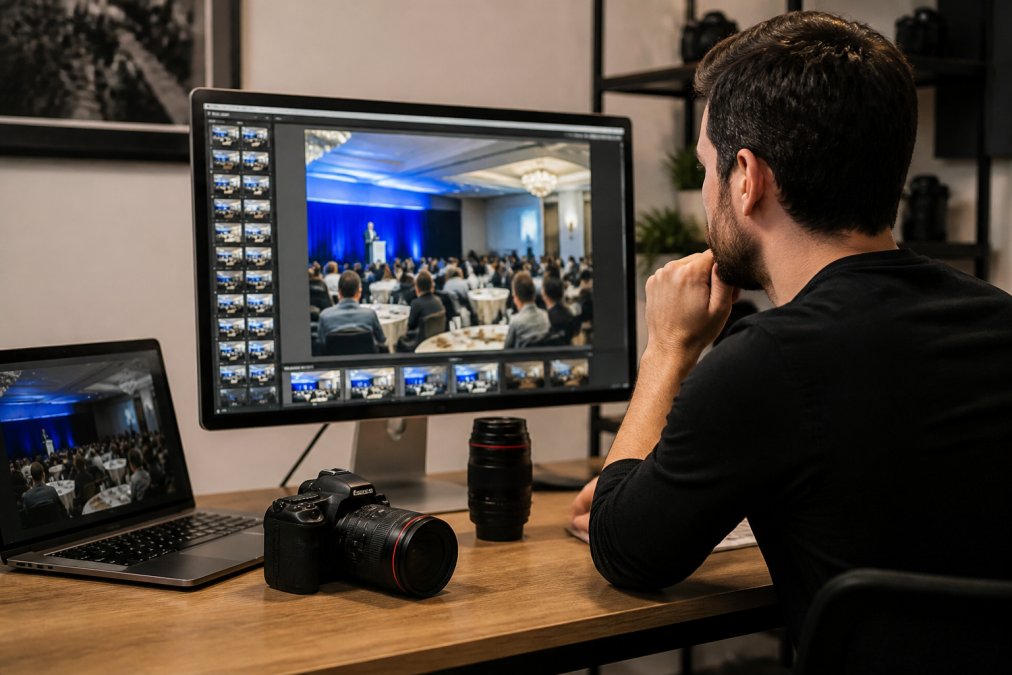
Culling is the first step: reviewing every image and selecting keepers. For a 4-hour corporate event with 800-1,200 raw images, perhaps 300-400 make the cut. A photographer culling at a reasonable pace reviews roughly 100-150 images per hour, meaning a typical event’s culling phase takes 5-8 hours alone.
Careful culling creates a tighter, more impactful collection rather than a bloated gallery full of near-duplicates.
Color Correction and Batch Editing Workflows
Once images are culled, color correction begins. A photographer applies white balance corrections, exposure adjustments, and color grading to maintain cohesive look. Modern workflows use batch editing to speed this up, though color correction for a 400-image event typically takes 8-12 hours.
Retouching adds more time. Removing distracting elements and enhancing key moments requires individual attention. For an event with 50-100 portrait moments, retouching adds another 15-30 hours of work.
AI-Assisted Editing and Speed Gains
AI-powered culling tools can reduce a 4-hour culling job to 20 minutes, according to Imagen AI’s 2026 efficiency analysis. AI editing tools can batch-edit 1,000 photos in under 10 minutes, a task that takes a human 8-12 hours manually.
The best workflows combine AI speed with human refinement. A photographer uses AI for heavy lifting, then applies artistic vision and event-specific adjustments. This hybrid approach cuts post-production time by 40-50% while maintaining quality, explaining why same-day or next-day delivery is becoming more common.
Factors That Impact Your Event Photography Delivery Schedule
Several variables directly affect how quickly your photographer can deliver.
Volume of Photos and Event Duration
The single biggest factor is volume. A 2-hour corporate event might generate 400-600 images, while an 8-hour wedding generates 2,000-3,000. Each additional thousand images adds roughly 10-15 hours to post-production.
Event duration matters too. A 4-hour event compressed into a single afternoon is faster to edit than a 6-hour event spread across morning and evening, which requires different color correction approaches. Multiple photographers covering an event enable faster delivery by dividing the workload. evaluating photography quality.
Raw Files vs. Edited Final Gallery
Raw files are unprocessed sensor data requiring editing to look professional. Some photographers offer raw file delivery within 24-48 hours, skipping the editing phase. However, most clients want finished, edited photos ready to use.
If you need images for immediate use (press release, social media), you need edited files. If you’re comfortable with raw files and have editing capabilities in-house, you can get usable images faster.
Retouching and Album Design Requests
Additional services extend the timeline. If your contract includes album design, custom retouching, or printed products, add 1-2 weeks to the delivery schedule. Clarifying these details in your contract prevents timeline surprises.
Event Photography Contract Delivery Clauses You Should Know
Your contract should spell out exactly what "delivery" means and when it happens.
Setting Clear Timelines in Your Service Agreement
The contract should specify delivery timeframes in business days, not calendar days. "Within 10 business days" is clearer than "within two weeks." It should also specify what triggers the clock and what "delivery" means, a private gallery link, USB drive, or cloud storage folder.
Sneak Peeks vs. Final Delivery Expectations
Many photographers now include a "sneak peek" delivery separate from the final gallery. A sneak peek might be 20-50 edited images delivered within 24-48 hours, while the final gallery is the complete, fully edited collection delivered later. This tiered approach sets proper expectations without compromising editing quality.
Rush Delivery and Premium Turnaround Options
Some photographers offer expedited delivery for a premium fee. The contract should specify what rush delivery means, how much it costs, and how far in advance it must be requested.
How to Ask a Photographer for Photos and Manage Expectations
Getting the delivery timeline you need starts before you book.
Questions to Ask Before Booking
Ask directly: "What’s your standard turnaround time for a gallery like mine?" Listen for specificity. Ask about their workflow, whether they use AI tools, and if they’re a solo operation or have a team. Ask what’s included in their standard delivery and about their current workload.
Communicating Your Specific Needs and Timeline
Be explicit about your deadline. If you need images for a press release the morning after the event, say so. The photographer might offer a same-day sneak peek for an additional fee or explain why it’s not possible.
Explain why the timeline matters. A photographer who understands that you need images for social media engagement within hours will prioritize accordingly. Discuss what "ready to use" means to you and put the agreed timeline in writing.
Same-Day Delivery vs. Traditional Timelines
Same-day delivery typically means a curated sneak peek of 30-50 best images delivered by end of business the day of the event. Full gallery same-day delivery is possible but rare and may involve quality trade-offs.
The real sweet spot is 48-hour turnaround for a sneak peek and 10-14 days for the full gallery. This timeline balances client satisfaction with quality output. For corporate events and galas, same-day or next-day delivery of highlights has become standard. Weddings typically follow the 2-4 week timeline, though some photographers now offer 10-14 day turnaround.
The Business Case for Fast Delivery
Speed isn’t just about client satisfaction, it’s about revenue and referrals. Photographers delivering galleries within 14 days see a 40% higher referral rate than those with longer timelines.
The social media impact is measurable. According to Eventbrite research, 69% of guests share event photos on social media within 24 hours. Delayed delivery drops this figure below 30%. Print sales correlate directly to delivery speed, with galleries delivered within 14 days seeing a 25% higher conversion rate. For fundraising organizations, faster delivery means faster stewardship and stronger donor relationships.
Event Photojournalism prioritizes fast delivery because we understand these business impacts. Our award-winning team uses efficient workflows and modern tools to get your images to you quickly without compromising quality. We deliver highlights within 48 hours for most events and full galleries within 2-3 weeks, ensuring your event’s impact multiplies while momentum is strongest.
| Event Type | Standard Delivery | Sneak Peek | Volume (4-hour event) |
|---|---|---|---|
| Corporate Conference | 5-7 business days | 24 hours | 400-600 images |
| Gala or Fundraiser | 10-14 days | 48 hours | 300-500 images |
| Wedding | 2-4 weeks | 48 hours | 2,000-3,000 images |
| Multi-day Conference | 2-3 weeks | 48 hours | 1,200+ images |
Frequently Asked Questions
What is a reasonable turnaround time for professional event photos?
Most event photographers deliver full edited galleries within 1-4 weeks, depending on event type and volume. Corporate conferences typically see delivery within 5-7 days for full galleries, with highlights available same-day or next-day. Weddings traditionally take 4-8 weeks, though 31% of clients now expect full galleries within 14 days. The key is establishing clear timelines in your event photography contract delivery clauses before booking.
Why do professional photographers take weeks to deliver event photos?
The average photo editing turnaround time reflects multiple stages: culling thousands of raw files, color correction and batch editing, retouching high-priority images, and organizing the final gallery for client delivery. A 4-hour event can generate 250-1,200 photos. AI-assisted editing has reduced some workflows from 8-12 hours to under 10 minutes, but quality control and client gallery setup still require time. Photographers balancing multiple events and maintaining high standards naturally need longer turnaround periods.
What's the difference between a sneak peek and final delivery?
A sneak peek typically includes 10-30 lightly edited preview images delivered within 24-48 hours, often shared via social media or email. Final delivery includes the complete, fully edited gallery of 200-1,200 high-resolution images organized in a client gallery with metadata and print-ready files. Sneak peeks capitalize on the 80% social media engagement drop that occurs after two hours, while final galleries allow for thorough color correction, retouching, and album design decisions.
How do I ask a photographer for photos and what should I include in our agreement?
When discussing how to ask a photographer for photos, be specific about your needs: event date, expected guest count, key moments to prioritize, and required delivery format. Include in your event photography contract delivery clauses the specific turnaround date, number of final edited images, whether rush delivery is available, and what happens if timelines are missed. Request clarity on whether you receive raw files, edited files, or both, and confirm your usage rights for marketing and press releases.
Fast event photography delivery isn’t a luxury anymore, it’s a business necessity. Your event’s impact depends partly on how quickly professional images reach your audience. The photographers who understand this deliver faster, generate stronger referrals, and build more sustainable businesses. When you’re ready to book coverage that prioritizes both speed and quality, Event Photojournalism is ready to capture your event and deliver results that matter.
This article was written using GrandRanker