
Table of Contents
- What to Look for in a Professional Portfolio
- Corporate Photography Pricing Guide
- How to Brief a Corporate Photographer
- Preparing Office Space for Professional Photography
- Commercial Photography Usage Rights Explained
- On-Location vs. Studio Photography for Corporate Work
- Scheduling and Logistics for Office Photography Sessions
- Frequently Asked Questions
Last Updated: September 18, 2026
What to Look for in a Professional Portfolio
A strong portfolio reveals more than just technical skill, it shows how a photographer thinks about storytelling, composition, and brand alignment. When evaluating a commercial photographer office shoots, examine their work across multiple dimensions.
Start by assessing consistency. Does their style remain recognizable across different clients and settings? Inconsistency often signals a photographer who hasn’t yet developed a distinct visual language. According to ProShoot.io’s 2026 industry benchmarks, professional photographers with established styles command rates from $150 to $800+ per hour depending on experience level and client tier.
Look for evidence of corporate environment expertise. Can they capture authentic moments in office settings without making subjects feel stiff or overposed? The best portfolios show executives and teams looking comfortable, engaged, and natural, not staged. Pay attention to lighting choices in indoor spaces. Poor lighting control is the fastest way to spot an inexperienced photographer.
Check how they handle diversity of subjects and scenarios. A photographer who can shoot executive portraits, group team photos, candid conference moments, and environmental shots demonstrates range. This matters because office shoots rarely involve just one type of image.
Finally, examine post-production quality. Are images sharp, properly exposed, and color-corrected? Do skin tones look natural? Retouching should enhance without creating an artificial appearance. A portfolio with sloppy post-production signals either rushed turnaround or lack of technical skill, both red flags for your project.
Request to see full projects, not just highlight reels. A photographer’s best work doesn’t tell you how they handle challenging lighting or difficult subjects. Ask for an entire event or session to see their consistency across varied conditions.
Corporate Photography Pricing Guide
Understanding commercial photographer pricing helps you budget appropriately and recognize value when you see it. Pricing varies significantly based on experience, scope, and deliverables.
Pricing varies significantly based on experience, scope, and deliverables.
Location rental costs factor into your budget separately. If you’re shooting in a commercial studio space rather than your office, expect to pay additional studio fees. Peerspace’s 2026 commercial photography venue data shows that commercial photography location rental rates in the region average $66 per hour.
Your total investment depends on several variables: session length, number of photographers needed, travel time, rush delivery, and the scope of post-production. A half-day office shoot with one photographer typically runs less than a full-day multi-location session with two photographers and expedited turnaround.
Clarify what’s included in quoted rates. Does the price cover the shoot only, or does it include post-production, retouching, and final delivery? Some photographers include a set number of edited images; others charge separately for retouching or rush processing. Understand the licensing terms, do you own the images outright, or are they licensed for specific uses?
Pricing reflects experience and reliability. The cheapest option rarely delivers professional-quality results for corporate use. The cheapest option rarely delivers professional-quality results for corporate use.
How to Brief a Corporate Photographer
A clear creative brief prevents misalignment and ensures the photographer understands your vision before the shoot begins. Start by defining the purpose of the images. Are they for your annual report, LinkedIn content, website hero images, or internal communications? The intended use shapes composition, styling, and tone.
Describe your brand identity and visual preferences. Share examples of imagery you admire, not necessarily from other photographers, but from design work, websites, or publications that reflect your aesthetic. If you want candid, photojournalistic moments, say so explicitly. If you prefer more composed environmental portraits, communicate that. Many photographers default to formal corporate style unless told otherwise.
Identify key people and moments. Brief the photographer on who the important subjects are, what roles they play, and any VIP considerations. If your CEO or board members have preferences about how they’re photographed, mention this upfront. If certain departments or teams should be featured, list them.
Discuss logistics in detail: building access, parking, best times for natural light, restricted areas, and any equipment limitations. A photographer who understands your office layout and schedule can work more efficiently and discreetly.
Set clear expectations for turnaround time and deliverables. How many final images do you need? When do you need them? What format and resolution? Do you need raw files or only edited finals? Clarifying these details prevents disputes later.
Onward Search’s 2026 case studies on content scaling documented how teams that scaled dedicated photography resources met aggressive campaign deadlines by establishing clear creative briefs and communication protocols with their photographers.
Avoid vague direction like “capture the essence of our culture.” Instead, be specific: “We want images showing employees collaborating in our open office, natural lighting preferred, no posed group photos.” Vague briefs lead to mismatched results and wasted shoot time.
Preparing Office Space for Professional Photography
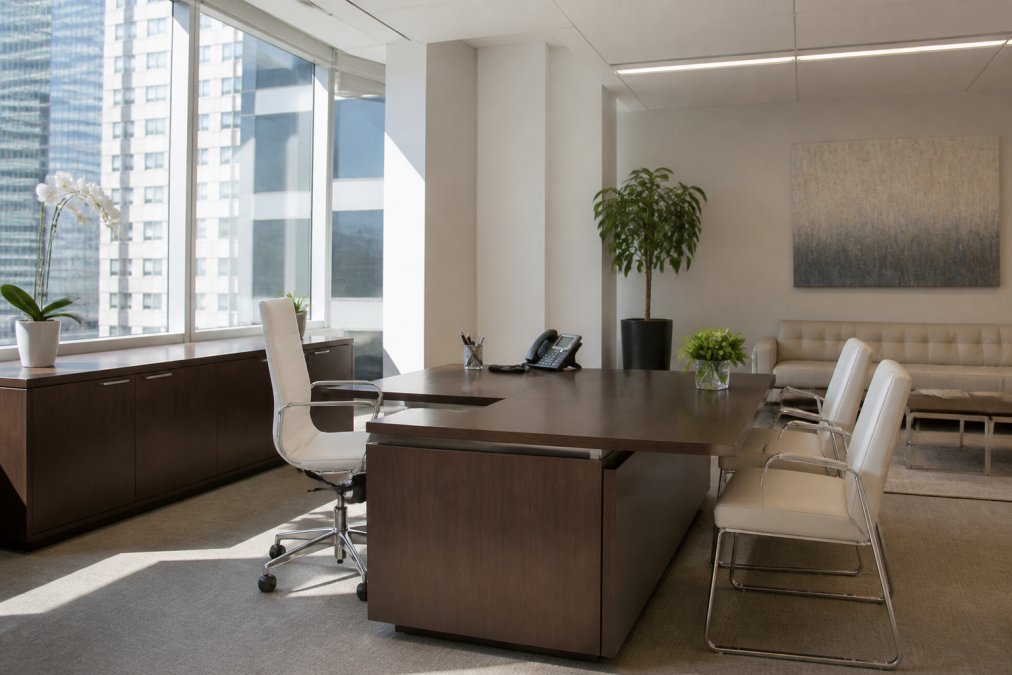
Your office environment directly impacts image quality, so preparation matters. Start by decluttering. Remove personal items, papers, and clutter from desks and visible surfaces. A clean background keeps focus on your subjects.
Assess and optimize lighting. Natural light is ideal for office photography, so identify rooms and times of day with the best window light. Avoid harsh midday sun that creates unflattering shadows. If natural light is limited, discuss lighting needs with your photographer in advance, they may bring supplemental equipment.
Check wall colors and backgrounds. Neutral tones photograph better than busy patterns or very dark colors. If your office has branding elements you want visible, ensure they’re clean and well-maintained. Dated signage or worn walls distract from your subjects.
Address HVAC and noise. Turn off noisy equipment or schedule the shoot during quieter business hours. Air conditioning units and loud machinery create sound interference during video or create visible vibration in still images.
Arrange furniture thoughtfully. Position seating and standing areas to create natural groupings for team photos. Open sightlines work better than cramped spaces. If you want environmental shots showing your office culture, consider which areas photograph best and feel most representative of your brand.
Brief your team on what to expect. Let employees know the photographer will be present, what they should wear, and how the shoot will affect their workday. Advance notice prevents awkwardness and helps people feel more comfortable in front of the camera.
Shoot on a day when your office looks and feels normal. Don’t wait for a special event or artificially stage the environment. Authentic office moments photograph better than forced scenarios, and your team will be more relaxed.
Commercial Photography Usage Rights Explained
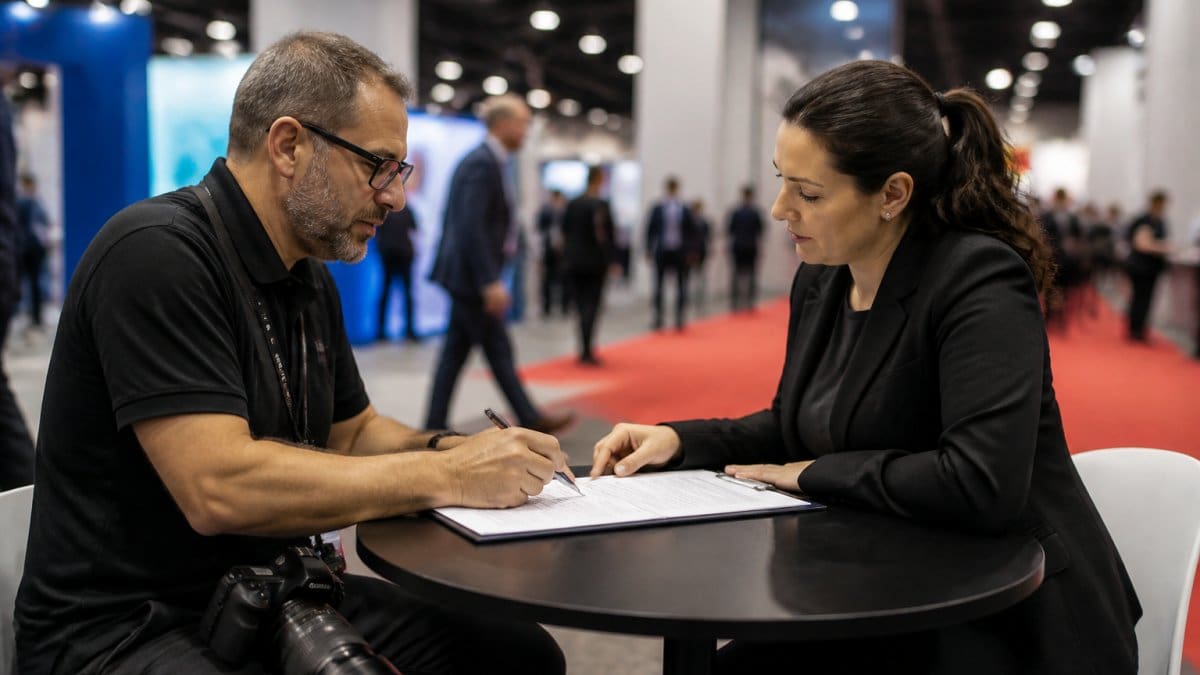
Understanding licensing and usage rights protects both you and the photographer. Most commercial photographers retain copyright of the images they create, but they grant you specific rights to use those images.
Exclusive vs. Non-Exclusive Licensing: Exclusive licenses mean only you can use those images. Non-exclusive means the photographer may license the same images to other clients. For corporate work, exclusive licensing costs more but ensures your competitors won’t use the same imagery.
Usage Scope: Clarify where and how you can use images. Can you use them on your website, in print materials, social media, presentations, and advertising? Some licenses restrict usage to specific channels. Unlimited usage costs more than restricted licenses.
Duration: Some licenses are perpetual (you own them forever), while others expire after a set period. Perpetual licenses cost more upfront but provide long-term value.
Modifications: Determine whether you can edit, crop, or alter images. Most commercial licenses allow reasonable editing but may restrict major alterations that change the photographer’s original intent.
Credit Requirements: Some photographers require attribution when images are published. Clarify this upfront so you’re not caught off-guard by contractual obligations.
Buyout vs. Licensing: A full buyout gives you complete ownership and unlimited rights. This costs significantly more than standard licensing but eliminates future licensing concerns. For most commercial photographer office shoots, standard licensing provides adequate rights at reasonable cost.
Request these terms in writing before the shoot. Ambiguous verbal agreements lead to disputes about what you can and cannot do with the images.
On-Location vs. Studio Photography for Corporate Work
Each approach offers distinct advantages depending on your goals and constraints. On-location photography in your office captures your actual environment and culture. Images show your real workspace, team interactions, and authentic atmosphere. This approach works best when your office environment reflects your brand positively and you want imagery that feels genuine.
Choose on-location if your office environment is visually appealing and represents your brand well. Choose studio if you need consistent, polished results or if your office lighting is poor. Many organizations benefit from both approaches for different image types.
Scheduling and Logistics for Office Photography Sessions
Timing and coordination determine whether your shoot runs smoothly or becomes chaotic. Start by selecting a date that works around major deadlines and events. Avoid periods when your team is under extreme pressure or when key people will be absent.
Frequently Asked Questions
How much do commercial photographers charge for office shoots?
Commercial photography rates vary widely based on experience and project scope. Pricing depends on session length, number of subjects, post-production work, and usage rights. Pricing depends on session length, number of subjects, post-production work, and usage rights. Contact photographers directly for quotes tailored to your specific project needs.
What should I look for when hiring a commercial photographer for an office shoot?
Evaluate their professional portfolio for work matching your industry and style. Check whether they have experience with corporate headshots, environmental portraits, and branding sessions. Ask about their turnaround time for edited images, post-production services, and licensing terms. Confirm they understand your brand identity and can deliver the visual consistency your marketing assets require. References from similar corporate clients are valuable proof of reliability and quality.
How should I prepare my office space for a professional photography session?
Clean and declutter your office environment thoroughly. Ensure adequate natural or professional lighting by opening blinds and removing obstacles. Coordinate a dress code with participants so clothing aligns with your brand identity. Brief key personnel on their roles and positions. Remove personal items, clutter, and distracting backgrounds. Confirm parking, building access, and any security requirements with your photographer in advance. A well-organized space reduces session time and improves final image quality.
What usage rights and licensing should I expect from a commercial photographer?
Licensing agreements define how you can use images: personal use, internal marketing, public website display, or commercial licensing for paid advertising. Clarify whether the photographer retains copyright or grants you full ownership. Confirm whether images can be edited, resized, or used across multiple platforms. Discuss restrictions on client confidentiality if your event involves sensitive attendees or proprietary information. Written licensing terms protect both parties and ensure your marketing assets can be deployed without legal risk.