Mastering Low Light Candid Shots | Event Photojournalism Techniques
Learn how to master low light candid shots at weddings, corporate events, and celebrations. Practical photojournalism techniques for capturing authentic moments in challenging lighting without disrupting the atmosphere.
Mastering Low Light Candid Shots: Techniques for Authentic Event Photography
Many of the most meaningful moments at weddings, galas, conferences, and celebrations happen in low light. Dim reception rooms, candlelit dinners, evening ceremonies, and softly lit venues create atmosphere—but they also present real technical challenges for photographers committed to candid, photojournalistic coverage.
Mastering low light candid shots requires a combination of technical control, anticipation, and restraint. The goal is not simply to get a usable exposure, but to preserve the natural mood of the scene while capturing genuine, unposed moments.
Why Low Light Candid Work Matters
Low light often coincides with the most emotional parts of an event: first dances, toasts, quiet conversations, and late-evening interactions. These moments rarely benefit from bright, artificial lighting. When handled well, low light candid photography retains the intimacy and atmosphere that define the experience.
Core Techniques for Low Light Candid Photography
1. Prioritize Available Light
The foundation of strong low light candid work is learning to see and use the light that already exists. This includes:
- Identifying practical light sources (windows, pin lights, candles, uplighting, stage lighting)
- Positioning yourself so that existing light falls favorably on faces
- Accepting and working with the color and quality of the available light rather than fighting it
2. Optimize Camera Settings for Speed and Quality
In fast-moving candid situations, settings must support both exposure and decisive timing:
- Use the widest apertures your lenses allow (typically f/1.4–f/2.8) to gather more light and create separation
- Raise ISO thoughtfully—modern cameras handle higher ISOs far better than in the past, and a clean enough image with proper exposure is preferable to a darker, noisier frame
- Choose shutter speeds fast enough to freeze subject movement (often 1/125 or higher for people), adjusting based on the specific action
3. Master Manual and Semi-Manual Exposure
Auto modes can struggle in mixed or dim lighting. Many experienced event photojournalists work in manual or aperture-priority modes with careful exposure compensation. Consistent exposure across a sequence of candid frames makes editing more efficient and the final gallery more cohesive.
4. Use Longer Lenses Strategically
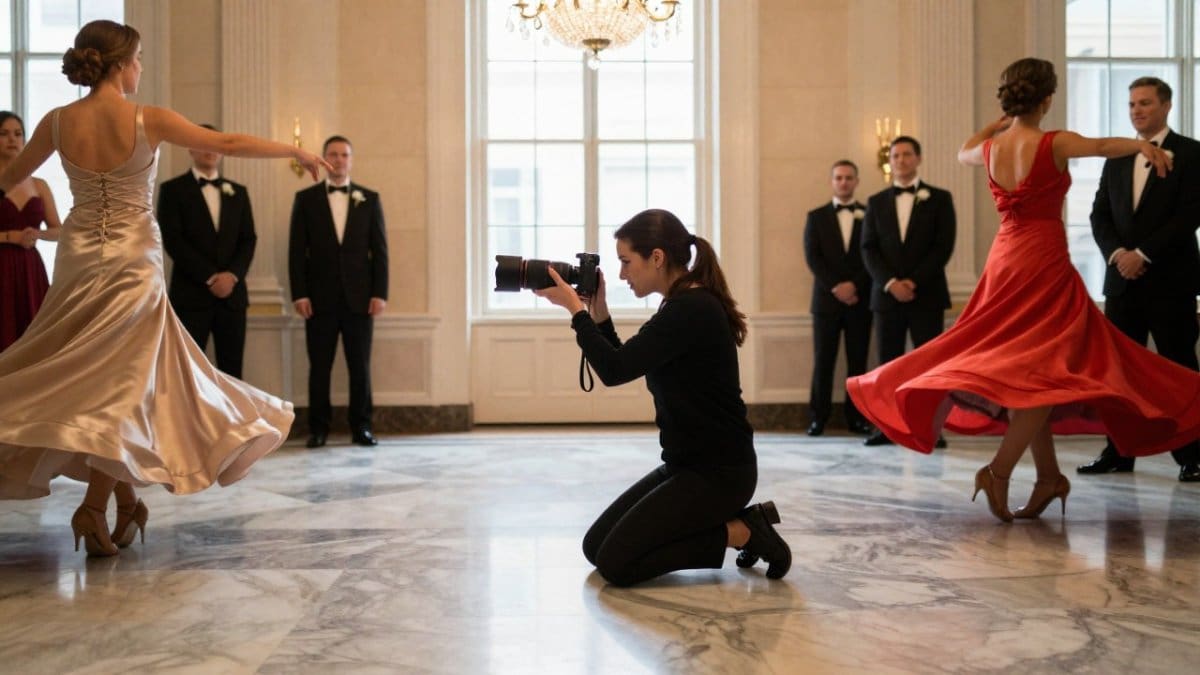
A 70–200mm or similar telephoto zoom allows the photographer to maintain distance, remain unobtrusive, and still fill the frame. In low light, this distance also helps avoid casting shadows or drawing attention with proximity.
5. Minimize Flash Disruption
When flash is necessary, it should be used with restraint:
- Bounce flash whenever possible to create softer, more natural-looking light
- Keep power low to avoid overpowering the ambient atmosphere
- Consider the direction and quality of the flash so it supports rather than flattens the scene
Many of the strongest low light candid images are made without flash at all.
6. Anticipate and Position Early
Technical skill alone is not enough. Because low light often requires slower working methods or more deliberate composition, anticipation becomes even more critical. Observing interactions and moving into position before the peak moment allows the photographer to work calmly and precisely when the light is limited.
Balancing Technical Quality and Atmosphere
The most successful low light candid shots strike a balance. They are sharp enough where it matters (usually the eyes and key subjects), properly exposed for the emotional content of the frame, and respectful of the existing mood. Overly bright or heavily lit images can destroy the feeling of the moment, while severely underexposed frames lose important detail and emotion.
Practical Experience Across DMV Venues
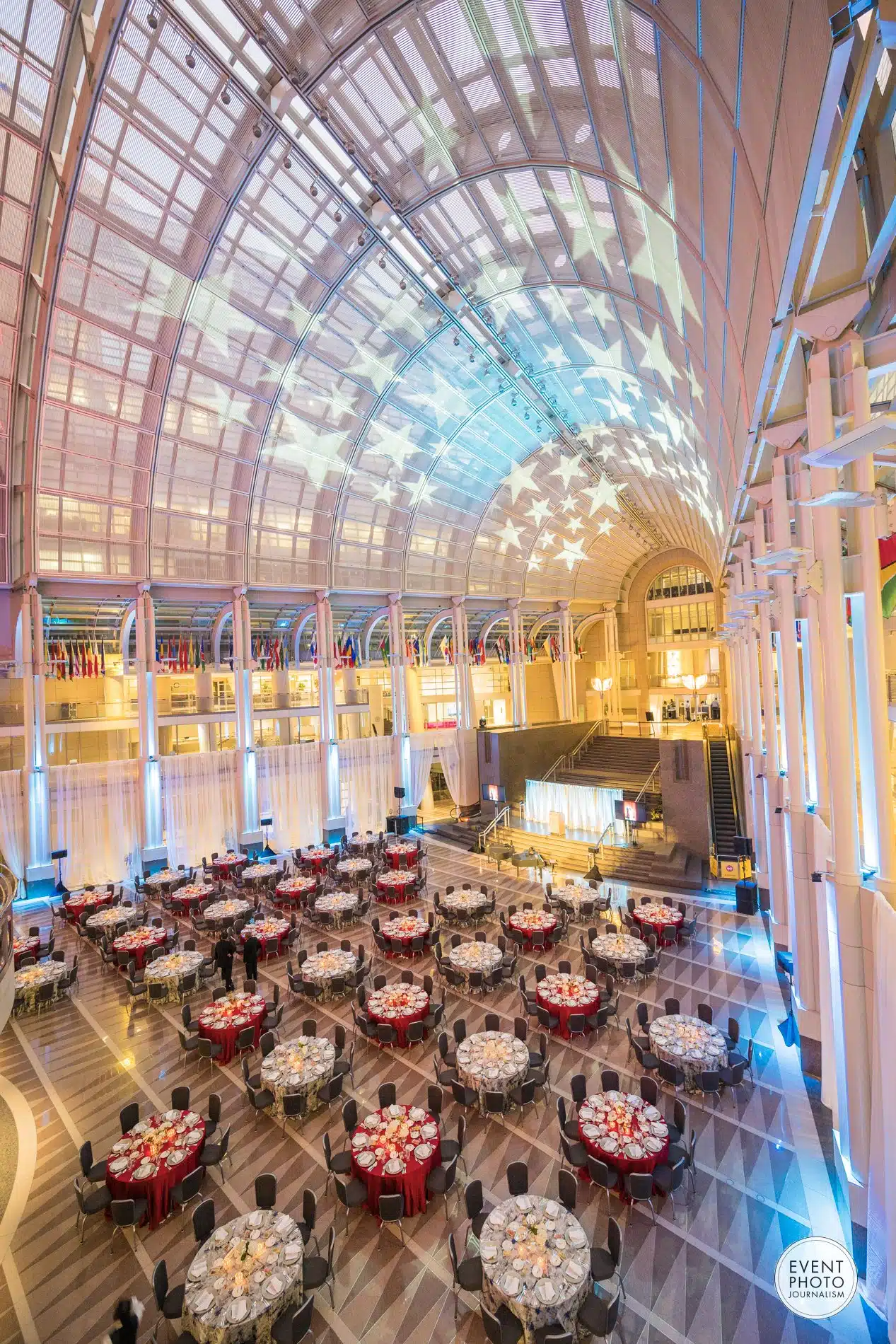
Hotels, historic buildings, museums, and event spaces throughout Washington DC, Northern Virginia, and Maryland each present distinct low light challenges. Experience in these environments teaches photographers how light behaves in specific rooms and how to adapt quickly as conditions change throughout an evening.
The Goal: Authentic Moments, Preserved Naturally
Mastering low light candid shots is ultimately about serving the story. When technical decisions support observation rather than interrupt it, the resulting images feel honest and immersive. Viewers sense both the emotion of the people and the atmosphere of the space.
This approach has guided our coverage of weddings, corporate events, galas, and celebrations across the DMV for more than three decades. The commitment remains the same: to document real moments with clarity, respect, and fidelity to the light and feeling of the day.
Primary Keywords:
Mastering low light candid shots, low light event photography, candid photography in low light, low light photojournalism techniques, available light event photography
Would you like a shorter version, a more technical gear-focused version, or social media excerpts from this piece?