Explain Photojournalistic Event Coverage | How We Photograph Meetings, Galas & Conferences
What photojournalistic event coverage means in practice: discreet observation, authentic moments, and usable images from conferences, galas, and meetings across the DMV.
Explain Photojournalistic Event Coverage
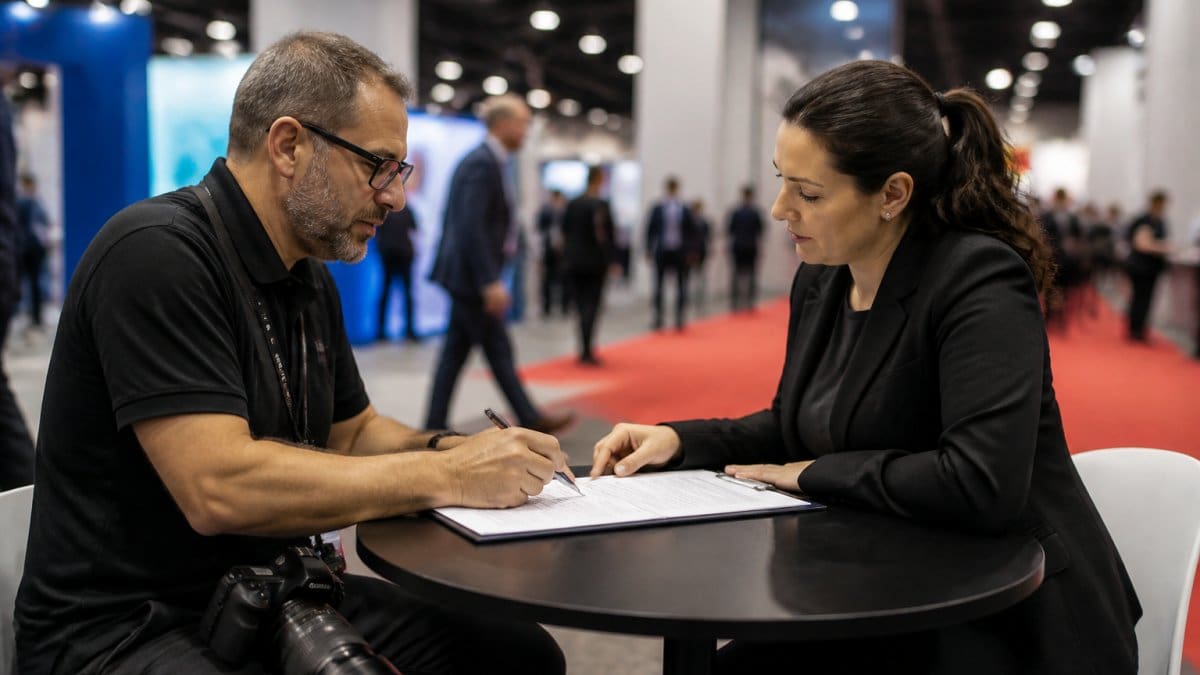
Photojournalistic event coverage is a way of working, not a filter. The photographer watches the event as it happens, anticipates the next moment, and makes frames without stopping the room to arrange it. The goal is a gallery that feels true to the meeting, gala, or conference—not a set of pictures of people posing next to a logo.
That is the approach Event Photojournalism uses across Washington DC, Northern Virginia, and Maryland.
What It Is
Photojournalistic coverage means:
- Observing before directing
- Photographing people as they speak, listen, and gather
- Keeping formal group photos short and scheduled
- Respecting the program, the venue, and the guests
- Delivering images that still work months later for reports, websites, and donor follow-up
It is closer to documentary reporting than to portrait-studio work. The event remains the subject. The photographer does not.
What It Is Not
It is not:
- A night of constant posed smiles against the step-and-repeat
- Heavy lighting that changes how the room feels
- Interrupting a keynote for “one more”
- Following guests with a flash through dinner
- A gallery that could have been made in any ballroom because nothing in it is specific
Posed frames still have a place. They are a planned part of the assignment, not the whole assignment.
How It Looks During a Real Event
Arrivals
Guests are photographed as they enter, greet, and pause. A branded backdrop is used efficiently, then the photographer moves on. See red carpet arrival coverage and step-and-repeat lighting.
Sessions
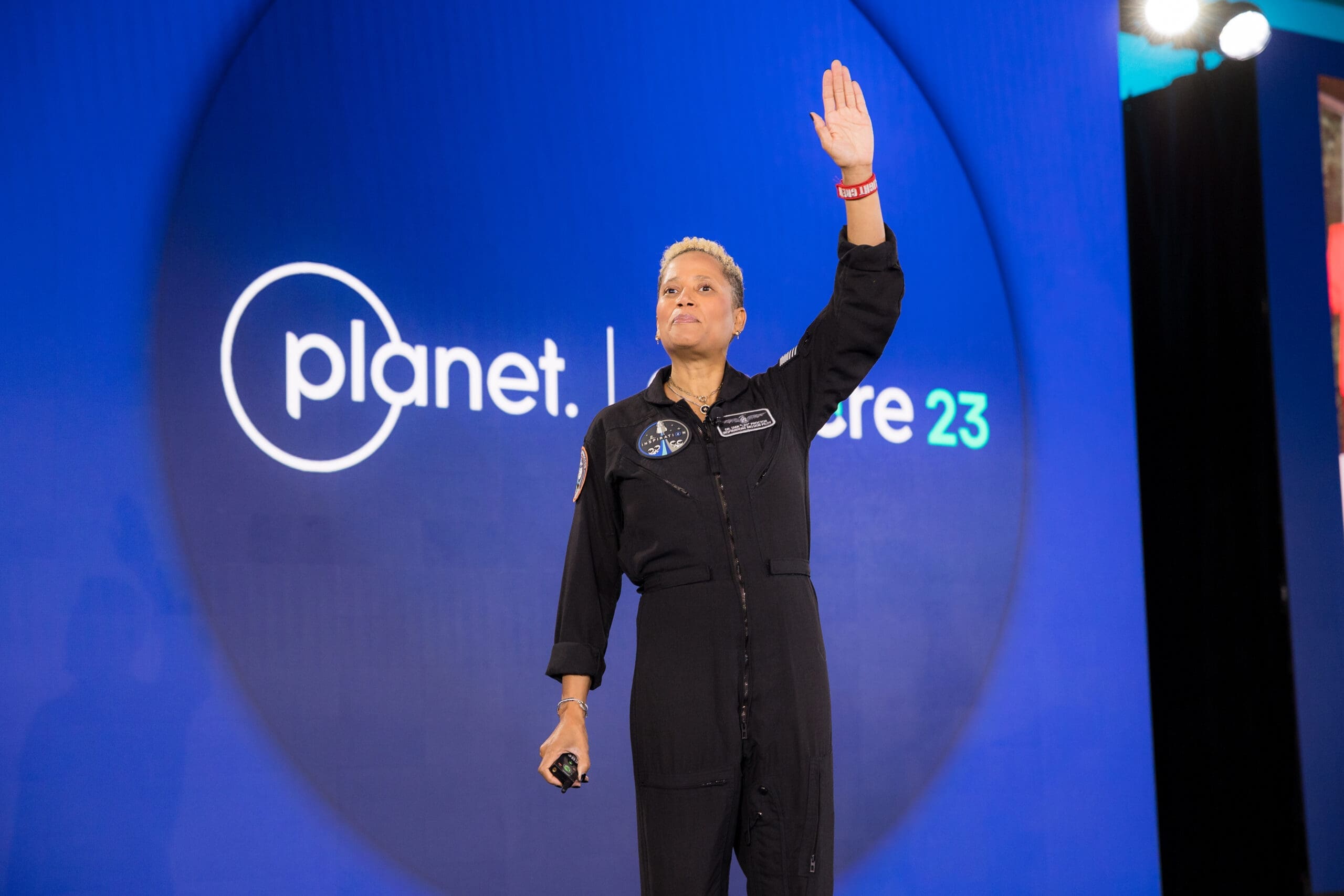
Speakers, panels, and audience reaction are covered from positions that do not block sightlines or cameras. Low light is handled as a technical problem, not an excuse to over-flash the room. See low light conference photography.
Receptions and galas
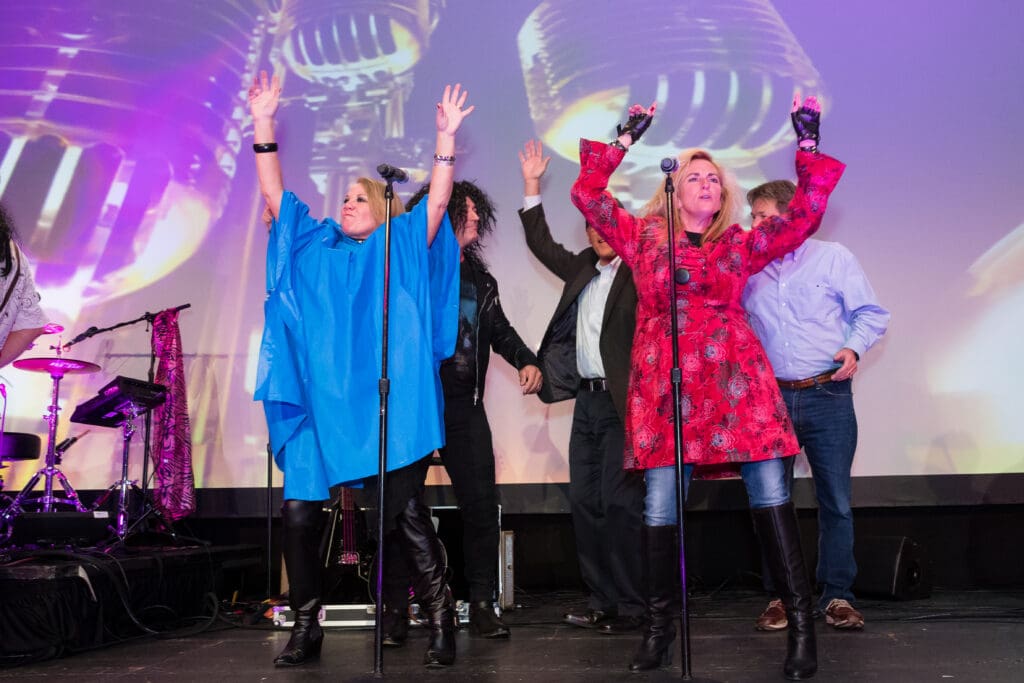
Conversation, toasts, awards, and atmosphere get the most time. Formal groups happen in a window the planner controls.
Conferences
Registration, breakouts, sponsor activity, and hallway conversations are part of the story. The general session is not the only picture that matters.
Why Organizations Use This Approach
Planners, communicators, and development teams need images that:
- Show the event actually happened
- Feature real attendees, not only a receiving line
- Work in a recap email and on a homepage
- Do not make guests look handled
- Hold up next to press or sponsor use
Staged coverage can look polished in the first twenty frames and repetitive after that. Photojournalistic coverage builds a narrative: arrival, program, reaction, aftermath.
What the Photographer Needs from You
- Run-of-show
- Must-have people and moments
- Any no-photograph requests
- Flash and venue rules
- Whether the program is hybrid or livestreamed
- Delivery timing
The more specific the brief, the less the photographer has to interrupt the room to guess.
Where We Use It
This is how we cover:
- Northern Virginia conferences and meetings
- DMV galas
- National Harbor and downtown DC venues
- Retreats, museums, hotels, and hunt-country properties
The rooms change. The method does not.
Book Photojournalistic Event Coverage
If you want coverage that documents the event instead of rearranging it, we would be glad to discuss the assignment.
Contact Event Photojournalism Photography at 703-362-5996.