Table of Contents
- What Makes a Great Acting Headshot
- Acting Headshot Wardrobe Tips That Get Callbacks
- Preparing for Your Headshot Session: What to Bring and How to Plan
- Acting Headshot vs Corporate Headshot: Understanding the Difference
- Cost of Professional Headshots and Budget Tiers
- Choosing the Right Photographer for Your Acting Headshots
- Casting Director Expectations and Technical Submission Standards
- Conclusion
Last Updated: August 26, 2026
What Makes a Great Acting Headshot
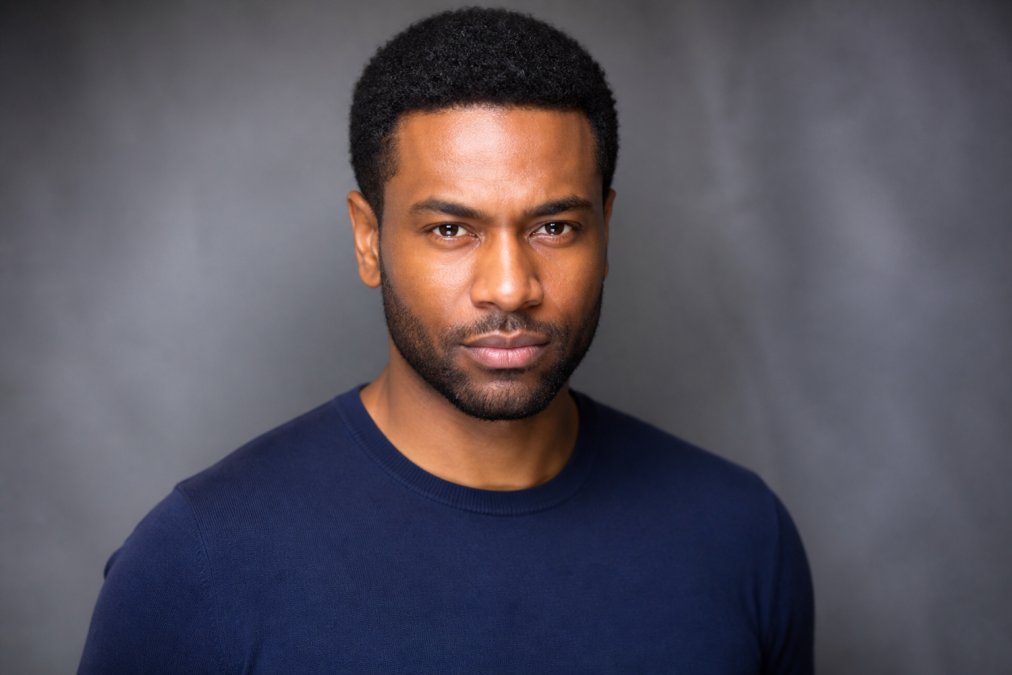
A great acting headshot is a tool that puts you directly in front of casting directors exactly as you appear on screen. It’s not a glamour shot, a corporate portrait, or an artistic photograph, it’s a professional image that shows your face clearly, authentically, and ready to work. According to DC Headshots by Tim Coburn’s industry analysis, contemporary headshots are taken straight on from the shoulders up, allowing casting directors to see your face with absolute clarity.
The difference between a headshot that generates callbacks and one that sits in a folder comes down to three core elements: technical execution, authentic expression, and strategic alignment with the roles you actually book. Lighting matters enormously, vibrant color and natural light ensure your image doesn’t look washed out under the fluorescent bulbs of a casting office. The background should feel real and story-driven rather than flat. A blurred environmental backdrop creates depth and suggests character, which is exactly what film and TV casting directors want to see.
Your expression is everything. This isn’t a smile-for-the-camera moment. Casting directors want to see the real you, the version that walks into an audition room. That means your eyes should have intention. Your jaw should be relaxed. Your shoulders should feel grounded. The best headshots capture a moment of genuine presence, not a forced performance.
Acting Headshot Wardrobe Tips That Get Callbacks
What you wear in your headshot session directly determines whether you look like yourself or like someone playing a character. Solid colors work best, jewel tones, earth tones, and neutrals photograph beautifully and draw attention to your face rather than competing with busy patterns. Avoid logos, text, stripes, and busy designs that distract from your features or date your image within six months.
Fit matters more than fashion. A well-fitted solid-color shirt, sweater, or top that hugs your shoulders slightly creates definition without looking costume-like. Avoid oversized clothing that swallows your frame or anything so tight it reads as uncomfortable. Bring 2-3 tops in different colors and styles, you want variety in your final selects without looking like you’re wearing a costume.
Consider your casting range honestly. If you book roles as the approachable, friendly type, wear something warm and accessible. If you typically play intense or dramatic characters, a darker, more serious palette works better. Zion, an actor who worked with Kristina Sherk Photography, came prepared with organized "character looks" based on the roles he typically books and wants to book. Kristina styled, matched expressions, outfits, and lighting to each character look. Zion left the session with four headshots tailored to specific roles, allowing him to diversify his submissions rather than sending the same generic image to every casting.
Avoid anything that reads as a costume or a statement. No leather jackets, no band t-shirts, no visible tattoos (unless you want them to be a defining feature). The goal is professional and authentic, not trendy. Your headshot should look current in 2026 and still be usable in 2028.
Preparing for Your Headshot Session: What to Bring and How to Plan
Show up with clear intention about the types of roles you want to book. Bring your acting resume, even though the photographer won’t need it, it helps you stay focused on your casting range during the session. Bring 2-3 outfit options in the colors and styles you’ve chosen. Bring water and a snack. Bring your phone if you want to reference specific expressions or looks you’ve prepared.
Arrive with your hair and makeup done the way you typically wear it on set. You’re not getting a makeup artist, you’re showing up as yourself. If you typically wear makeup, wear it. If you don’t, don’t start now. The photographer will adjust lighting and posing to work with what you’ve brought. Dani Stoller, a client of Kristina Sherk Photography, communicated her desired "vibe and look" for her headshots. Kristina delivered headshots that exceeded expectations, making Dani feel like an active participant and co-creator, truly seeing herself in the pictures.
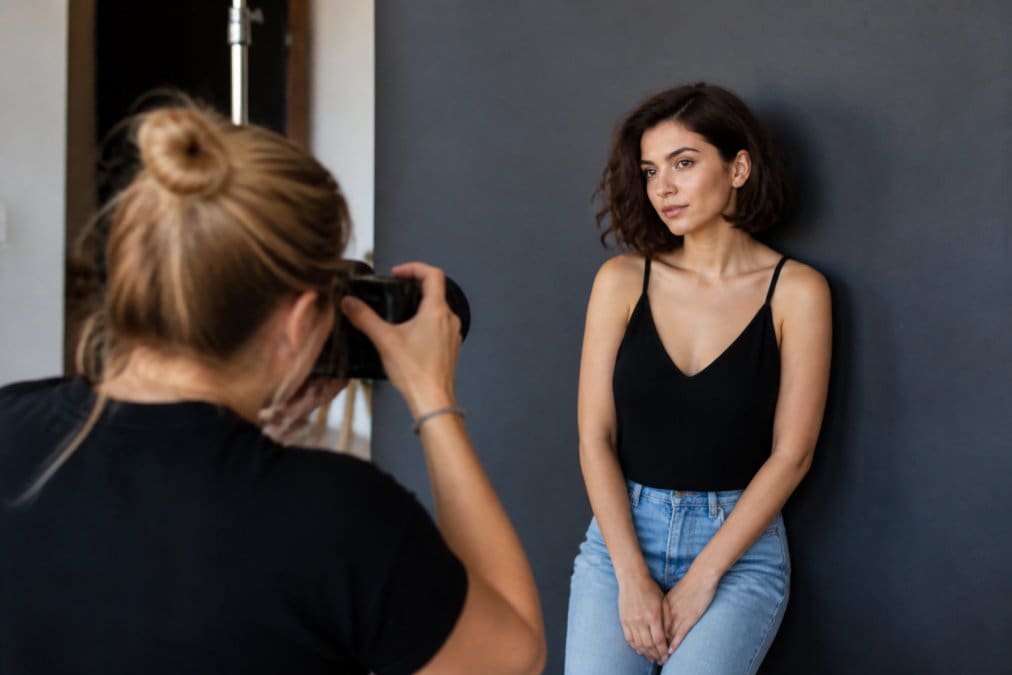
Prepare 2-3 emotional states or expressions you want to capture. Not dramatically different, subtle variations. Think "approachable," "serious," "vulnerable," "confident." The photographer will guide you through micro-adjustments in your eyes, jaw, and shoulders to hit these different reads. Most sessions run 30-60 minutes. EightFive Studios offers a 30-minute session with 2 looks and 2 backgrounds for $200, which is realistic for the time required to get genuine variety.
Don’t over-prepare. The best headshots happen when you stop thinking and just exist in front of the camera. Your photographer should provide expression coaching throughout the session, guiding you toward authenticity rather than performance. Jenna Nava, a first-time headshot client of Armato Headshots, received thoughtful guidance and expression coaching throughout her session. She left feeling confident to submit her professional and flattering headshots for roles.
Acting Headshot vs Corporate Headshot: Understanding the Difference
A corporate headshot is a professional portrait designed to convey authority, trustworthiness, and polish. It’s used on LinkedIn, company websites, and corporate directories. The background is typically clean and neutral. The expression is warm but professional. The clothing is business attire. The goal is to look credible and approachable in a corporate context.
An acting headshot is fundamentally different. It’s a casting tool, not a corporate credential. The background can be environmental or textured rather than pure white or gray. The expression should feel alive and story-ready rather than corporate-friendly. The clothing should be authentic to your real life, not business formal. The goal is to show a casting director exactly who you are as an actor and what roles you can play.
This distinction matters because the technical approach changes. A corporate photographer prioritizes symmetry, polish, and conventional beauty standards. An acting headshot photographer prioritizes authenticity, character specificity, and the subtle shifts in expression that tell a story. Corporate headshots are lit to be universally flattering. Acting headshots are lit to reveal character and dimension.
The retouching approach differs too. Corporate headshots get smoothed, softened, and polished to perfection. Acting headshots should look like you, with minor blemishes removed but your actual features preserved. Casting directors want to recognize you when you walk into the audition room, not wonder why you look different in person.
If you’re an actor who also needs a corporate headshot, get both. They serve completely different purposes and require different photographers with different expertise.
Cost of Professional Headshots and Budget Tiers
Professional acting headshots in the region range significantly based on photographer experience, session length, and the number of edited images included. Understanding the pricing structure helps you make an informed decision without overpaying or underinvesting in your career tool. professional wardrobe essentials.
Entry-level options start around $195-$250 for a basic session with limited retouching and fewer final selects. Storytelling Visuals offers professional headshots starting at $195. EightFive Studios provides a 30-minute session with 2 looks and 2 backgrounds for $200. These packages work well if you’re just starting out or testing the waters before committing to a more comprehensive session.
Mid-range options run $300-$550 and typically include longer session times, multiple outfit changes, and more extensive retouching. Washington DC Headshots charges a standard rate of $195, plus $150 for each chosen image, which gives you control over your final investment. Kristina Sherk Photography has a $95 session fee and charges $290 per selected retouched image. HeadshotDC charges $550 for 2 professional headshots. These tiers give you quality work without premium pricing.
Premium options exceed $550 and usually include consultation, styling guidance, multiple session locations, extensive retouching, and priority turnaround. These photographers often have extensive credits and work with established actors regularly.
The real question isn’t what others pay, it’s what you get for your investment. A cheaper session that leaves you with one usable headshot is expensive. A mid-range session that gives you four solid, diverse images you can use for different casting categories is a bargain. Consider the photographer’s portfolio, their experience with your casting type, and how many final images you’ll actually receive.
Most working actors update their headshots every 18-24 months, so think of this as an ongoing career investment, not a one-time expense (backstage.com).
Choosing the Right Photographer for Your Acting Headshots
The photographer you choose determines whether your headshots help your career or hold it back. Look for someone with a portfolio of working actors, not just beautiful people, but actors who actually book roles. Their portfolio should show variety in casting types, not just one "look." You should see headshots of actors who look like you, actors who could be your competition, because that’s the honest test of whether this photographer understands your market.
Ask about their experience with theatrical headshots specifically. A portrait photographer who does beautiful work might not understand the technical requirements casting directors actually need. A photographer who specializes in commercial headshots might not know how to capture the depth and character that film and TV casting requires. The best photographers have done both and can guide you toward the right approach for your goals.
Check their turnaround time. You need final images within 1-2 weeks, not a month. Ask how many final edited images you’ll receive and whether you can request additional edits if something doesn’t feel quite right. Ask about their retouching philosophy, do they preserve your actual features or over-smooth and over-brighten?
Interview them about how they work. Do they provide expression coaching? Do they adjust your posing based on what works for your face? Do they understand the difference between a "pretty" headshot and a "castable" headshot? The best photographers ask questions about your casting range, the types of roles you book, and what you want to communicate. They don’t just point a camera and shoot.
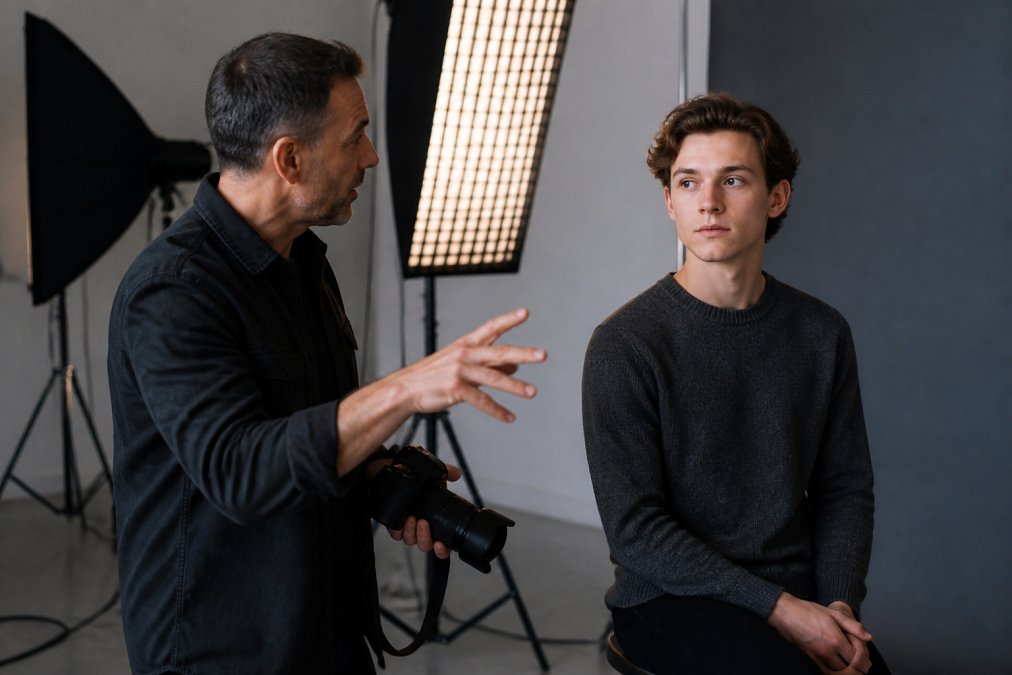
Look at their client testimonials and social proof. Kristina Sherk Photography’s work with clients like Zion and Dani Stoller shows photographers who understand the actor’s perspective and deliver images that feel authentic and castable. Event Photojournalism brings this same professional, service-oriented approach to high-resolution imagery across the DMV area, with award-winning photography that captures authentic moments and delivers the quality your career demands.
Casting Director Expectations and Technical Submission Standards
Casting directors receive hundreds of headshots weekly. Yours needs to meet technical standards immediately or it gets rejected before anyone even looks at your face. High-resolution images are non-negotiable, casting directors need to see detail and clarity. Your headshot should be at least 8×10 inches at 300 DPI, which ensures it prints sharply and displays clearly on digital platforms.
Format matters. Most casting submissions require JPG files, not PSD or TIFF. File size should be under 5MB so it doesn’t clog email systems. Color grading should be consistent, your skin tone should look natural, not orange or washed out. The image should be sharp and in focus, not soft or blurry.
Aspect ratio affects how your headshot displays across different platforms. A standard 8×10 headshot works for print submissions and most digital casting platforms. Some platforms request specific dimensions, so check requirements before submitting. Your photographer should provide files in the standard formats casting directors actually use, not proprietary formats that require conversion.
According to industry standards from casting director resources, theatrical headshots should show your face clearly from the shoulders up, with minimal background distraction. Commercial headshots can be slightly wider and more lifestyle-oriented, but theatrical headshots demand focus. Your expression should be natural and story-ready, not posed or performative.
Digital submission platforms like Backstage, Actors Access, and Casting Networks have specific technical requirements. Your photographer should understand these standards and deliver files that meet them. A headshot that looks beautiful on Instagram but doesn’t meet casting platform specs is useless for your career.
Keep your digital files organized. You should have high-resolution masters for printing, web-optimized versions for email and platforms, and a backup copy stored separately. Most photographers provide these, but confirm before you leave the session.
Conclusion
Acting headshots are your primary casting tool in a competitive market. The difference between a headshot that generates auditions and one that doesn’t comes down to authentic expression, technical quality, and strategic alignment with the roles you actually book. Invest in a photographer who understands your casting range, provides expression coaching, and delivers high-resolution images that meet industry standards.
Event Photojournalism delivers award-winning, high-resolution photography services across the DMV area, expertly capturing authentic moments with the professional expertise your career demands. Our service-oriented team provides customized solutions designed to elevate your professional brand and ensure every image reflects your best self. Learn more about professional headshot services and technical requirements to get started with photography that transforms your audition submissions into career opportunities.
Frequently Asked Questions
What should I wear for acting headshots?
Wear solid colors that complement your skin tone and fit snugly without being restrictive. Avoid busy patterns, logos, and anything that distracts from your face. Choose clothing that reflects the types of roles you pursue, professional attire for corporate roles, casual for contemporary characters. Bring 2-3 outfit options so you can create multiple looks during your session. Your photographer should guide you on what works best for theatrical versus commercial headshots.
How much do professional acting headshots cost?
Pricing varies significantly based on photographer experience, session length, number of looks, and retouching included. Budget-friendly options start around $200 for a 30-minute session with basic retouching, while premium photographers may charge $300-$550 or more for extended sessions with multiple backgrounds and extensive editing. Many photographers charge a session fee separately from per-image costs. Request quotes from multiple photographers to find pricing that matches your career stage and budget.
What's the difference between acting headshots and corporate headshots?
Acting headshots emphasize personality, emotional range, and character types, they often feature natural or blurred backgrounds that feel story-driven and use varied expressions to show casting potential. Corporate headshots prioritize professionalism and polish with clean backgrounds, neutral expressions, and formal styling. Casting directors want theatrical headshots that convey who you are as an actor; corporate clients want consistency and approachability. Make sure your photographer understands which type you need before your session.
How do I prepare for a headshot session?
Arrive well-rested with clean skin and minimal makeup (or bring a makeup artist). Bring 2-3 outfit options in solid colors, a list of character types or roles you want to portray, and water to stay hydrated. Get a fresh haircut or style 2-3 days before your shoot. Communicate with your photographer about your goals, the types of roles you pursue, and any specific looks you want to capture. Prepare multiple expressions and practice your range, casting directors want to see versatility.
This article was written using GrandRanker