
Table of Contents
- Candid vs Posed Photography: Core Differences
- Pros and Cons of Candid vs Posed Event Photography
- When to Use Candid Shots at Events
- When to Use Posed Shots at Events
- How to Direct Posed Photos at Your Event
- Candid Photography Tips for Capturing Authentic Moments
- Building Your Event Photography Shot List
- Technical Gear and Post-Production Differences
Last Updated: August 13, 2026
Candid vs Posed Photography: Core Differences
The photography style you choose shapes how your event’s story gets told. Candid vs posed event photography represent two fundamentally different approaches, each with distinct strengths and technical demands.
Candid photography captures unguarded moments as they naturally unfold. The photographer remains discreet, observing and responding to spontaneous moments without directing subjects. This documentary-style approach prioritizes authentic representation over arrangement.
Posed photography involves deliberate arrangement and direction. Subjects are positioned intentionally with specific framing and composition in mind. This formal portraiture approach gives the photographer complete control over lighting, composition, and subject positioning.
The philosophical difference runs deeper than technique. Candid photography trusts the moment to reveal truth. Posed photography constructs the moment to communicate a specific message.
What Defines Candid Photography
Candid photography captures spontaneous moments without subject awareness of the camera. The photographer remains unobtrusive, shooting from the periphery of action. This approach relies on timing, positioning, and anticipation rather than direction.
Candid capture means the photographer watches for emotional storytelling moments before they fully develop, a genuine laugh, a meaningful glance, the precise second when someone’s guard drops. The subject isn’t performing; they’re living. There’s no stiffness, no "say cheese" awkwardness.
What Defines Posed Photography
Posed photography involves explicit direction and arrangement. The photographer positions subjects, adjusts their positioning, frames the shot, and provides specific instructions. This staged approach gives complete control over every visual element.
Formal portraiture is the clearest example. At events, posed shots typically include group photos, executive headshots, sponsor recognition images, and formal moments. These images are used for official records, annual reports, press releases, and marketing materials.
The Role of Directed Shots
Most professional event coverage includes directed photography, a middle ground between pure candid and fully staged work. The photographer might ask subjects to "turn slightly toward the light" or "gather closer together," but the interaction remains relatively natural. This approach often yields the best of both worlds: genuine emotion with improved technical execution.
Pros and Cons of Candid vs Posed Event Photography
Both styles have legitimate strengths and real limitations. The right choice depends on your event’s purpose and what you need the photos to accomplish.
Candid Photography: Strengths and Limitations
Strengths of candid photography:
Candid work excels at capturing authentic emotion and genuine connection. People reviewing candid event photos often feel transported back to the moment because the emotional content is genuine. Candid photography also works exceptionally well for storytelling, a sequence of candid images tells the actual story of what happened. This makes candid work ideal for press releases, annual reports, and marketing materials.
Candid shots also require less coordination time during the event. Events flow more naturally, and guests aren’t repeatedly pulled away from conversations for photos.
Limitations of candid photography:
Candid work is unpredictable. You can’t guarantee specific shots will happen. If your CEO never stands in good light, or key moments occur when the photographer is positioned poorly, you won’t have the image you needed.
Candid photography also demands exceptional technical skill. The photographer must anticipate moments, position strategically, and execute perfectly in uncontrolled lighting. There’s no second chance to reposition the subject. Candid shots also tend to include environmental clutter since the photographer isn’t controlling the scene.
Posed Photography: Strengths and Limitations
Strengths of posed photography:
Posed work guarantees you’ll get the shots you need. You can plan exactly which images you require and execute them systematically. Posed photography also delivers superior technical quality in controlled conditions, lighting is optimized, backgrounds are selected, and composition is precise. These polished, professional images are suitable for formal use.
Limitations of posed photography:
Posed work often feels stiff and artificial. Subjects are aware they’re being photographed, and that awareness shows. Posed photography also interrupts the flow of your event. Gathering people for group photos, waiting for everyone to arrive, and adjusting positions all consume time.
Posed photography also requires significant coordination. You need to know in advance which shots you want and identify the right people.
When to Use Candid Shots at Events
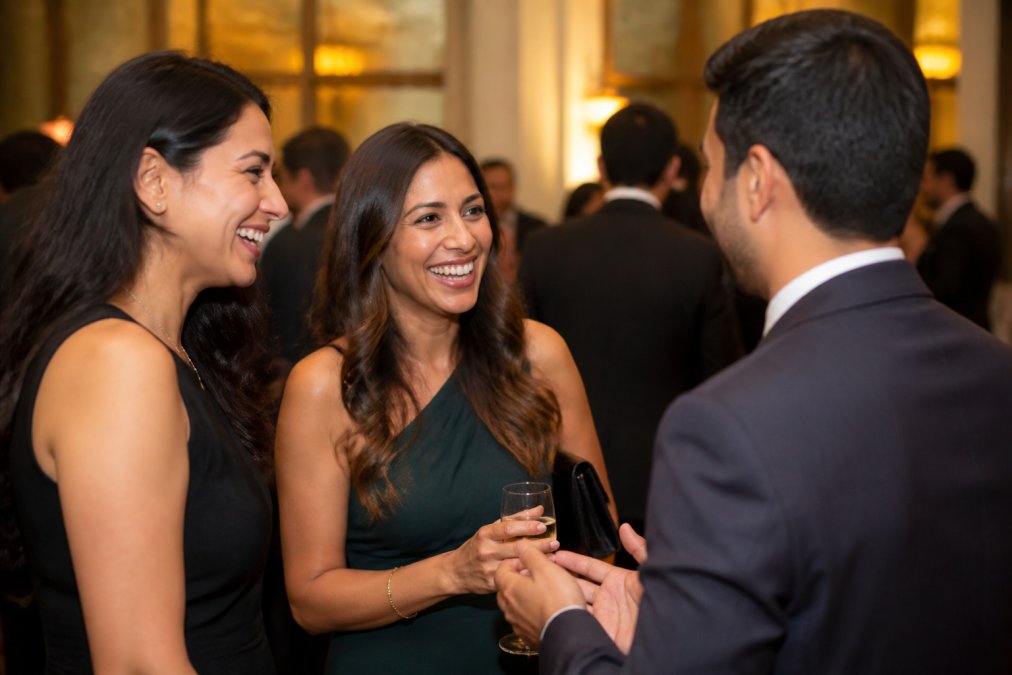
Candid photography is the right choice when your primary goal is authentic documentation and emotional storytelling. Use candid photography for fundraising galas where you want to showcase genuine donor engagement and community connection. Candid images of people laughing and connecting communicate the event’s actual spirit far more effectively than posed group shots.
Candid photography also excels for corporate conferences and networking events where you want to document authentic professional interaction. Candid work is also ideal for milestone celebrations, weddings, and anniversary parties where capturing authentic emotion matters more than formal documentation.
Candid photography is also the right choice when your photographer needs to remain discreet. High-profile board meetings or sensitive donor events benefit from a photographer who documents without being obtrusive.
When to Use Posed Shots at Events
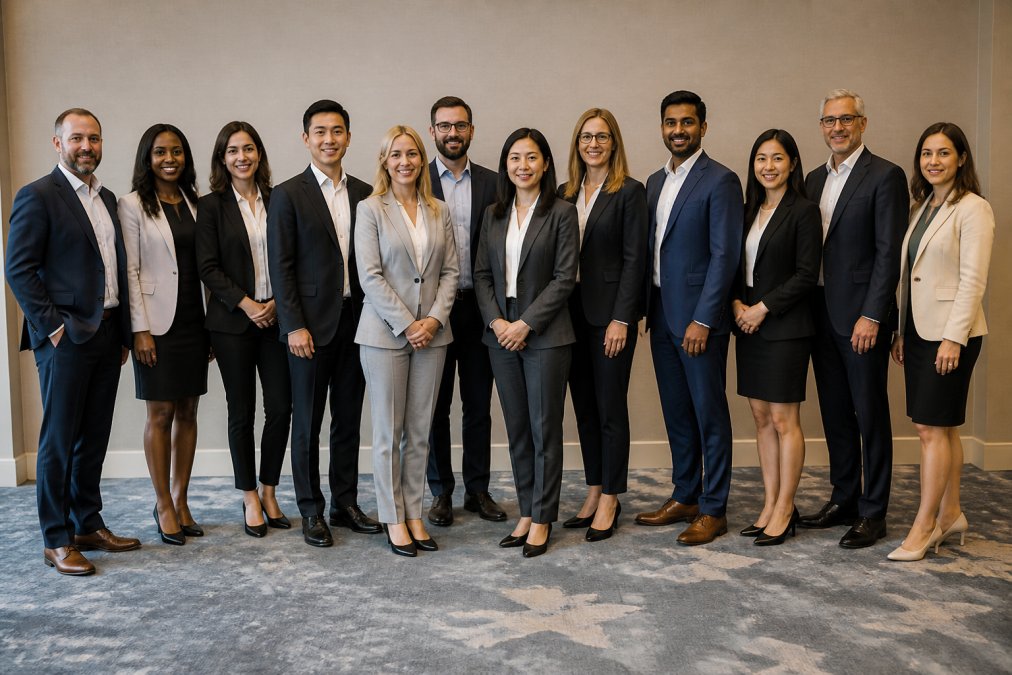
Posed photography is essential when you need specific shots for official use. Annual reports, executive bios, sponsor recognition, and official event documentation all require posed work. You can’t leave these images to chance.
Use posed photography for any shot that will appear in formal communications. Your CEO’s headshot, your board of directors group photo, and sponsor recognition images all need the control and polish that posed work delivers.
Posed work is also the right choice when you need guaranteed coverage of specific moments or people. If your event includes VIPs or key participants you must photograph, posed shots ensure you’ll have professional images of them. Posed photography is also ideal when environmental conditions are poor, allowing the photographer to control variables and position subjects in better light.
How to Direct Posed Photos at Your Event
Successfully directing posed photos requires clear communication and realistic planning. Start by identifying the essential shots your event requires, group photos of key participants, sponsor recognition images, executive photos, and any formal moments that will appear in official communications. Be specific: "Board of Directors group photo" rather than just "group photos."
Communicate these requirements to your photographer well before the event. Provide a detailed shot list that specifies not just what images you need, but context about who should appear in each shot.
During the event, schedule dedicated time for posed photography. Rather than attempting posed shots during the main program, schedule a specific window during cocktail hour or between program segments. This allows the photographer to work systematically without disrupting the event’s flow.
When gathering people for posed shots, communicate clearly about timing. Have someone coordinate gathering the right people efficiently. Photographers work much faster when subjects are ready and waiting.
Position your photographer where they can see and work efficiently. Posed photography works best when there’s space to position subjects and adjust lighting. Allow time for multiple takes, professional photographers typically take 5-10 variations of each posed shot to ensure at least one is perfect.
Candid Photography Tips for Capturing Authentic Moments
Candid photography requires different technical and tactical approaches than posed work. The photographer must anticipate moments, position strategically, and execute with precision in uncontrolled conditions.
Controlling the Environment and Lighting
Even in candid photography, the photographer has more control than many people realize. Positioning is the primary tool. Scout your venue in advance and identify locations with good natural lighting, near windows, under skylights, or in areas where ambient light is flattering. These become the zones where candid photography will happen most effectively.
Understand how ambient lighting changes throughout your event. As lighting conditions change, adjust positioning to maintain quality. Watch for backlighting opportunities, when light comes from behind subjects, it creates separation and dimension that produces visually interesting candid shots.
Positioning for Spontaneous Moments
Anticipation is the core skill in candid photography. Rather than waiting for moments to happen randomly, experienced photographers predict where moments will develop and position themselves accordingly.
Watch for conversational clusters. When people gather in small groups, genuine interaction often follows. Position yourself where you can capture these groups without being intrusive. Anticipate moments around the event’s program, if speeches are happening, position yourself to capture genuine reactions from the audience. Watch for transitions when people move between areas or when the program shifts, as these often produce authentic moments.
Building Your Event Photography Shot List
A comprehensive event photography shot list ensures nothing important gets missed while giving your photographer clear direction about priorities.
Start by listing essential posed shots specifically: "Board of Directors group photo," "CEO with each major sponsor," "Award recipients with presenter." Next, list candid moments you want documented: "Donors in conversation during cocktail hour," "Reactions during the keynote speech," "Celebration after the live auction."
Include logistical moments that need documentation, arrival, registration, program segments, and transitions. Identify key people who should appear in photos and provide your photographer with names or descriptions.
Prioritize your shot list by marking which shots are absolutely essential versus nice-to-have. This helps your photographer allocate time and effort appropriately.
| Shot Category | Specific Shots | Priority | Posed or Candid |
|---|---|---|---|
| Group Photos | Board members, sponsors, event committee | Essential | Posed |
| Key People | CEO, honorees, VIPs | Essential | Both |
| Program Moments | Speeches, awards, presentations | Essential | Candid |
| Attendee Engagement | Conversation groups, networking | High | Candid |
| Venue Details | Décor, setup, signage | Medium | Candid |
| Transitions | Arrival, registration, breaks | Medium | Candid |
Share this shot list with your photographer at least one week before the event.
Technical Gear and Post-Production Differences
Candid and posed event photography differ significantly in technical execution and post-processing requirements.
Camera Settings for Each Style
Candid photography demands faster shutter speeds and higher ISO sensitivity. Typical candid settings include shutter speeds of 1/250 or faster, apertures of f/2.8 to f/4, and ISO adjusted for available light, often 1600 to 3200 in indoor venues. Autofocus performance becomes critical, the photographer must track moving subjects reliably.
Posed photography allows much more controlled settings. Shutter speeds can be slower (1/125 or even 1/60 in controlled lighting), apertures can be optimized for depth of field (often f/5.6 to f/8 for group shots), and ISO can be kept low (typically 100 to 400). Posed photography often uses flash or supplemental lighting to ensure consistent, flattering illumination.
Post-Processing Workflows
Candid photography requires efficient post-processing workflows because the volume of images is typically high, often 1000+ images from a single event. Photographers use batch processing tools like Adobe Lightroom Classic to apply consistent color grading, exposure correction, and sharpening across hundreds of images simultaneously.
Posed photography typically involves fewer total images but more intensive individual processing. Each image may receive custom white balance correction, targeted retouching, and careful color grading. Posed images often require retouching work that candid images don’t, skin tone correction, blemish removal, and background cleanup are standard for formal portraits.
Candid photography typically requires faster turnaround because events need press release images and social media content quickly. Posed photography can accommodate longer timelines because fewer images require processing.
Building a Hybrid Photography Strategy
The most effective event photography combines both approaches strategically. Rather than choosing candid or posed exclusively, professional photographers blend both styles to deliver comprehensive coverage.
Start with your actual needs. Identify which images are truly essential for official use, these become your posed shots. Schedule dedicated time for posed photography and execute systematically. Fill the remaining event time with candid photography to capture the authentic story of what actually happened and provide rich material for storytelling and marketing.
This hybrid approach also manages photographer workload efficiently. Posed shots happen during scheduled windows, allowing systematic work. Candid photography happens continuously during the event’s natural flow.
Communicate this hybrid strategy to your photographer in advance. Clarify which moments require posed shots and which should be captured candidly.
Conclusion
Choosing between candid vs posed event photography isn’t actually a choice between one or the other, it’s about understanding when each approach serves your specific goals. Candid photography captures authentic emotion and genuine storytelling. Posed photography delivers professional documentation and guaranteed coverage of essential moments.
Most events benefit from both approaches. A hybrid strategy combines candid documentary-style coverage with strategic posed shots, ensuring you have both the authentic narrative of your event and the professional documentation needed for official use.
Ready to capture your event’s complete story? Learn more about professional event photography services and discuss how we can customize our approach to your specific needs.
Frequently Asked Questions
What is the difference between candid and posed event photography?
Candid photography captures unscripted, spontaneous moments where subjects are unaware of the camera or acting naturally, creating documentary-style imagery with authentic emotions. Posed photography involves intentional arrangement where subjects know they're being photographed, resulting in formal portraiture with controlled composition. Candid shots excel at emotional storytelling and genuine interaction, while posed shots provide structured, professional documentation ideal for formal records and group photos.
When should you prioritize posed photos over candid shots at an event?
Prioritize posed photography when you need guaranteed coverage of specific people (VIPs, sponsors, board members), require formal group photos for annual reports, or want professional headshots for organizational materials. Posed shots work best during structured moments like award presentations, ribbon cuttings, or sponsor recognition. They're essential when client expectations demand polished, professional imagery for marketing materials or when you need consistent framing across multiple similar shots.
What candid photography tips help capture authentic moments without being intrusive?
Position yourself at the periphery of action rather than directly in front of subjects. Use longer focal lengths to maintain distance while capturing genuine expressions. Anticipate moments rather than react to them. Work with available lighting instead of using flash, which draws attention. Blend into the event background through neutral clothing and calm demeanor. Move slowly and deliberately. Understand the event flow so you're positioned where spontaneous moments will naturally occur. This approach respects subject privacy while documenting authentic emotional narratives.
How do you build an effective event photography shot list?
Start by identifying critical moments: arrivals, speeches, award presentations, key interactions, and candid crowd moments. List specific people or groups that must be photographed (sponsors, honorees, leadership). Include venue and detail shots that establish context. Separate shots into candid and posed categories. Clarify deliverable quantity and format with your client beforehand. Prioritize shots by importance so you capture essentials even if timing becomes tight. A comprehensive shot list ensures you don't miss critical moments while balancing both spontaneous and intentional coverage throughout the event.
What's the difference in post-processing between candid and posed photography?
Candid photos typically require minimal retouching to preserve authenticity, focusing on exposure correction, color grading, and subtle skin tone adjustments. Posed photography often involves more extensive retouching including blemish removal, background cleanup, and precise color correction for consistency across group shots. Candid images benefit from maintaining slight imperfections that convey genuine emotion, while posed shots demand polished, professional finishes. Both styles use batch editing for consistency, but the intensity and approach differ based on the desired final aesthetic and client expectations.
EXTERNAL SOURCES CITED:
[EXTERNAL_LINK: Adobe Lightroom Classic documentation for professional photo workflows | adobe.com]
[EXTERNAL_LINK: Capture One Pro color accuracy and RAW processing capabilities | captureone.com]
[EXTERNAL_LINK: Photo Mechanic rapid culling and ingestion tools for event photographers | camerabits.com]
This article was written using GrandRanker