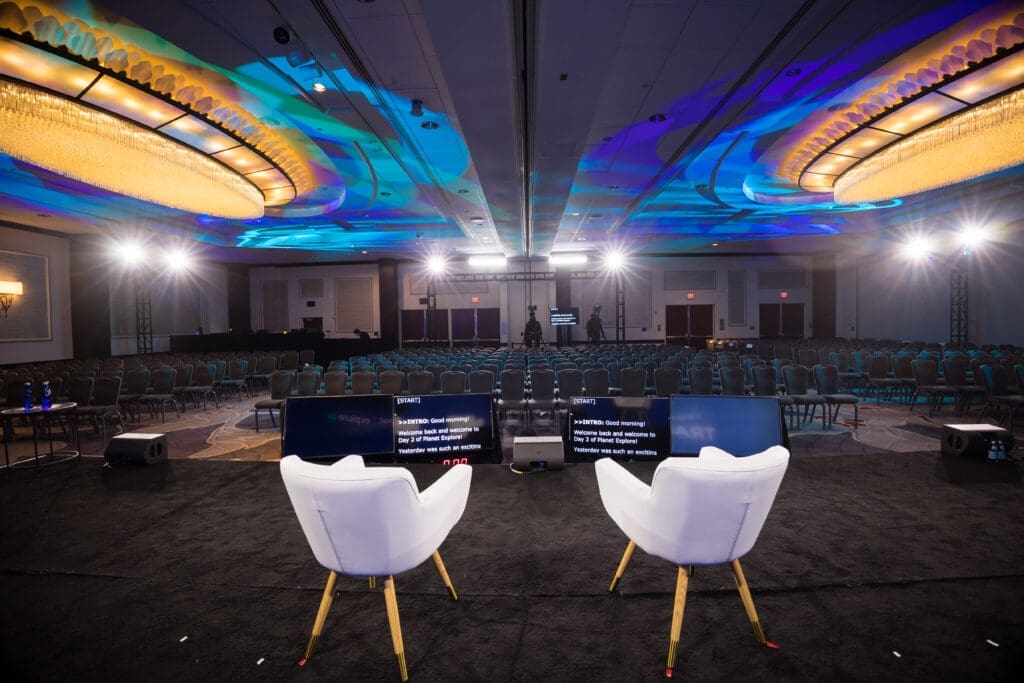
conference-event-photographers-Washington-DC
Event photography demands gear that’s fast, reliable, and adaptable—handling everything from dim conference rooms and stage lighting to outdoor galas and fast-moving crowds. The focus is on redundancy, quick handling, low-light performance, and minimizing downtime. Here’s a practical breakdown based on pro recommendations.
1. Camera Bodies: Prioritize Redundancy
- Two bodies minimum — One main and one backup. This is non-negotiable for events where you can’t afford to miss shots if something fails.
- Key features to look for:
- Excellent low-light performance (high ISO with clean results).
- Fast, reliable autofocus (eye/face detection is a game-changer for candids).
- High burst rate.
- Dual memory card slots (set one as backup, not overflow).
- Silent/shutterless modes for discreet shooting.
- Popular 2025–2026 choices: Full-frame mirrorless like Sony A7 series, Nikon Z6/Z8, or Canon R6 Mark II. Mirrorless systems dominate for their compactness and video hybrid capabilities (many clients want both stills and clips now).36
Tip: Match your backup body closely to your main one so muscle memory stays consistent.
2. Essential Lenses: Cover the Range Efficiently
A solid “holy trinity” or minimal kit covers most scenarios:
| Lens Type | Recommended Focal Lengths | Why It Matters for Events | Aperture Goal |
| Versatile Zoom | 24-70mm f/2.8 | Workhorse for everything: groups, candids, medium portraits | f/2.8 |
| Telephoto Zoom | 70-200mm f/2.8 | Reach for stage shots, details from afar without intruding | f/2.8 |
| Fast Prime | 35mm, 50mm, or 85mm f/1.4–1.8 | Low-light portraits, shallow depth of field, creamy bokeh | f/1.4–1.8 |
| Wide Option (if needed) | 16-35mm or 17-40mm | Large rooms, crowd overviews | f/2.8–4 |
- • Start simple: Many pros cover most events with just 24-70mm + 70-200mm.
- Primes shine indoors or for artistic candids.35
Pro Tip: Use lens straps or a dual-camera harness (e.g., BlackRapid or Peak Design) so you can quickly switch between wide and tele without digging in a bag.
3. Lighting: You’ll Need It More Than You Think
- On-camera flash is essential for most indoor events. Go with TTL for speed (e.g., Godox, Canon Speedlite, or Nikon equivalents). Carry at least two.
- Diffusers, bounce cards, and gels for color correction.
- Optional: Off-camera flash or portable LED panels for video/interviews or controlled fill.36
Backup Strategy: Always have spare flash batteries—they drain fast in continuous use.
4. Power, Storage & Data Redundancy
- Batteries: Multiple spares per body + charger. Charge everything the night before.
- Memory cards: Fast UHS-II or CFexpress cards. Use pairs and rotate them. Dual-slot backup on camera.
- On-site backup: Portable SSD or laptop for quick offloads if delivering real-time content.
- Avoid huge single cards—multiple smaller, high-speed ones are safer and often cheaper.7
5. Accessories That Make Life Easier
- Camera bag/backpack: Comfortable, weather-resistant, with quick-access pockets (e.g., Peak Design or Lowepro). Consider a sling or waist pack for mid-event swaps.
- Straps & support: Dual strap systems, monopod for stability in long sessions.
- Cleaning kit, lens filters (UV/protective), rain covers.
- Spare parts: Cables, adapters, multi-tool, gaffer tape.
- Weather protection if outdoors.15
6. Workflow & Buying Advice
- Buy last-gen pro gear used or discounted—it often performs nearly as well at a lower price.
- Test everything before a big gig. Know your kit inside out.
- For real-time delivery: Fast cards + efficient culling/editing tools on a laptop or tablet.
- Hybrid photo/video capability is increasingly important—many mirrorless bodies excel here.
Event Photojournalism.s approach is they runs two cameras with speedlights and dual-card bodies specifically to eliminate hesitation and technical failure risks during key moments.
Event gear isn’t about having the newest or most expensive items—it’s about reliability under pressure. Start with a strong 24-70mm + flash + backup body, then expand based on the events you shoot most.
If you want recommendations tailored to a specific budget, brand (Sony/Nikon/Canon/Fuji), or event type (corporate, weddings, conferences), or tips on a particular item, let me know! What’s your current setup?