Table of Contents
- 1. Start With a Realistic Event Photography Budget
- 2. Know Where to Look for Affordable Event Photographers
- 3. How to Compare Photographer Quotes Without Getting Fooled
- 4. Questions to Ask an Event Photographer Before You Book
- 5. Build an Event Photography Shot List That Prevents Overtime
- 6. Ways to Cut Costs Without Sacrificing Essential Coverage
- 7. Contract and Usage-Rights Checks Before You Sign
- Frequently Asked Questions
Last Updated: October 4, 2026
1. Start With a Realistic Event Photography Budget
Smart budgeting is the foundation of finding affordable event photographers in DC, and it starts long before you email anyone. Most organizers who overspend do so because they never defined a ceiling first.
At Event Photojournalism, we work with non-profits, associations, and corporate teams across the DMV area, and the pattern is consistent: the groups that brief us clearly spend less per usable image than the ones who book on price alone.
What Drives Event Photographer Cost in DC
Several factors move the number up or down, and understanding them makes negotiation easier:
- Coverage hours. A two-hour reception costs far less than an eight-hour conference.
- Number of photographers. Multi-room summits often need a second shooter.
- Editing and delivery speed. Rush turnaround usually carries a premium.
- Usage rights. Commercial and press licensing can change the quote.
Ask every photographer what the base rate includes before you compare totals. A lower hourly figure with paid editing, delivery, and travel can cost more than a higher all-in quote.
2. Know Where to Look for Affordable Event Photographers
The best starting point is a mix of directories and personal referrals, not a single search. Directories give you volume; referrals give you trust. Use both, then narrow the list.
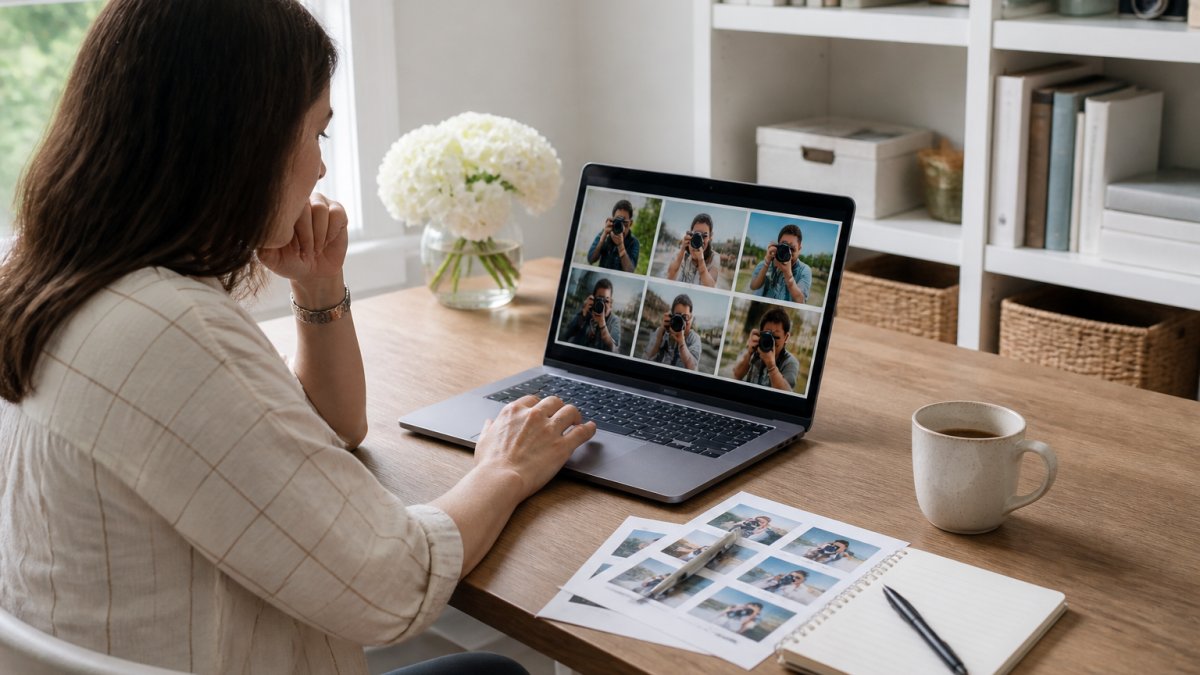
(https://www.snappr.com/best-photographers/washington-dc/event) publish a starting price, which gives you a baseline for comparison. Others, like Thumbtack, let you request estimates from several local photographers at once. Yelp’s DC search surfaces local listings you can cross-check against portfolios.
Community Reviews and Referrals in the DMV Area
Ask your peers at other associations and corporate communications teams who they used. Community reviews reveal reliability, punctuality, and how a photographer behaves around VIPs. A strong referral often beats a slick directory profile. Vetting vendors through these professional networks ensures that your photography team coordinates seamlessly with the corporate catering services providing the refreshments for your event.
3. How to Compare Photographer Quotes Without Getting Fooled
Comparing quotes line by line is the single most effective way to find affordable event photographers in DC without sacrificing quality. Most quotes look similar at a glance. The differences live in the details, and the only way to see them is to force every quote into the same shape before you decide.
Comparing only the headline price is the most common mistake. A cheaper quote that excludes editing, delivery, or a second shooter can end up costing more than a transparent higher quote.
Normalize Every Quote to the Same Unit
Before you build a table, convert each quote to a common unit so you are comparing apples to apples. The two most useful units are cost per coverage hour and cost per delivered edited image.
- Cost per coverage hour = total quote ÷ contracted on-site hours. This exposes quotes that look cheap because they only include two hours.
- Cost per delivered edited image = total quote ÷ guaranteed edited image count. This exposes quotes with a low hourly rate but a small gallery.
A quote at a low hourly rate with a 50-image cap can cost more per usable image than a higher hourly rate with a 300-image gallery. Run both numbers before you rank anyone.
Build a Line-by-Line Quote Comparison
Use a simple table to normalize every quote you receive. Fill in every cell. If a photographer won’t answer a line, treat that as a signal, not a rounding error.
| Line Item | Photographer A | Photographer B | Photographer C |
|---|---|---|---|
| Coverage hours included | |||
| Overtime rate (per hour) | |||
| Photographers on site | |||
| Second shooter fee (if any) | |||
| Edited image count (guaranteed) | |||
| RAW/unedited files included? | |||
| Delivery timeline (standard) | |||
| Rush delivery fee | |||
| Usage rights included | |||
| Additional licensing fee | |||
| Travel / parking / venue fees | |||
| Deposit required | |||
| Cancellation / reschedule terms | |||
| Total | |||
| Cost per coverage hour | |||
| Cost per delivered edited image |
Red Flags in a Quote
Watch for these patterns, which consistently show up when organizers end up paying more than expected:
- A low hourly rate with a high minimum. A photographer advertising a low rate but requiring a four- or six-hour minimum is not actually cheap for a two-hour reception.
- “Editing included” with no image count. Without a guaranteed number, the gallery size is at the photographer’s discretion.
- Usage rights sold separately. If the base quote covers personal use only, plan for an add-on before you publish anything in a press release or paid campaign.
- Travel quoted after booking. Ask for the travel line in writing before you compare totals, especially for venues outside the immediate metro area.
Ask for a Sample Gallery From a Similar Event
A portfolio shows the best work. A sample gallery from a comparable event, same venue type, same lighting conditions, same event format, shows what you will actually receive. Ask for one. If the photographer cannot produce a full gallery from a similar event, that is useful information before you sign.
Send every photographer the same one-page brief: date, venue, hours, approximate guest count, must-have shots, and intended use of the images. Quotes built from identical inputs are the only ones worth comparing.
4. Questions to Ask an Event Photographer Before You Book
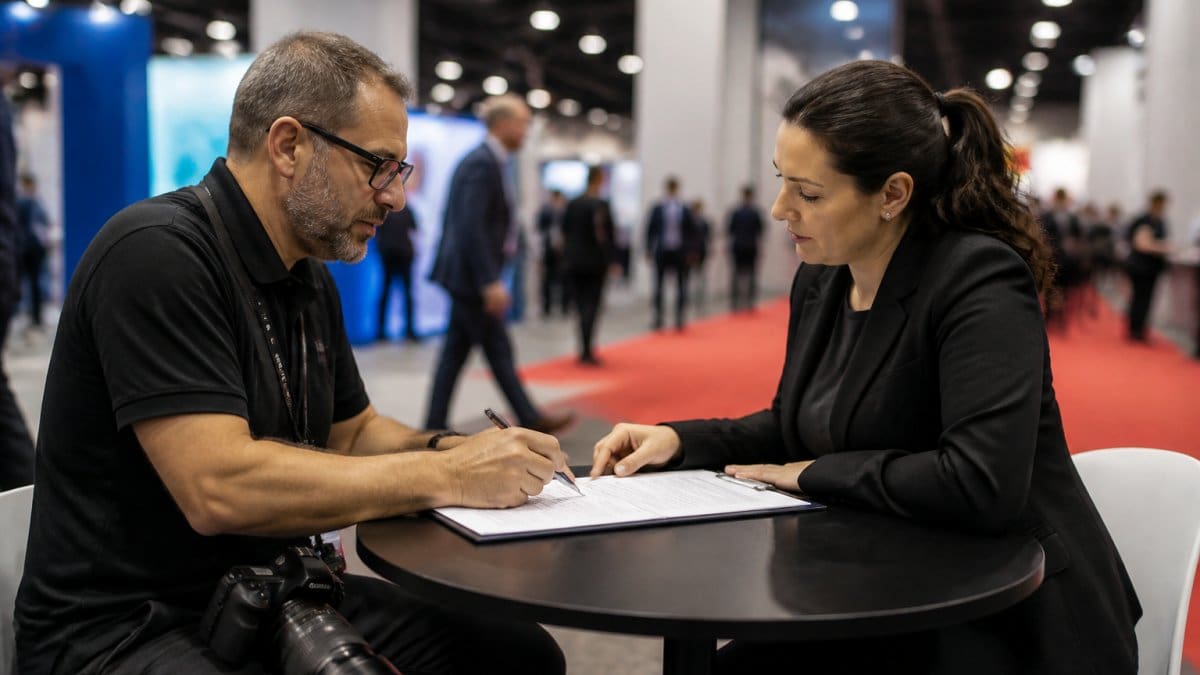
Direct questions surface the real cost and the real fit. Ask these before you sign:
- How many hours are included, and what is the overtime rate?
- How many edited images will we receive, and in what format?
- What is your turnaround time for a press-ready highlight set?
- Who owns the images, and what usage rights are included?
- Have you covered events like ours before?
- What is your backup plan if equipment fails?
The answers tell you whether the photographer understands your event, not just photography.
5. Build an Event Photography Shot List That Prevents Overtime
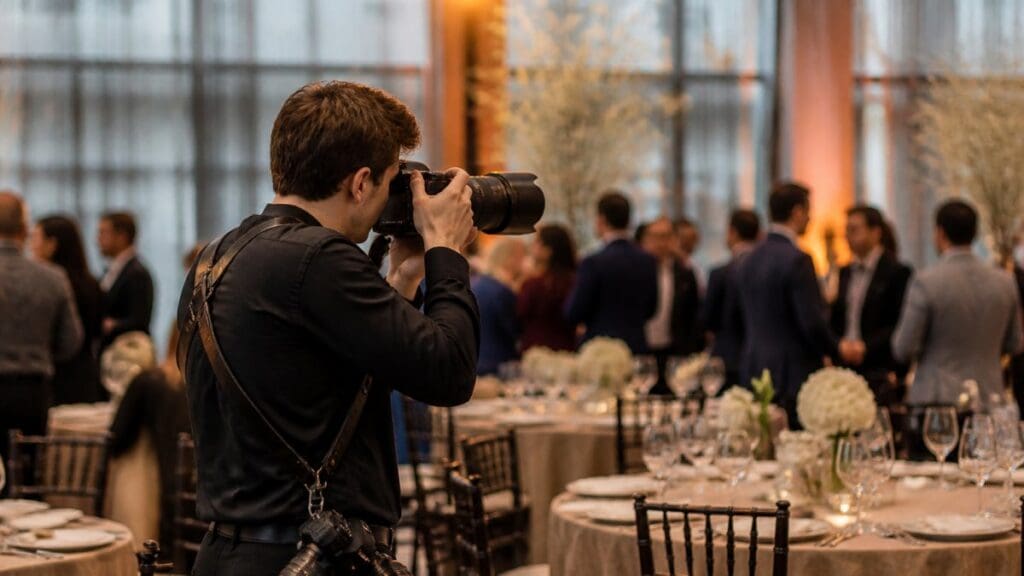
A clear shot list is a cost-control tool. When your photographer knows exactly what matters, they waste less time and you buy fewer hours. Build it with your team before the event.
Include:
- Must-have VIP and sponsor shots
- Candid moments during networking
- Wide shots that show the room at capacity
- Detail shots of signage, awards, and staging
A focused shot list reduces overtime and gives you a usable gallery faster. It is the cheapest upgrade you can make to any event photography budget.
6. Ways to Cut Costs Without Sacrificing Essential Coverage
You can lower the bill without losing the images that matter. The trick is to know which line items actually drive the total, then cut the ones that do not affect your essential coverage.
What Actually Drives the Final Price
Event photography quotes are built from a handful of cost drivers. Understanding each one tells you where there is room to negotiate and where there is not.
- Coverage hours. This is usually the largest single line. Most photographers price in blocks (for example, a two-hour minimum, then hourly after that). Trimming an hour of non-essential coverage, a long dinner, a slow registration period, is often the single biggest saving.
- Number of photographers. A second shooter roughly adds a full additional rate, plus sometimes a separate editing load. Multi-room conferences and large galas often need one; a single-room reception usually does not.
- Editing and retouching. Standard culling and color correction is typically bundled. Heavy retouching, skin work, or compositing is usually billed per image. If you only need a handful of hero images retouched, ask for that instead of a full-gallery retouch package.
- Delivery speed. Standard turnaround (often one to three weeks) is usually included. Rush delivery, a 24- to 48-hour press-ready set, typically carries a premium. If your press deadline is flexible, skip the rush.
- Usage rights. Personal and internal use is often included. Commercial, advertising, and broad press licensing may be priced separately. Be specific about where the images will appear so you only pay for the rights you need.
Trade-Offs That Preserve Essential Coverage
These are the levers that reduce cost without removing the images your event actually needs:
- Trim non-peak hours. Book coverage for the program, awards, and networking, not the entire evening. A focused three-hour window often captures everything a campaign needs.
- Choose off-peak dates. Weekday events and dates outside the busiest season are often quoted lower than peak weekend dates. If your event date is flexible, ask.
- Limit the retouch list. Request standard editing across the gallery and heavy retouching on a short list of hero images only.
- Skip the rush if you can. If your communications calendar allows a standard turnaround, you avoid the rush premium entirely.
- Share coverage with a partner organization. If two groups are hosting at the same venue on the same day, a shared booking can split the cost of a single photographer’s time.
Affordable Options Beyond Weddings
Affordable coverage is not just a wedding category. The same cost drivers apply to corporate events, nonprofit fundraisers, association conferences, birthday celebrations, and community gatherings. Consider:
- Mini-sessions for smaller board meetings or donor receptions.
- Shared coverage with a partner organization hosting the same venue.
- Portrait blocks instead of full event coverage when you only need headshots.
- Hourly booking for short programs rather than a full-day rate.
For a smaller non-profit, a two-hour candid session often delivers everything a fundraising campaign needs. At Event Photojournalism, we build customized solutions around your actual goals rather than a fixed package.
Cut hours, rush fees, and retouching before you cut the coverage that captures your program. The images that tell your story are the last thing to trim, not the first.
7. Contract and Usage-Rights Checks Before You Sign
Read the contract before you pay a deposit. Confirm the deliverables, the delivery date, and who holds the copyright. Usage rights determine whether you can use the images in a fundraising campaign, on LinkedIn, or in a press release. Get the license terms in writing.
Ask for a clause covering reshoots or a backup plan if images don’t meet the brief. A reputable photographer will put this in writing.
Frequently Asked Questions
How much does an event photographer cost in DC?
Published rates vary widely by coverage length, deliverables, and add-ons. Treat any published references as individual examples, not market averages, and request itemized quotes for your specific event.
How can I find an affordable event photographer without sacrificing quality?
Compare portfolios before prices. Ask each photographer for full event galleries, not just highlight reels, and check that the image quality holds up in low-light reception settings. Request itemized quotes so you can see what drives the cost, then compare coverage hours, edited image counts, and delivery timelines side by side. A lower hourly rate with weak deliverables often costs more in the end than a mid-range quote with clear terms.
What should I ask an event photographer before booking?
Ask who will actually shoot your event, how many edited images you receive, and when they will be delivered. Confirm whether travel fees apply across the DMV area, whether a second photographer is included, and what the backup plan is if the primary shooter gets sick. Also ask about usage rights for your annual report, press releases, and social media, plus whether rush delivery is available for next-morning highlights.
How can I compare event photographer quotes fairly?
Build a spreadsheet with one row per photographer and columns for coverage hours, number of edited images, delivery timeline, travel fees, second photographer, and usage rights. Convert every quote to a cost-per-covered-hour figure so you compare like with like. Flag any quote that omits deliverables or licensing terms, because those gaps usually turn into add-on charges after the event.
Can I negotiate an event photographer’s price?
Sometimes, especially for weekday events, shorter coverage windows, or multi-day programs. Photographers may offer custom rates for multi-day bookings, and off-peak dates often have more flexibility. The strongest lever is a clear brief: tell the photographer exactly what you need, from coverage hours to shot list, so they can trim unnecessary line items rather than discount blind. Ask what a smaller scope would cost before asking for a lower rate.
Finding affordable event photographers in DC comes down to preparation: a clear budget, a normalized quote comparison, and a contract that protects your usage rights. Event Photojournalism brings award-winning, high-resolution coverage to conferences, galas, and weddings across the DMV area, with customized solutions and fast, professional delivery. Contact us to build coverage that fits your event and your budget.