

Table of Contents
- Understanding Corporate Headshot Dress Codes
- Best Colors for Corporate Headshots
- Professional Headshot Outfit Ideas by Industry
- What Not to Wear for Your Headshot
- How to Prepare for a Professional Headshot Session
- Styling for Maximum Impact
- Conclusion
- Frequently Asked Questions
Last Updated: September 17, 2026
Understanding Corporate Headshot Dress Codes
Your headshot is often the first impression potential clients, colleagues, and employers will have of you. What you wear signals professionalism, competence, and alignment with your industry. The difference between a headshot that lands opportunities and one that gets overlooked often comes down to wardrobe choices made before you step in front of the camera.
Corporate headshots demand a different approach than casual portraits. You’re not dressing for comfort or personal style, you’re dressing for perception. According to professional photography guidance for 2026 headshots, clothing should fit well, as comfort is directly linked to the level of confidence displayed in the final photograph. That confidence shows up in your expression, your posture, and ultimately in how the image reads to viewers.
Your outfit needs to match both your industry’s expectations and your personal brand authenticity. A finance executive in a wrinkled shirt reads as careless; a tech professional in a three-piece suit reads as out of touch.
Business Professional vs. Business Casual
For headshots, the distinction between business professional and business casual still matters. Business professional means tailored blazers, structured silhouettes, and conservative color palettes. Business casual allows flexibility without a blazer, but must remain polished and intentional.
Corporate settings in finance, law, and government demand business professional. A tailored blazer is your anchor piece. For men, pair navy or charcoal with a pressed white or light blue dress shirt. For women, a tailored blazer over a structured top conveys authority. When clients dress one notch more formally than they think necessary, the results feel more powerful.
Business casual works for creative industries, startups, and relaxed corporate environments. Skip the blazer but maintain structure through fit and fabric quality. A well-fitted button-up, quality knit top, or structured dress works as your foundation.
Business casual means intentional casualness, not accidental carelessness. A wrinkled button-up or shapeless fabric reads as unfinished.
Best Colors for Corporate Headshots
Color choice directly impacts how your headshot reads on LinkedIn, in annual reports, and on websites. Neutral tones work best because they don’t distract from your face and they photograph consistently across different lighting conditions. According to professional photography guidance emphasizing neutral tones for corporate imagery, gray, navy, camel, taupe, and off-white are the safest choices for corporate imagery as they blend easily with various backgrounds.
Navy is the workhorse color for corporate headshots, professional, flattering, and beautiful under studio lighting. Charcoal gray is equally reliable and slightly more modern. Both anchor your image without competing for attention. Selecting the right neutral palette creates a solid foundation that pairs seamlessly with flattering posing tips for a polished final result.
Camel and taupe offer warmth while maintaining professionalism, ideal for industries where approachability matters: nonprofit leadership, education, coaching.
White and off-white work as accent pieces, not main colors. A white dress shirt under a blazer works perfectly; a white blouse alone can read as washed out under studio lighting.
Avoid busy patterns. According to Event Photojournalism recommendations for corporate headshots, solid colors or subtle patterns that complement your skin tone are advised while busy prints should be avoided. Stripes, plaids, and small geometric patterns can create visual noise in a headshot. If you want texture, choose a fabric with subtle weave or sheen rather than a printed pattern.
Bring a backup color option to your session. If your primary choice feels off under the studio lights, having a second neutral tone ready prevents reshoots and keeps the session moving.
Professional Headshot Outfit Ideas by Industry
Different industries have different unwritten uniform codes. Understanding your industry’s expectations helps you dress authentically while meeting professional standards.
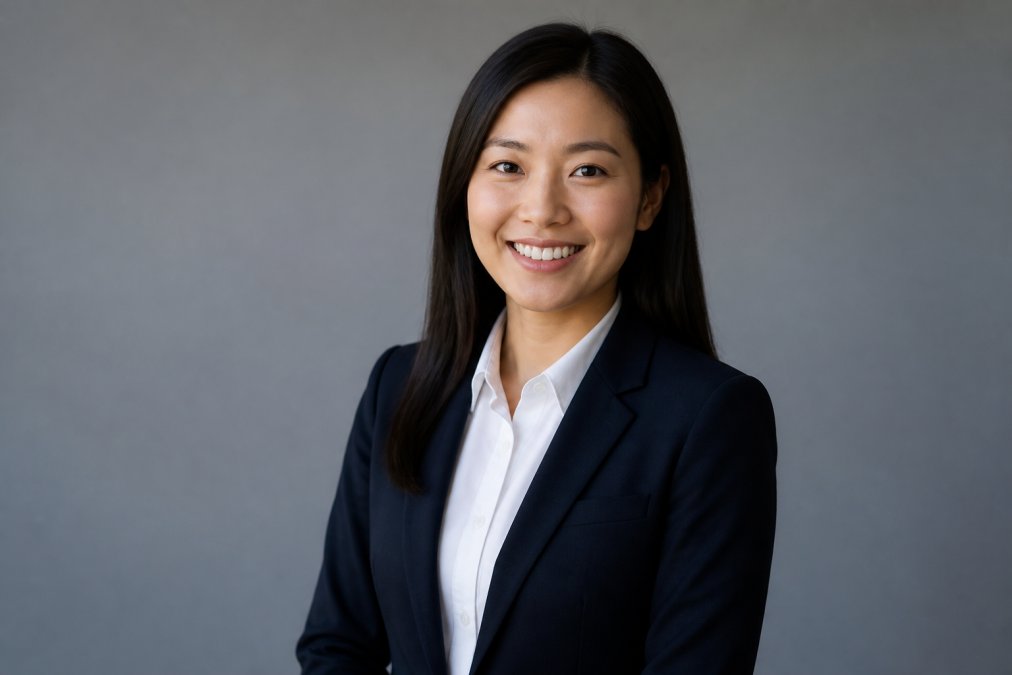
Corporate and Finance Roles
Corporate finance, banking, law, and government positions require a tailored blazer. For men, pair it with a conservative tie in classic stripes or small dots. For women, a blazer over a structured blouse or dress creates the same authority signal.
Accessories should be minimal and intentional: a simple watch, subtle jewelry, and polished shoes. Your headshot should reassure viewers that you take your role seriously.
When uncertain, dress up one notch. Slightly more formal always works better than slightly less formal in corporate headshots.
Tech and Creative Industries
Tech and creative industries allow more personality, but “casual” doesn’t mean careless. A well-fitted modern blazer, high-quality button-up, or structured sweater works. Emphasize polish over formality; clothes should look intentional and current.
Color flexibility increases in these industries. A charcoal blazer with a deep jewel tone or a structured dress in a sophisticated color reads as both creative and competent.
Tech and creative professionals are judged partly on staying current. Reflect that without veering into trendy territory, professional polish endures.
What Not to Wear for Your Headshot
Knowing what to avoid is as important as knowing what to wear. Certain choices actively undermine your professional image in a headshot.
Avoid anything too loose or too tight. Oversized clothing reads as sloppy; too-tight clothing creates visible tension. Your clothes should skim your body.
Skip busy patterns, large logos, and text. In a headshot, your face is the subject; everything else should support it, not compete.
Avoid clothes with wrinkles, stains, or visible wear. A headshot is a professional investment; your clothing should reflect that. Iron wrinkles, don’t wear frayed collars.
Skip anything that feels uncomfortable or inauthentic. Your discomfort will show in your expression. Dress professionally, but dress like yourself.
Avoid excessive jewelry, loud accessories, or anything that jingles. Keep accessories minimal and secure.
Avoid clothing in the exact same color as the background. If your photographer uses a gray background and you wear gray, you’ll blend into the background rather than standing out. Always ask your photographer what background color they’re using, then choose clothing that contrasts with it.
How to Prepare for a Professional Headshot Session
Preparation begins days before your session, not the morning of. Your headshot is only as good as the effort you invest in getting ready.
Select your outfit at least one week before your session. Try on options and photograph yourself in natural light. Phone cameras are honest about how colors read; if something looks off in a phone photo, it will look off in a professional headshot.
Iron everything the night before your session. Pay special attention to collars, cuffs, and shirt plackets. A wrinkled blazer reads as careless immediately.
Get a fresh haircut or style one to three days before your session. Three days is the sweet spot, fresh enough to look intentional, not so fresh it looks too sharp.
Fit, Grooming, and Final Details
Fit matters more than label. A well-fitted off-brand blazer outperforms an expensive ill-fitting one. When clothes fit properly, they photograph beautifully.
Professional grooming means clean skin, well-maintained hair, and neatly trimmed facial hair. The goal is to look like the best version of yourself, not like someone else.
For women, makeup should be slightly more dramatic than everyday, studio lighting can wash people out. For men, light moisturizer and concealer under the eyes help. The key is subtlety.
Check your nails. Clean, well-maintained nails register as professional.
Wear shoes you’re comfortable standing in. Uncomfortable shoes create tension in your posture, which shows in your expression.
The single most important preparation step is choosing an outfit that feels authentically professional for YOUR industry and role. An outfit you’re confident in will show in your expression and posture, making the photographer’s job easier and your final image stronger.
Styling for Maximum Impact
Your headshot styling should amplify your professional identity. Every element should work in service of your face and your brand.
Necklines, Layers, and Texture
Neckline choice affects how your face reads. Crew necks and mock necks frame the face neutrally. V-necks create vertical lines that elongate the face. Scoop necks project approachability.
Avoid necklines that are too high or too low. Choose one that feels comfortable and frames your face without calling attention to itself.
Layering adds visual interest and dimension.
Accessories and Jewelry Guidelines
Less is always more with accessories. A simple watch and single pair of earrings work better than multiple. A delicate necklace adds interest; a statement necklace competes with your face.
Conclusion
Your corporate headshot is a professional investment that will represent you across LinkedIn, your company website, conference materials, and industry directories. What you wear directly impacts whether that representation serves your career or holds it back. Choose clothing that’s tailored, neutral in color, and authentic to your industry. Prepare thoroughly, iron everything, groom intentionally, and try on your outfit in advance.
| Preparation Timeline | Action | When |
|---|---|---|
| One week before | Select outfit options and photograph in natural light | 7 days prior |
| Three days before | Get haircut or professional styling | 72 hours prior |
| Night before | Iron all clothing; check fit and details | Evening before |
| Day of session | Light grooming; wear comfortable shoes | Session day |
Frequently Asked Questions
What colors work best for corporate headshots?
Neutral tones, gray, navy, camel, taupe, and off-white, are the safest choices for corporate headshots because they blend easily with various backgrounds and keep focus on your face. These colors photograph well under studio lighting and convey professionalism across industries. Solid colors perform better than patterns because they don’t distract from your face or create visual noise in the final image.
Do I have to wear a suit for a professional corporate headshot?
Not necessarily. While business professional settings often call for blazers and button-ups, the requirement depends on your industry and role. Tech and creative industries allow for more casual, high-quality styling. The key is dressing in a way that authentically reflects your personal brand to potential clients, avoid overthinking the wardrobe or treating it like a costume.
What should I avoid wearing for professional headshots?
Skip busy prints, horizontal stripes, and small patterns that create visual noise on camera. Avoid overly casual items like t-shirts, tank tops, or athletic wear. Don’t wear anything too tight or too loose, fit directly affects how confident you appear in the photograph. Steer clear of distracting jewelry, loud colors, or anything that doesn’t align with your industry’s professional standards.
How should I prepare for a professional headshot session?
Ensure all clothing is pressed and fits well, comfort is directly linked to the confidence displayed in your final photograph. Plan your grooming ahead of time, including hair and makeup. Arrive well-rested and hydrated.
