Table of Contents
- What Event Photography Services for Conferences Actually Cover
- Building Your Conference Photography Shot List
- Technical Requirements for Conference Venue Photography
- Event Photography Deliverables: What You Should Receive
- How to Hire an Event Photographer for Your Conference
- Corporate Event Photography Pricing: What to Expect
- The ROI of Professional Event Photography Services for Conferences
- Conclusion
Last Updated: June 12, 2026
Good conference photography is one of those investments that reveals its value slowly, then all at once. Event photography services for conferences cover far more ground than most planners realize when budgeting, and the difference between a mediocre shoot and a genuinely useful one often comes down to preparation. At Event Photojournalism, we’ve worked across hundreds of corporate events, galas, and business conferences throughout the DMV area, and the questions planners ask most often are the same ones this guide answers directly. Below, we’ll walk through what professional conference photography includes, how to brief your photographer, what deliverables to expect, and how to turn those images into lasting marketing assets.
Here’s what most guides get wrong: they treat conference photography as a commodity. It isn’t. A skilled conference photographer is part documentarian, part brand strategist, and part logistical problem-solver working in real time.
What Event Photography Services for Conferences Actually Cover
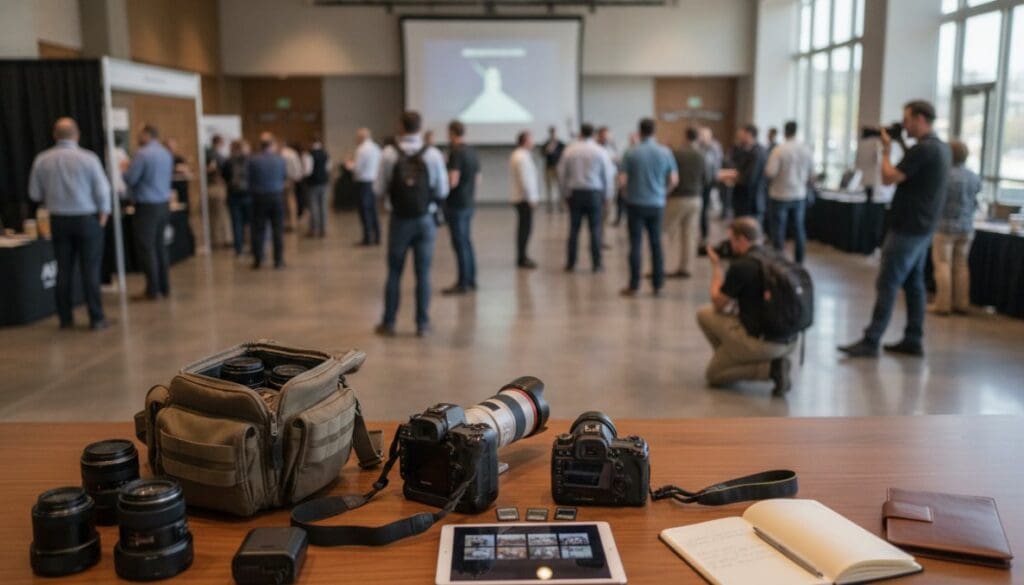
Professional event photography services for conferences are a comprehensive documentation and brand asset creation service, not simply a hired camera operator. Coverage typically spans the full arc of an event: pre-session setup and registration, keynote speaker coverage, breakout sessions, networking moments, award presentations, and closing remarks.
According to Content Marketing Institute’s guide on event content strategy, event documentation is among the highest-ROI content types for B2B organizations because the same images serve multiple channels simultaneously.
Types of Events and Sessions Covered
A full-service conference photographer handles many session formats within a single event:
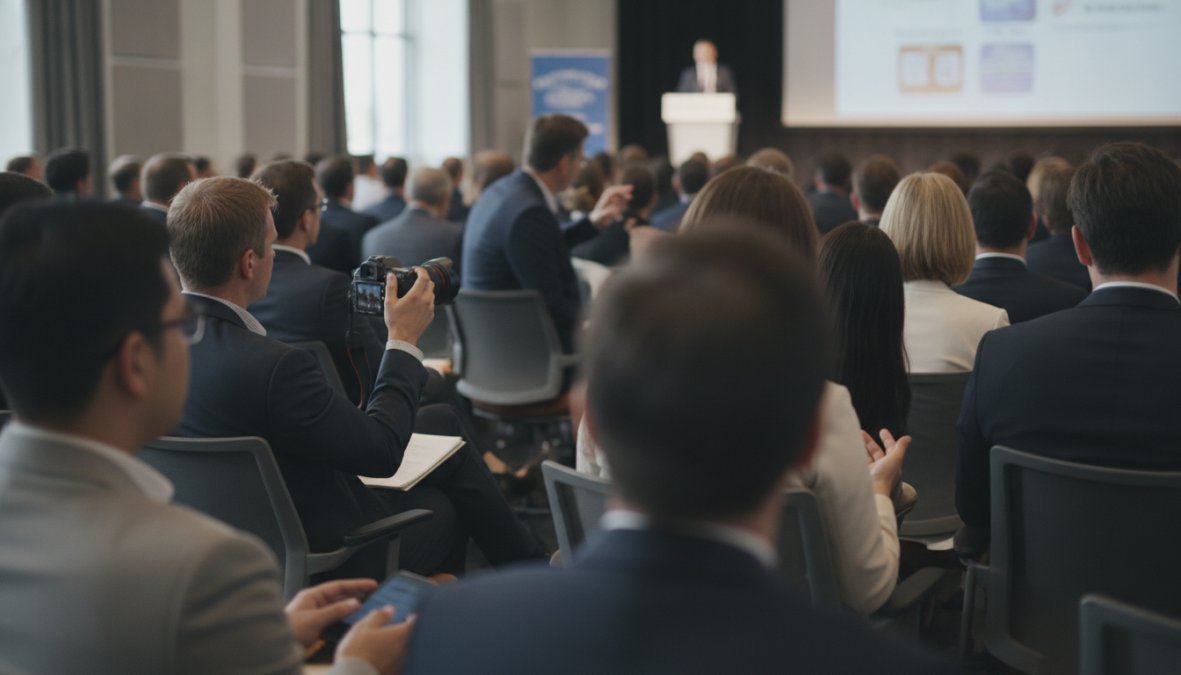
- General sessions and keynote stages: Wide establishing shots, close-up speaker portraits, and audience reaction shots
- Breakout sessions and workshops: Candid guest interactions, presenter-participant dynamics, whiteboard work
- Trade show and expo floors: Booth detail shots, brand signage, attendee engagement at displays
- Networking receptions: Candid moments, group portraits, environmental context
- Awards nights and galas: Stage presentations, winner reactions, table and room atmosphere
- Executive headshots and group portraits: Formal setups, consistent background, professional lighting
A photographer covering a multi-track conference needs to prioritize intelligently, which is why pre-event briefing matters more than most clients expect.
Corporate Event Photography vs. Private and Gala Events
Corporate event photography and gala or private event photography share technical overlap but differ sharply in purpose. Corporate work prioritizes brand photography and event marketing assets, images that will appear in press releases, annual reports, LinkedIn posts, and sales decks. Gala photography, by contrast, leans into atmosphere, emotion, and individual recognition, capturing the personal significance of each moment rather than brand context. Planners who conflate the two often end up with images that don’t serve either purpose well.
When briefing a photographer for a corporate conference, specify whether images are for internal use, external PR, or social media sharing. Each use case changes which moments to prioritize and how tightly to frame them.
Building Your Conference Photography Shot List
Most conference photography problems trace back to a missing or vague shot list. A shot list is a pre-event document that specifies every image type, subject, and moment the photographer must capture, ranked by priority.
Essential Shots Every Conference Photographer Should Capture
The core shot list for any corporate conference photography engagement should include:
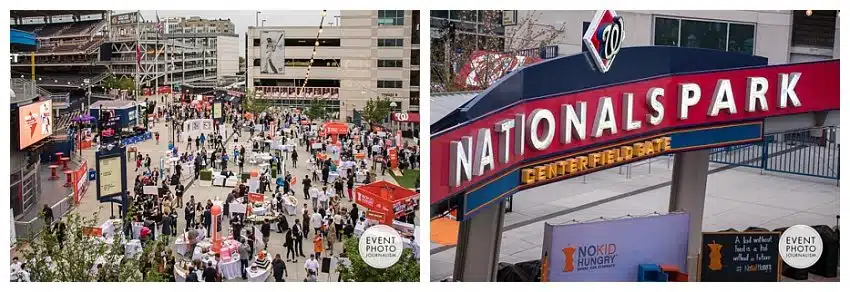
- Venue exterior and entrance signage before attendees arrive
- Registration and badge pickup area with staff interaction
- Full room establishing shot before the keynote begins
- Keynote speaker at the podium, wide and tight
- Audience engagement shots: note-taking, applause, reaction
- Panel discussions: full panel and individual speaker close-ups
- Breakout session coverage: presenter and participants
- Sponsor and exhibitor booths with attendee interaction
- Networking and coffee break candid guest interactions
- Group portraits of leadership, sponsors, or specific delegations
- Detail shots: branded materials, centerpieces, signage, catering
- Closing session and any award presentations
Events with trade show components, live demonstrations, or VIP dinners need additional categories layered in.
Photography Brief Template: What to Send Before the Event
A photography brief is the single document that separates a smooth shoot from a chaotic one. Send it at least five business days before the event. Here’s a working template:
Conference Photography Brief
- Event name and date:
- Venue name, address, and room layout:
- Event schedule with session times and locations:
- Key contacts on-site (name, mobile number):
- Must-capture moments (ranked by priority):
- VIPs, executives, or speakers requiring guaranteed coverage:
- Restricted areas or sessions (legal, confidentiality):
- Brand guidelines (colors, logo placement, tone):
- Deliverable format and turnaround expectation:
- Social media sharing permissions and hashtags:
- Any competing events or parallel sessions:
Photographers who receive a brief like this arrive prepared. Those who don’t often spend the first hour resolving logistics that should have been settled in advance.
Technical Requirements for Conference Venue Photography
Conference venues present specific technical challenges that separate experienced event photographers from general practitioners: lighting, space constraints, and access timing.
Most convention halls and hotel ballrooms use mixed lighting, stage wash lights, ambient ceiling lighting, and natural light from windows. A photographer without strong low-light capabilities will produce grainy, color-cast images that look unprofessional in any marketing context. Space constraints require longer lenses for keynote coverage and the discipline to capture candid moments without disrupting attendees. Arriving 60-90 minutes before doors open allows the photographer to capture clean venue shots, test lighting conditions, and coordinate with AV teams about stage lighting changes.
According to Professional Photographers of America’s event photography guidelines, pre-event venue walkthroughs are considered a professional standard for any conference or corporate event engagement. Planners should confirm this is part of their photographer’s process before booking.
Never assume a venue’s house lighting will be adequate for photography. Request the lighting plot from the AV team in advance and share it with your photographer. Surprises at load-in cost time and compromise image quality.
Event Photography Deliverables: What You Should Receive
Event photography deliverables should be specified in writing before the contract is signed. A professional engagement should include:
- High-resolution digital files in JPEG format (minimum 300 DPI for print use)
- Web-optimized versions for social media sharing and digital distribution
- True-to-color editing with consistent exposure and white balance across the gallery
- Online gallery with password-protected access and download capability
- Usage rights clearly defined for corporate branding and marketing use
- Culled and edited selection (not raw unedited files unless specifically negotiated)
A full-day conference with multiple sessions typically yields several hundred professionally edited images. Planners should ask for a realistic estimate upfront rather than assuming a specific number.
Turnaround Time and Online Gallery Delivery
Standard delivery runs five to ten business days after the event. Expedited or same-day delivery is available from some providers and is particularly valuable for events with press coverage or immediate social media needs. Event Photojournalism delivers high-resolution digital files through a branded online gallery; for conferences with active social media teams, a curated set of 20-30 images within 24 hours can significantly extend the event’s digital reach.
Platforms like Pixieset’s client gallery platform have become a standard delivery method, offering password-protected galleries with direct download and print ordering built in.
How to Hire an Event Photographer for Your Conference
The most common mistake planners make is evaluating portfolio aesthetics without assessing operational fit. A photographer who produces beautiful wedding images may lack the logistical discipline required for a 500-person multi-track conference.
Ask these questions before signing any contract:
- Can you share examples of multi-session conference coverage (not just single-speaker events)?
- How do you handle simultaneous sessions when you’re working alone?
- What is your process for receiving and using a shot list?
- What equipment do you carry as backup in case of gear failure?
- How do you handle low-light ballroom or stage lighting?
- What is your standard turnaround time, and what are your expedited options?
- Do you have liability insurance and have you worked at this venue before?
Professionalism shows in how a photographer answers operational questions, not just in how their photos look. Anyone who struggles with the logistics questions is a risk at a large event. For destination events, confirm travel logistics, accommodation expectations, and whether additional fees apply.
Corporate Event Photography Pricing: What to Expect
Corporate event photography pricing varies based on event length, coverage scope, number of photographers, deliverable specifications, and turnaround requirements.
| Factor | Lower Cost | Higher Cost |
|---|---|---|
| Coverage duration | Half-day (4 hrs) | Full day + evening (10+ hrs) |
| Number of photographers | Solo photographer | Two-photographer team |
| Turnaround time | Standard (5-10 days) | Same-day or 24-hour delivery |
| Deliverable scope | Edited gallery only | Gallery + social media edits + print files |
| Event complexity | Single-room conference | Multi-track, multi-venue conference |
Many planners underestimate the cost of post-production. Editing several hundred images to a consistent standard takes significant time; services like ShootDotEdit’s professional photo editing service are commonly used by photographers to maintain quality on high-volume conference work. Request itemized quotes from multiple photographers, the line items reveal what’s actually included and make true cost comparisons possible.
The lowest quote for conference photography almost always means fewer edited images, slower turnaround, or less experienced coverage. Price the deliverables you actually need, not just the hourly rate.
The ROI of Professional Event Photography Services for Conferences
Treating conference photography as a cost center rather than a content investment leads to underbudgeting and underutilizing the images you receive.
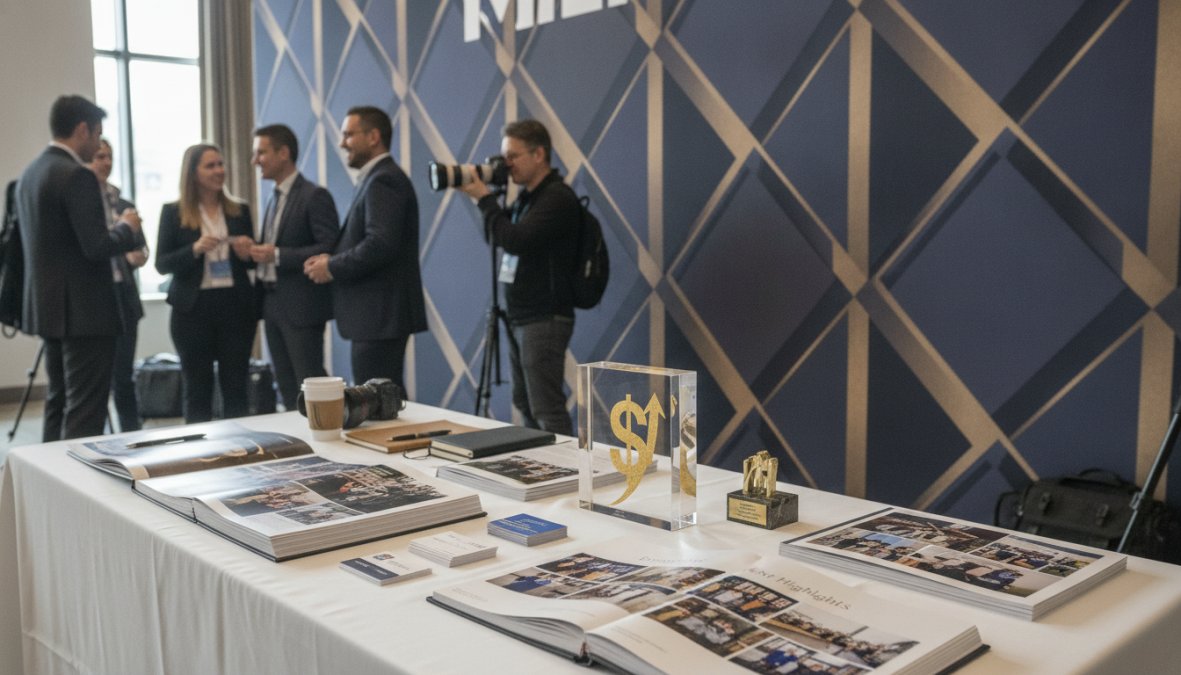
The same shoot produces speaker headshots, social media content, press release images, website photography, email newsletter assets, and internal communications materials. When you calculate cost against total asset value across all those uses, the per-asset cost is typically very competitive compared to commissioning each content type separately. According to LinkedIn’s B2B marketing insights on visual content performance, posts with professional imagery consistently outperform text-only content in engagement across business audiences, making this year’s photography one of the most persuasive tools for promoting next year’s event.
Post-Event Content Strategy: Turning Photos Into Marketing Assets
A structured post-event content strategy extracts full value from the photography investment.
Immediate use (0-48 hours post-event):
- Social media recap posts with event hashtag
- Speaker thank-you posts tagging presenters and sponsors
- LinkedIn updates from organizational accounts
Short-term use (1-4 weeks post-event):
- Blog recap with embedded gallery
- Email newsletter feature
- Press release with key moments and speaker images
Long-term use (ongoing):
- Website "Events" or "About" section photography refresh
- Next year’s event promotional materials
- Sales deck and investor presentation imagery
- Annual report and corporate branding collateral
- Speaker bureau profiles and bio pages
The planners who get the most from their conference photography investment are those who brief their marketing team on the shot list before the event, not after. When the marketing team knows what content they need, the photographer can be briefed to capture it intentionally.
Conference photography is one of the few marketing investments that produces assets you’ll still be using two years after the event. The challenge is finding a photographer who understands both the technical demands of conference venues and the strategic requirements of corporate branding. Event Photojournalism brings award-winning photography expertise and customized solutions to conferences, galas, and corporate events across Washington DC and Northern Virginia, delivering high-resolution digital files designed to elevate your brand and amplify your message. CONTACT US to discuss your upcoming conference and receive a tailored coverage proposal.
Frequently Asked Questions
What should be included in a conference photography package?
A professional conference photography package should include full event coverage, keynote speaker and session photography, candid guest interactions, group portraits, detail shots, and sponsor signage. Deliverables typically include high-resolution digital files, true-to-color editing, and delivery via a private online gallery. Turnaround time, usage rights, and the number of edited images should all be clearly outlined in the contract before your event.
How much do event photography services for conferences cost?
Corporate event photography pricing varies based on event duration, photographer experience, number of shooters, and deliverables. Half-day conference coverage generally starts at a few hundred dollars, while full-day or multi-day events at large convention venues can run into the thousands. Factors like same-day image delivery, additional editing, or destination events will affect the final price. Always request a custom quote based on your specific event logistics and content needs.
How far in advance should I book conference photography services?
For corporate conferences, trade shows, and large-scale events, booking your conference photographer at least four to eight weeks in advance is strongly recommended. High-demand periods, such as spring and fall conference seasons in markets like Washington DC, can see experienced photographers booked out months ahead. Early booking also allows time to share a photography brief, finalize the shot list, and align on event logistics before the day arrives.
What kind of shots are essential for conference photography?
A strong conference photography shot list should include wide establishing shots of the venue, keynote speaker coverage from multiple angles, candid guest interactions during networking sessions, panel discussions, awards presentations, group portraits of key stakeholders, sponsor and branding detail shots, and audience reaction moments. These images serve both event documentation purposes and function as event marketing assets for post-event social media sharing, press releases, and future promotional materials.
How do I find and hire a professional event photographer for a conference?
Start by reviewing portfolios that show real conference and corporate event photography, not just weddings or portraits. Look for demonstrated low-light capabilities, experience with keynote speaker coverage, and a professional approach to event logistics. Ask about turnaround time, deliverable formats, and whether they provide high-resolution digital files. Request references from similar corporate events, confirm they carry liability insurance, and send a detailed photography brief before signing any contract.
This article was written using GrandRanker