Table of Contents
- What Is Documentary Style Event Photography
- How to Find a Documentary Style Event Photographer: A Step-by-Step Approach
- Documentary Event Photography Portfolio Examples: What to Look For
- Questions to Ask Your Event Photographer Before Hiring
- Documentary vs Traditional Event Photography: Key Differences
- Red Flags and Contractual Concerns to Avoid
- Budgeting for Documentary Style Event Photography
- Common Mistakes When Hiring a Documentary Photographer
Last Updated: June 26, 2026
What Is Documentary Style Event Photography
Documentary style event photography captures authentic moments as they unfold naturally, prioritizing candid storytelling over posed arrangements. Unlike traditional event photography that relies on staged setups, documentary photographers work as visual storytellers, observing genuine emotions, interactions, and decisive moments that define your event’s true narrative.
This approach has roots in photojournalism, focusing on the essence of humanity, laughter during toasts, tears of joy, unguarded conversations. The key difference lies in philosophy: traditional photography asks subjects to hold still and smile, while documentary photography asks what’s actually happening and what story is unfolding. Documentary photographers use faster film speeds, wider apertures, and continuous shooting modes to capture fleeting moments without disrupting natural flow.
The best documentary photographers shoot with anticipation, not reaction. They position themselves where moments are likely to happen, near the bar during toasts, at the entrance during arrivals, in corners where genuine conversations happen.
How to Find a Documentary Style Event Photographer: A Step-by-Step Approach
Finding the right documentary style event photographer requires understanding your storytelling needs, researching qualified professionals, and vetting both technical competency and creative vision. This process typically takes 2-4 weeks if you start 3-4 months before your event.
Step 1: Define Your Event’s Storytelling Needs
Before searching for candidates, clarify what story you want told. A corporate gala emphasizes professional networking and brand moments. A wedding highlights emotional connections and family dynamics. A conference focuses on speaker moments and attendee engagement.
Write down 3-5 specific moments that matter most to you. For a wedding: first look, ceremony reactions, first dance, parent reactions. For a corporate event: keynote speaker, networking scenes, award presentations, candid team moments. This list becomes your evaluation framework.
Consider the visual style you’re drawn to and identify technical requirements. Will you need coverage of multiple simultaneous events? Specific lighting conditions? Drone footage or video alongside stills? Be specific about what you actually need.
Your storytelling needs are the foundation for every decision that follows. Spend time getting clear on what you want before evaluating portfolios.
Step 2: Research Photographers and Review Portfolios
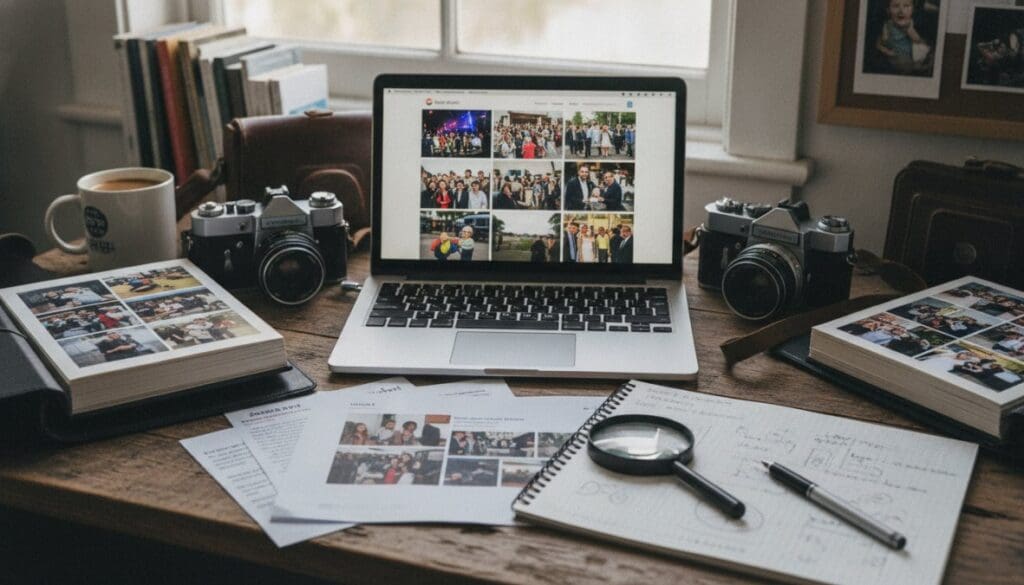
Search for "documentary event photographers" in your geographic area. Check Instagram, photography association websites, and referral networks. When reviewing portfolios, study closely rather than scan. Download 10-15 images from their event work and examine them carefully for consistency in approach.
Pay attention to what’s missing. Are there candid moments or mostly posed portraits? Do you see genuine emotional reactions or primarily smiling subjects? Check if they have dedicated event portfolios or if you’re seeing mixed work. Specialists in documentary event photography will have deep portfolios focused on your event type.
Research their background and credentials. How long have they been shooting events? Are they members of professional organizations? According to Professional Photographers of America industry standards, photographers with 5+ years of specialized event experience show significantly different technical consistency than those with shorter tenures.
Step 3: Evaluate Technical Competency
Documentary style doesn’t mean technical mediocrity. The best documentary photographers must have exceptional technical skills to capture fleeting moments in challenging lighting without the safety net of posed setups.
Examine portfolio images for technical excellence: proper exposure across different lighting conditions, sharp focus on the subject’s eyes or emotional center, consistency across varied lighting conditions, and strong dynamic range handling in mixed-light situations. Ask direct questions about camera systems, backup equipment, and focus techniques in continuous shooting mode.
Be cautious of portfolios that show primarily posed moments labeled as “documentary.” True documentary photographers have portfolios full of unplanned, unposed moments. If you’re seeing mostly smiling-at-camera shots, that’s traditional event photography, not documentary style.
Step 4: Assess Creative Vision and Artistic Style
Evaluate whether the photographer’s creative vision aligns with your event’s needs and aesthetic. Study their portfolio for visual storytelling patterns and evidence of anticipation and timing. Look for how they handle downtime and transitions, a strong artistic vision transforms these moments into compelling images rather than filler.
Consider their approach to composition and ask the photographer about their artistic influences and approach. A photographer who can articulate their vision clearly will likely deliver more intentional, cohesive work.
Documentary Event Photography Portfolio Examples: What to Look For
When evaluating a photographer’s portfolio, focus on specific visual and narrative elements that distinguish strong work from average documentation.

(/event-photography-complete-guide/) Portfolio Examples: What to Look For]
Candid Moments and Authentic Emotions
The strongest documentary portfolios show genuine, unguarded human moments. Look for images where people have forgotten the camera exists, mid-laugh rather than posed smiles, tears of joy during emotional moments, concentrated focus during speeches, natural body language between friends and family.
Authentic emotion is recognizable. A genuine smile involves the eyes (crow’s feet visible), not just the mouth. Real laughter shows movement and energy. Pay attention to the range of emotions captured and moments of connection between people, hand touches, shared glances, physical proximity that shows relationship and intimacy.
Technical Excellence and Consistency
A strong documentary portfolio demonstrates technical mastery across challenging conditions. Look for proper exposure in mixed lighting, indoor events with windows, ballrooms with stage lighting, and outdoor venues at golden hour. Check that colors are accurate and skin tones look natural.
Examine sharpness throughout the portfolio. In candid moments, focus should consistently land on the subject’s eyes or the emotional center of the action. Professional documentary photographers maintain 70%+ sharpness in their final portfolios. Also evaluate consistency in post-processing, colors should feel cohesive and contrast levels should be intentional.
Narrative Strength and Visual Storytelling
The best documentary portfolios tell complete stories, not just collect individual moments. When viewing a photographer’s event work, can you understand the narrative arc? Look for evidence of intentional sequencing and anticipation. Examine the breadth of coverage and how the photographer captures context through environmental shots that show the venue, lighting, and atmosphere.
Questions to Ask Your Event Photographer Before Hiring
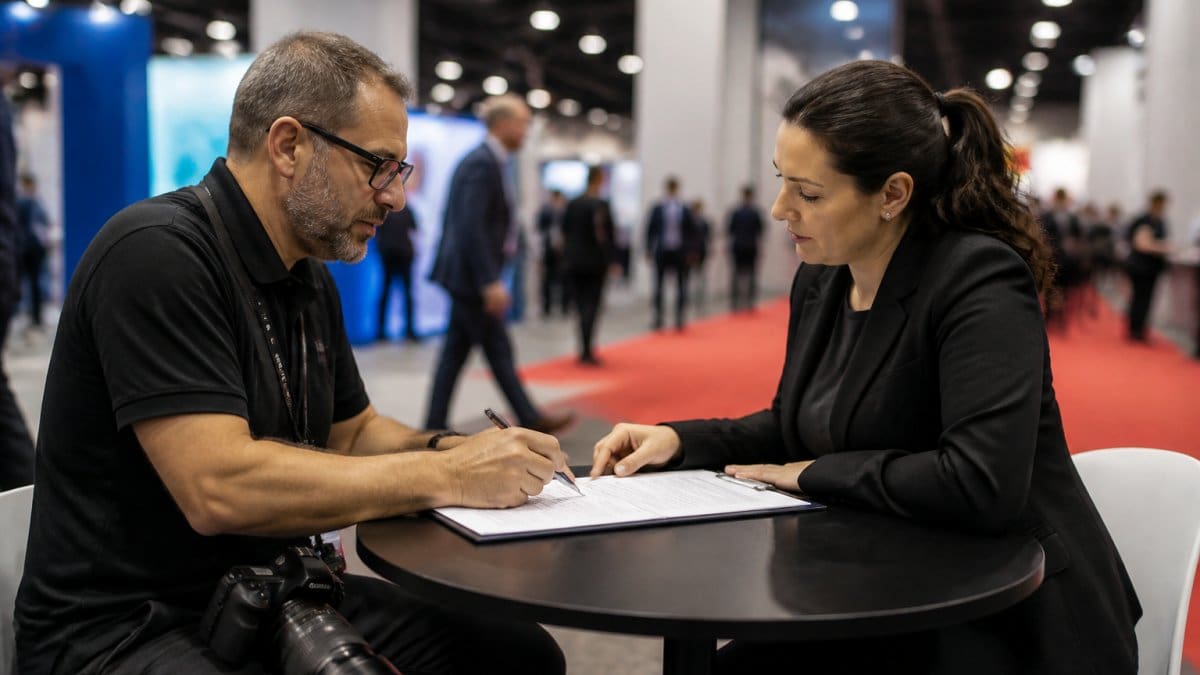
Before committing to hiring, conduct a detailed consultation. These conversations reveal how the photographer approaches your specific event and whether you’ll work well together.
Experience and Approach Questions
"How many events similar to mine have you photographed?" Ask for numbers specific to your event type. "Walk me through how you’d approach my event." Listen for evidence of planning and anticipation. "What’s your backup plan if equipment fails?" Professional photographers carry backup cameras, lenses, and memory cards. "How do you handle direction without staging?" Documentary photographers shouldn’t direct subjects into poses, but they do occasionally need to ask people to repeat moments or move slightly for better light. "What’s your style when it comes to posed moments?" Even documentary photographers may need to capture some intentional moments.
Contractual and Deliverable Questions
"What’s included in your package?" Get specifics on hours of coverage, number of final edited images, format, resolution, and delivery timeline. "What’s your cancellation and rescheduling policy?" Understand your recourse if circumstances change. "Do you retain copyright, or do I?" Some photographers retain copyright and license images to you. Others transfer copyright. "When will I receive edited images?" Ask for specific timelines. "Do you offer digital copies, prints, or albums?" Clarify what’s included and what costs extra. "What happens if I’m not satisfied with the images?" Ask about revision policies and how many revision rounds are included.
The questions you ask before hiring reveal how professional and organized a photographer is. Vague, evasive answers are red flags.
Documentary vs Traditional Event Photography: Key Differences
Understanding the distinction between documentary and traditional event photography helps you make an informed decision about which style serves your event best.
Documentary event photography prioritizes candid, unposed moments that reveal authentic emotion and narrative. The photographer works as an observer, anticipating moments and capturing them as they naturally unfold. Traditional event photography emphasizes posed, coordinated moments and formal portraits, with the photographer directing subjects into positions.
| Aspect | Documentary Style | Traditional Style |
|---|---|---|
| Moment capture | Unposed, candid, anticipated | Posed, directed, planned |
| Photographer role | Observer, storyteller | Director, coordinator |
| Image feel | Raw, spontaneous, authentic | Polished, controlled, formal |
| Key moments | Emotional peaks, genuine reactions | Coordinated group photos, portraits |
| Lighting approach | Works with available light | Controls and augments lighting |
| Post-processing | Mood-focused, sometimes moody tones | Clarity-focused, bright and clean |
| Coverage approach | Full narrative arc | Highlight moments and portraits |
| Best for | Weddings, galas, conferences | Corporate portraits, formal events |
Neither approach is objectively superior. The right choice depends on your event’s nature and your priorities. Some photographers blend both approaches, offering documentary coverage of candid moments plus some coordinated group photos and portraits.
Red Flags and Contractual Concerns to Avoid
When evaluating photographers, watch for warning signs: vague pricing or unclear deliverables, no backup equipment or plan, portfolio that doesn’t match your event type, unwillingness to discuss their approach, extremely low pricing compared to market rates, no written contract or vague contract language, unwillingness to provide references, and poor communication or slow response times.
The most expensive mistake is hiring the wrong photographer. A cheap rate on a photographer who doesn’t understand documentary style costs far more than hiring a qualified professional.
Always get a contract in writing. Review it carefully for cancellation policies, deliverable timelines, copyright ownership, and revision policies.
Budgeting for Documentary Style Event Photography
Documentary style event photography typically costs between $2,000 and $8,000+ for full-day coverage, depending on experience level, geographic location, and event scope.
Experience level drives pricing significantly. Emerging photographers with 2-3 years of event experience charge $1,500-$3,500 per event. Mid-level photographers with 5-10 years charge $3,500-$6,000. Highly experienced photographers charge $6,000-$15,000+. Geographic location affects rates, major metropolitan areas command higher rates than smaller cities. Event scope and duration matter: a 4-hour corporate cocktail reception costs less than a 12-hour wedding. Deliverable scope impacts pricing, and rush delivery or travel costs extra.
When budgeting, consider how many hours of coverage you need, whether you need one photographer or multiple, what format you need, when you need final images, and whether travel is involved. Quality documentary photography requires skill, experience, and time-intensive post-processing.
Common Mistakes When Hiring a Documentary Photographer
Understanding common hiring mistakes helps you avoid them: choosing based primarily on price, not reviewing enough portfolio work, ignoring communication style during consultation, mismatching photographer style to event needs, failing to get a detailed contract, not checking references, choosing based solely on Instagram aesthetic, assuming all documentary photographers work the same way, and not discussing services until the last minute.
Start your search 3-4 months before your event. This timeline allows thorough vetting and prevents settling for available photographers who aren’t ideal fits.
Finding the right documentary style event photographer requires clarity on your storytelling needs, thorough portfolio review, and careful vetting of technical competency and creative vision. The process takes time, but it determines whether your event’s authentic moments are captured with artistic excellence or missed entirely. Event Photojournalism specializes in documentary coverage for corporate conferences, galas, and weddings across the DMV area, combining award-winning technical expertise with the artistic vision to capture genuine moments that reveal the essence of your event. CONTACT US to discuss how documentary coverage can transform your event into lasting visual assets that preserve your event’s true narrative.
Frequently Asked Questions
What is documentary style event photography and how does it differ from traditional photography?
Documentary style event photography focuses on capturing candid, unposed moments that tell the authentic story of your event. Rather than staging posed shots, documentary photographers use observation and anticipation to capture the essence of what's actually happening, genuine emotions, interactions, and decisive moments. This photojournalistic approach creates a narrative visual story that feels raw and spontaneous, whereas traditional event photography typically relies on posed group shots and planned compositions.
What should I look for in a documentary event photographer's portfolio?
Examine portfolios for evidence of candid, authentic moments rather than posed setups. Look for consistent technical quality across different lighting conditions, strong composition that shows artistic vision, and clear narrative storytelling. The best portfolios demonstrate the photographer's ability to anticipate and capture decisive moments, those fleeting instances of genuine human connection. Check whether their work shows variety in events and consistently captures the essence of what happened, not just pretty pictures.
What questions should I ask a documentary photographer before hiring them for my event?
Ask about their experience with your event type, their observation and anticipation style, backup equipment and contingency plans, final deliverable format and timeline, image rights and usage restrictions, and their approach to handling challenging lighting. Inquire about whether they provide a shot list or prefer complete creative freedom, how they handle retouching, and what happens if they become unavailable. Request specific examples of how they've handled similar events and ask to speak with previous clients about their experience.
Is documentary style event photography more expensive than traditional photography?
Documentary style photography often commands premium pricing because it requires significant skill, experience, and technical competency to capture authentic moments consistently. Photographers must anticipate moments before they happen and work quickly in unpredictable conditions. However, costs vary widely based on photographer experience, event duration, deliverable quantity, and geographic location. While you may pay more for an award-winning professional, the investment typically yields higher-quality, more meaningful images that truly capture your event's narrative.
This article was written using GrandRanker