Table of Contents
- Understanding Event Photography Packages
- How Many Hours of Event Photography Do I Need?
- Event Photography Pricing Guide: Hourly Rates & Day Rates
- What’s Included: Digital Delivery, Editing & Turnaround Time
- Event Photography Shot List: Planning Your Coverage
- Event Photography Contract Template: Usage Rights & Licensing
- Custom Event Photography Packages & Additional Services
- How to Choose the Right Event Photography Package for Your Needs
Last Updated: June 25, 2026
Choosing the right event photography packages is one of the most consequential decisions you’ll make before your event, yet most clients approach it without a clear framework for comparing what they’re actually buying. At Event Photojournalism, we’ve guided hundreds of clients across the DMV area through this process, and the confusion we see most often comes down to one thing: packages that look similar on paper but deliver wildly different results. Below, we’ll show you exactly how to evaluate coverage options, understand pricing structures, and build a package that matches your event’s real needs.
Understanding Event Photography Packages
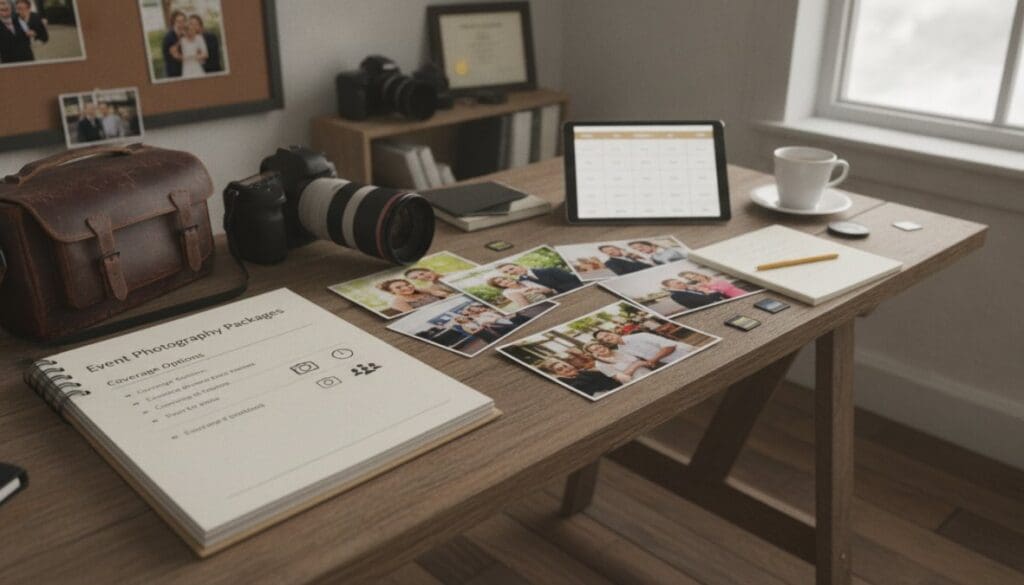
An event photography package is a defined service agreement that specifies the hours of coverage, number of edited images, delivery format, usage rights, and any additional services a professional photographer provides for your event. Understanding each element separates clients who get exactly what they need from those who end up with unexpected gaps in their coverage.
The core components of any event photography package include:
- Hours of on-location coverage – the time the photographer is actively shooting
- Number of edited, high-resolution files delivered
- Turnaround time for the final online gallery
- Image licensing and usage rights for commercial or personal use
- Delivery method – typically a client portal or digital download link
- Travel and location fees for events outside a defined radius
The biggest mistake clients make is treating packages as interchangeable commodities. A three-hour package from one photographer may include 150 fully retouched images with commercial licensing; another may deliver 80 lightly edited files with personal use only. Both are "three-hour packages," but neither is the same product.
Never book an event photography package without confirming the exact number of delivered images, the editing standard (basic vs. full retouching), and whether the license covers commercial use. Missing any of these in writing creates disputes after delivery.
How Many Hours of Event Photography Do I Need?
The right number of hours depends on your event type, the number of key moments you need captured, and how much of the setup and breakdown you want documented. Underestimating coverage hours is far more costly than overestimating.
Small Events & Parties
Small events and private parties typically require two to four hours of photography coverage. For events under 50 guests with a single venue space, two hours often suffices if the photographer arrives pre-event. For events between 50 and 150 guests, three hours is the safer floor.
Corporate Events & Trade Shows
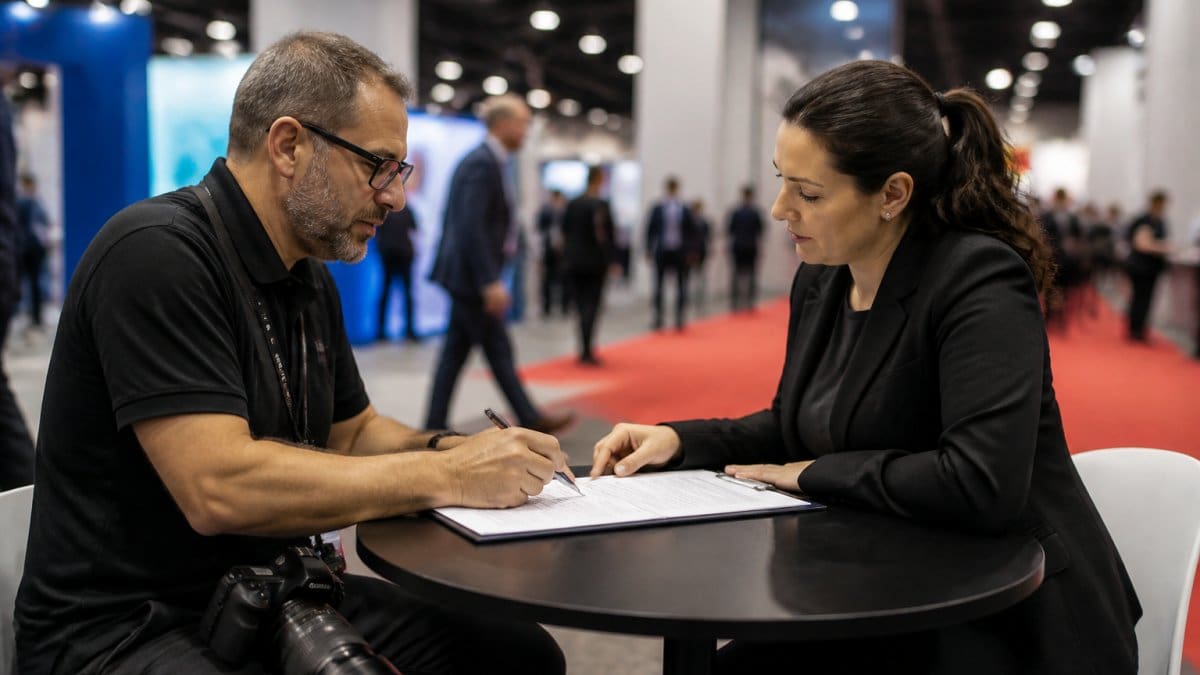
Corporate events require coverage across multiple spaces simultaneously, with action shots at exhibit booths, portrait sessions for speakers, and candid networking moments. Most corporate events and trade shows run best with a minimum of four to six hours, with larger multi-day events requiring full day rates or a second shooter.
Galas & Large Celebrations
Galas and large-scale celebrations routinely require six to ten hours of coverage. These events involve complex timelines: cocktail hour, dinner service, award presentations, entertainment, and late-night dancing. For galas over 300 guests, a second photographer is standard practice.
Event Photography Pricing Guide: Hourly Rates & Day Rates
Pricing for event photography packages varies significantly based on the photographer’s experience level, geographic market, and event complexity. The DMV market sits at the higher end of national pricing due to demand from government agencies, nonprofits, associations, and corporate clients.
Hourly Rate Options
Hourly rates for professional event photography generally fall into three tiers based on experience and portfolio strength. The real question isn’t which tier is cheapest, but which matches the stakes of your event.
Day Rates & Full-Day Coverage
Day rates cover a defined block of hours, typically eight to ten hours, at a discounted effective hourly rate. Full-day coverage is the standard approach for conferences, multi-session corporate events, and galas. Day rates simplify budgeting with one line item covering the entire event.
Minimum Booking Requirements
Most professional photographers set minimum booking requirements of two to three hours. This threshold exists because setup, travel, equipment preparation, and post-production overhead make sub-two-hour bookings economically unworkable for the photographer and often insufficient for the client.
If your event genuinely needs only 90 minutes of photography, book a two-hour minimum and use the buffer time for portrait sessions of key staff or leadership headshots. You’ll leave with more usable content and the photographer can work without rushing.
| Coverage Type | Typical Duration | Best For | Key Deliverable |
|---|---|---|---|
| Short event package | 2-3 hours | Private parties, small receptions | 100-200 edited images |
| Half-day package | 4-5 hours | Corporate meetings, small galas | 200-350 edited images |
| Full-day package | 8-10 hours | Conferences, large galas, trade shows | 400-600+ edited images |
| Multi-day coverage | 2+ days | Annual conferences, conventions | Custom volume |
What’s Included: Digital Delivery, Editing & Turnaround Time
Delivery standards vary more than any other component of event photography packages, and this is where client expectations most frequently diverge from what was actually agreed upon.
High-Resolution Files & Online Gallery
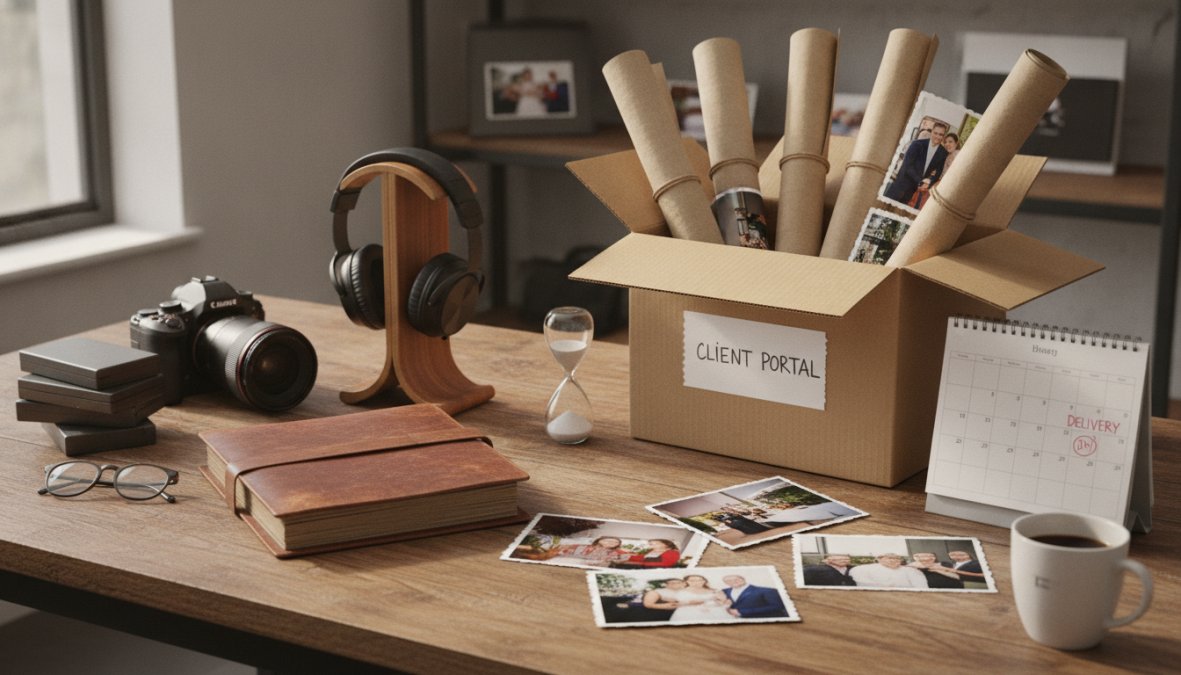
Professional event photography packages deliver high-resolution files through a secure client portal or private online gallery. High-resolution means files suitable for large-format printing, typically 20-45 megapixels depending on equipment used, with no watermarks on final delivered images. The online gallery should allow individual image downloads, full album downloads, and ideally client-side selections for printing or sharing.
Professional Editing & Retouching
Professional editing includes color correction, exposure adjustment, and basic retouching applied to every delivered image. This is not the same as advanced portrait retouching, which involves skin smoothing, blemish removal, and compositing. Clarify which standard applies to your package, particularly for corporate headshots or executive portraits captured during the event. Most packages include one round of editing revisions.
Turnaround Time for Edited Photos
Turnaround time for edited event photos typically ranges from five to fourteen business days for standard packages. Rush delivery within 24 to 72 hours is available from some photographers at a premium. For corporate clients needing images for post-event press releases or social media within 48 hours, confirming turnaround time in the contract is non-negotiable.
Turnaround time is the most commonly misunderstood element of event photography packages. “Delivered within two weeks” and “delivered within two business days” are both common offerings. Know which one you’re buying before the event.
Event Photography Shot List: Planning Your Coverage
An event photography shot list is a pre-event document that outlines the specific moments, people, and compositions the photographer must capture. A well-constructed shot list is the difference between comprehensive event documentation and a gallery full of technically good images that miss the moments that mattered most.
A complete event photography shot list should include:
- Venue exterior and interior establishing shots before guests arrive
- Key personnel and executive portraits
- Branded elements: signage, stage design, sponsor displays
- Audience reaction shots during presentations
- Speaker or presenter action shots from multiple angles
- Award presentations or recognition moments with recipient names
- Networking and candid photography between sessions
- Group portraits of specific teams or delegations
- Detail shots: centerpieces, catering, printed materials
- Closing moments and departures
Share the shot list with your photographer at least one week before the event. A professional will review it, flag any logistical conflicts, and suggest additions based on the venue layout and timeline.
Event Photography Contract Template: Usage Rights & Licensing
A professional event photography contract establishes the legal and commercial framework for the entire engagement. Skipping a formal contract creates exposure for both the client and the photographer.
Understanding Image Licensing & Usage Rights
Image licensing defines what you can legally do with the photos after delivery. A personal use license permits sharing on personal social media and printing for non-commercial purposes. A commercial use license permits using the images in marketing materials, advertising, press releases, website content, and brand publications.
Most corporate clients need commercial licensing. Many photographers include it by default in corporate event packages; others charge an additional fee. Verify this before booking. Using commercially licensed images without the correct license creates legal liability.
The contract should also specify whether the photographer retains the right to use images in their portfolio, on their website, or in award submissions. This is standard practice and generally acceptable, but clients with confidentiality requirements need to negotiate this clause explicitly.
Insurance & Liability Requirements
Many venues and corporate clients now require photographers to carry general liability insurance before being permitted on-site. Professional photographers should carry at minimum a general liability policy covering equipment damage and third-party bodily injury. Confirm your photographer’s insurance status before the event. A photographer without proper coverage creates liability exposure for your organization if an incident occurs on-site.
Custom Event Photography Packages & Additional Services
Standard packages cover most events well, but many clients have specific needs that fall outside the standard tier structure. Custom event photography packages allow you to configure exactly the coverage, deliverables, and add-ons your event requires.
Travel & Location Fees
Travel fees apply when the event location falls outside the photographer’s standard service area. For Event Photojournalism, serving clients across Washington DC and Northern Virginia, most DMV-area events fall within the standard service zone. Events beyond that radius typically incur mileage fees, and multi-day events in other cities require negotiated day rates covering travel time and accommodation.
Photo Booth & Candid Photography Add-Ons
Photo booths and dedicated candid photography stations are popular add-ons for galas, corporate parties, and trade show activations. These services operate separately from the primary event photographer and provide guests with immediate printed or digital takeaways. Candid photography add-ons, where a second photographer circulates specifically for unposed guest interaction shots, significantly increase the volume and variety of delivered images.
Post-Production Workflow & Unlimited Images
Some event photography packages advertise unlimited images. The meaningful metric is the number of fully edited, high-resolution files delivered, not unlimited raw captures. A photographer who captures 2,000 frames and delivers 400 professionally edited images provides a different product than one who delivers 400 lightly processed files from 500 total captures. Post-production workflow determines the quality floor of every image you receive and typically accounts for as much time as the on-location shoot itself.
How to Choose the Right Event Photography Package for Your Needs
Choosing the right event photography package comes down to four variables: the complexity of your event, the commercial use requirements for the images, your turnaround timeline, and your budget ceiling.
Start with the event type and duration using the coverage table above as your baseline. Then layer in your usage requirements: if the images are going into marketing materials, press releases, or annual reports, commercial licensing is mandatory. Next, confirm the turnaround time matches your post-event publication schedule.
Here’s a practical decision framework:
- Small private event, personal use only: Two-hour minimum package with personal license, standard turnaround
- Corporate meeting or conference: Half-day or full-day package with commercial license, turnaround under ten business days
- Gala or large celebration: Full-day package, second photographer recommended, commercial license, rush delivery option available
- Trade show or multi-day conference: Day rate with second shooter, commercial license, phased delivery for each event day
The contract conversation reveals more about a photographer’s professionalism than the portfolio does. A photographer who can clearly explain their licensing terms, turnaround process, and insurance coverage is one who has solved these problems before.
Event Photojournalism serves clients across the full spectrum of this guide, from intimate corporate receptions to award galas and multi-day conferences throughout the DMV area. Our customized solutions are built around your specific event documentation goals.
Selecting event photography packages without a clear framework leads to gaps in coverage, licensing surprises, and delivery timelines that don’t match your needs. Event Photojournalism provides award-winning, high-resolution photography with customized solutions designed to elevate your brand and ensure every important moment is documented with precision. Our team serves Washington DC and Northern Virginia with the reliability and expertise that corporate clients, gala organizers, and conference producers depend on. CONTACT US to discuss your event and receive a custom quote tailored to your specific coverage requirements.
Frequently Asked Questions
What is typically included in event photography packages?
Most event photography packages include professional on-location coverage, high-resolution digital files, edited photos delivered through an online gallery or client portal, and a custom quote based on your event's specific needs. Premium packages often add unlimited images, professional retouching, extended turnaround times, and additional services like photo booth coverage. Always verify what's included in your package before booking, as coverage details vary by photographer and event type.
How many hours of event photography do I need for my corporate event?
Corporate events typically require 4-8 hours of coverage depending on scope. Trade shows and conferences benefit from 6-8 hours to capture keynotes, networking, and booth interactions. Smaller corporate gatherings may need 2-4 hours for candid photography and group portraits. Consider your event timeline, number of important moments, and whether you need action shots throughout the day. Discuss your specific event documentation needs with your photographer to determine optimal coverage hours.
How much do event photography packages usually cost?
Event photography pricing varies by location, photographer experience, and package scope. Hourly rates typically range from $75-$300+ per hour, while day rates may span $400-$2,500+ depending on coverage hours and deliverables. Minimum booking requirements often apply (usually 2-4 hours). Additional fees may include travel, location charges, and premium services like unlimited images or extended editing. Request a custom quote based on your event's specific requirements for accurate pricing.
Should I hire a photographer by the hour or choose a package deal?
Hourly rates offer flexibility for shorter events and testing a photographer's style, while photography packages provide better value for longer events and include defined deliverables. Packages typically offer predictable pricing and comprehensive coverage, whereas hourly rates may accumulate costs if your event runs longer. For corporate events spanning 4+ hours or galas with multiple important moments, packages usually provide better value and clearer expectations for edited photos, turnaround time, and usage rights.
What should I ask before booking an event photography package?
Ask about coverage details (hours, locations, candid vs. posed), what's included (edited photos, online gallery, high-resolution files, retouching), turnaround time for delivery, travel fees, minimum booking requirements, usage rights and licensing terms, insurance and liability coverage, and whether the package allows unlimited images or has limits. Clarify the post-production workflow, backup equipment policies, and any add-on services available. Request a sample online gallery to assess their editing style and image quality.
This article was written using GrandRanker