Table of Contents
- Why Event Social Engagement Matters for Your Brand
- Strategy 1: Build Pre-Event Engagement and Community Buzz
- Strategy 2: Develop a Comprehensive Event Social Media Strategy
- Strategy 3: Implement Interactive Event Engagement Tools
- Strategy 4: Create Virtual Event Engagement Ideas for Hybrid Experiences
- Strategy 5: Foster Networking and Authentic ‘Wow’ Moments
- Strategy 6: Measure Event Engagement and Calculate ROI
- Strategy 7: Maximize Post-Event Follow-Up and Retention
Last Updated: July 20, 2026
Why Event Social Engagement Matters for Your Brand
Event social engagement has become essential for maximizing impact. Events with strong social strategies generate significantly more buzz, extend reach beyond physical attendees, and create lasting digital assets. According to research from Eventbrite’s event trends analysis, attendees now expect active social media presence before, during, and after events. The brands that win build community momentum from day one, create shareable moments, and maintain conversation long after attendees leave.
Your competitors are already using social engagement to build loyalty, amplify messaging, and measure ROI. The seven strategies in this guide have proven effective across corporate events, fundraising galas, industry conferences, and hybrid experiences.
Event social engagement isn’t optional, it’s the difference between an event people attend and an event people talk about for months.
Strategy 1: Build Pre-Event Engagement and Community Buzz
Pre-event engagement starts months earlier, building anticipation and giving potential attendees reasons to care. Launching promotion only weeks before misses critical momentum.
Launching targeted social media campaigns
Effective campaigns tell a story about why the event matters and who will attend. Segment your audience: VIPs and past attendees receive different messaging than first-time prospects. Sponsors get content highlighting their involvement.
Most successful campaigns run 8-12 weeks before the event, with intensity increasing as the date approaches. Start with educational content about the event topic, then shift to speaker spotlights, agenda previews, and attendee testimonials. Choose the 2-3 platforms where your target audience actually spends time rather than spreading thin across all channels.
Creating event-specific hashtag campaigns
A dedicated event hashtag consolidates all social conversation into one discoverable location. It should be short, memorable, and specific to your event. Promote it consistently starting 4-6 weeks before, including it in emails, your website, social bios, and promotional materials.
Create a landing page displaying real-time posts using the hashtag. During the event, encourage speakers to use it in presentations and create signage reminding attendees to tag their posts. Consider offering small incentives for hashtag use. This transforms your event into a trending topic on social platforms.
Strategy 2: Develop a Comprehensive Event Social Media Strategy
A comprehensive strategy treats the entire attendee journey as an integrated experience, creating continuous narrative engagement across all stages.
Defining your engagement goals and audience
Define what success looks like: increased attendance, brand awareness, media coverage, or deeper customer relationships. Your goals shape every tactical decision. Segment your audience clearly, past attendees, prospects, influencers, media, speakers, and sponsors each need different engagement strategies.
Document audience segments, their pain points, what they care about, and where they spend time online. This foundation guides all content decisions and ensures messaging resonates rather than speaks in generalities.
Planning content pillars for before, during, and after
Content pillars are main themes emphasized throughout your campaign. For a conference, pillars might include "Learning and Development," "Industry Trends," and "Networking Opportunities." For a gala, consider "Mission Impact," "Community Stories," and "Donor Recognition."
Before the event, content focuses on education and anticipation, speaker bios, topics, testimonials. During the event, shift to real-time engagement: live updates, speaker quotes, attendee photos. After the event, emphasize gratitude and reflection: thank attendees, share highlights, tease what’s next.
:::pro
Teams that share content within 24 hours of the event see significantly higher post-event engagement than those who wait a week.
:::
Strategy 3: Implement Interactive Event Engagement Tools
Interactive tools transform passive attendees into active participants, creating engagement that generates social sharing naturally.
Live polling and real-time Q&A sessions
Live polling keeps attendees mentally engaged, gives speakers real-time feedback, and generates shareable moments. Effective polls are simple and specific with 3-4 answer options maximum. Display results in real-time and share poll results on social media during and after sessions.
Real-time Q&A sessions work similarly. Invite questions throughout using a dedicated app, display them on screens, and have speakers answer live. This surfaces questions you can repurpose into future social content.
Gamification, leaderboards, and scavenger hunts
Leaderboards showing top contributors or most active networkers encourage ongoing participation. Scavenger hunts requiring attendees to visit booths or meet specific people drive movement and networking. Tie these mechanics to clear rewards, first place might win a prize or exclusive access. Make gamification feel organic rather than forced.
Event apps for seamless attendee interaction
Modern event apps consolidate engagement tools into a single platform. Attendees view agendas, access speaker information, network, participate in polls, and share photos. The best apps integrate with social media, allowing direct sharing to networks. Setup typically takes 2-4 weeks; test thoroughly before launch.
Strategy 4: Create Virtual Event Engagement Ideas for Hybrid Experiences
Hybrid events combining in-person and remote attendance require ensuring remote attendees feel included rather than like secondary participants.
Bridging in-person and remote attendee participation
Remote attendees should participate in nearly everything in-person attendees experience. Invest in professional-quality streaming with multiple camera angles and clear audio. Poor quality frustrates remote attendees and drives them away.
Create breakout rooms for remote attendees to network with each other. Use a directory helping people find others with shared interests. Ensure remote Q&A sessions display questions on screens so in-person attendees see them too, creating unified conversation.
Budget-friendly tactics for hybrid event success
You don’t need enterprise-level production to run successful hybrid events. Many organizations use Zoom, YouTube Live, or Hopin at a fraction of traditional AV costs. Invest in what matters most: clear audio and video of speakers.
Use a single wide-angle camera focused on the stage, supplemented by a phone or tablet capturing audience reactions. Add simple graphics overlays with speaker names and event branding. Polling tools like Mentimeter or Slido work well for hybrid events, allowing everyone to participate equally.
Engagement metrics show hybrid events with strong remote experiences see 30-40% higher overall attendance than in-person-only events.
Treat the hybrid stream as a primary experience, not secondary broadcast. Poor production quality or limited remote participation causes disengagement. Invest in at least baseline professional setup.
Strategy 5: Foster Networking and Authentic ‘Wow’ Moments
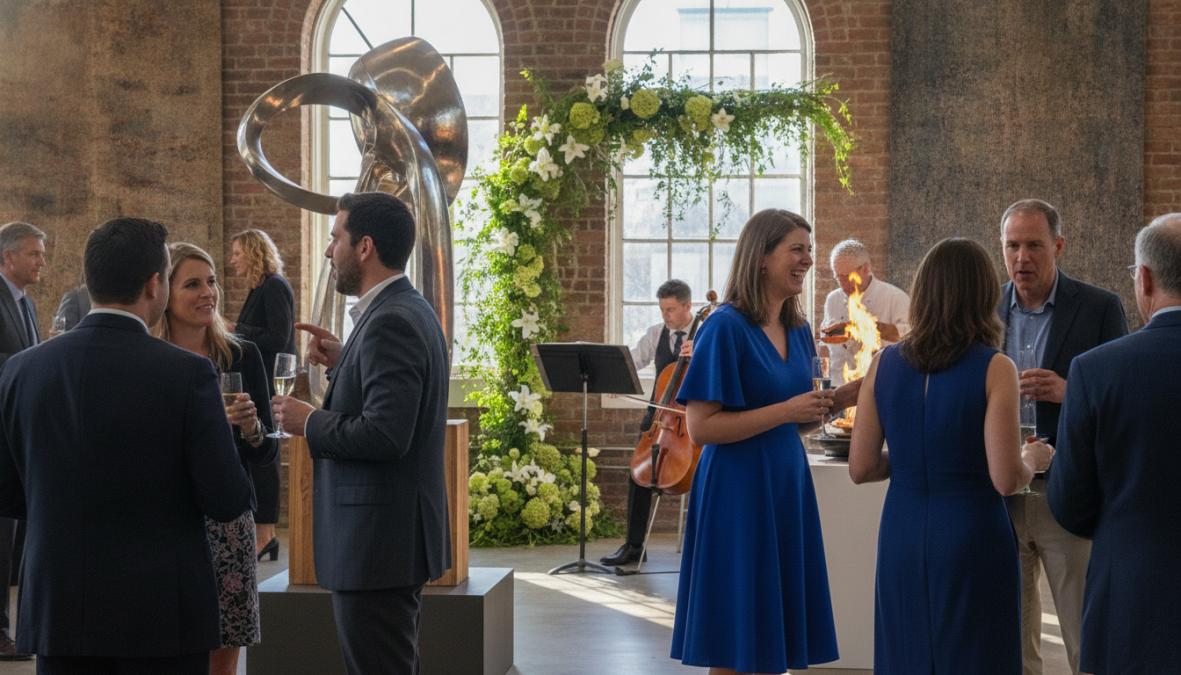
The moments people remember most are unexpected conversations, surprise appearances, beautiful photo ops, and moments of genuine connection. These drive social sharing because they’re authentic and memorable.
Icebreaker activities and structured networking
Unstructured networking often fails because people don’t know how to approach strangers. Speed networking sessions where people rotate through brief conversations create natural connection points. Roundtable discussions on specific topics give people reasons to sit together.
Effective icebreakers have clear prompts: "Find someone who works in a different industry and learn about their biggest challenge." Assign hosts to key networking areas to help people find others with shared interests. Allocate 20-30% of total event time to structured or semi-structured networking.
Capturing shareable moments for social amplification
The most shared moments are visual and emotional: beautiful stage design, surprising announcements, powerful speaker moments, groups laughing together. Professional photography captures these authentic moments, creating lasting visual assets. Event Photojournalism specializes in award-winning photography that transforms events into content you can repurpose for months.
Create designated photo opportunities strategically throughout the event. Make it easy for attendees to share by displaying your event hashtag prominently. Designate staff to capture moments throughout, collecting photos in a shared folder for immediate sharing.
Feature the best attendee photos on your social channels during and after the event. Reposting with thanks creates a virtuous cycle where people see their photos shared and feel motivated to post more, amplifying your reach far beyond your follower count.
Strategy 6: Measure Event Engagement and Calculate ROI
You can’t improve what you don’t measure. Define which metrics matter for your specific goals. If your goal is attendance, track registrations through social channels. If your goal is brand awareness, track reach, impressions, and mentions.
Key engagement metrics and tracking methods
Essential metrics include hashtag usage, social followers gained, website traffic from social, email signups from social, event attendance from social sources, and post-event engagement. Use native platform analytics rather than manually counting everything.
For deeper analysis, use event management platforms that integrate with social media, tracking which attendees came from which channels and what they engaged with during and after the event.
Post-event surveys and attendee feedback collection
Surveys capture qualitative insights metrics alone can’t provide. Ask what moments stood out, which sessions were valuable, and whether they’d recommend the event. Ask about their social experience specifically.
Keep surveys short, 5-7 questions maximum. Send them within 24 hours while the experience is fresh. Consider offering a small incentive for completion. Analyze responses looking for patterns about what resonated most and what needs improvement.
| Metric | What It Measures | How to Track |
|---|---|---|
| Hashtag reach | How many people saw posts using your hashtag | Native platform analytics or hashtag tracking tools |
| Social-attributed registrations | How many people registered because of social campaigns | UTM parameters in registration links |
| Attendee sentiment | What attendees felt about the event experience | Post-event surveys and social listening |
| Post-event engagement | How much conversation continues after the event | Monitor hashtag and brand mentions for 7-14 days |
| Speaker reach | How many people engaged with speaker content | Track speaker mentions and tagged posts |
| Sponsor visibility | How much attention sponsors received | Count sponsor mentions and tagged posts |
Strategy 7: Maximize Post-Event Follow-Up and Retention
The period immediately after an event is critical. Most attendees experience a brief window of high engagement. Organizations that capitalize on this window build stronger relationships and set the stage for future events.
Timely content delivery and thank-you campaigns
Send thank-you communications within 24 hours. Make these personal and specific when possible. Share event highlights within 48 hours, best photos, key quotes, summary statistics. These posts remind people of the experience and give them content to share.
Create a post-event email sequence delivering value over following weeks: Day 1 thank you and highlights, Day 3-5 speaker slides and recordings, Day 7-10 featured attendee stories, Day 14-21 announcement of next event. This keeps your event top-of-mind and provides ongoing value.
Building momentum for future events
Announce next year’s dates during closing remarks or in thank-you emails. Create a VIP program for past attendees offering early registration, exclusive discounts, or special access. Many organizations see 40-50% of attendance from past attendees, making retention critical for growth.
Use data from this event to plan the next one. What topics generated most engagement? Which sessions had highest attendance? What moments got shared most? Maintain ongoing communication between events through newsletters, webinars, or regular social updates, transforming your event into part of an ongoing relationship.
Post-event engagement determines whether attendees return. Organizations with strong follow-up see 2-3x higher repeat attendance rates.
Measuring Success: The Complete Picture
Track the full funnel: awareness through social, registration, attendance, social engagement during the event, and post-event engagement. Calculate ROI by comparing social campaign costs to value generated. If campaigns cost $5,000 and drove 200 registrations at $100 revenue each, your ROI is 4x.
The most successful organizations treat event social engagement as ongoing practice rather than one-time effort. They run events consistently, measure results systematically, and continuously refine approach based on data and feedback. Each event provides learning that informs the next one.
Event success increasingly depends on social engagement strategy execution. The seven strategies here work across event types, audience sizes, and budgets. Organizations winning now treat social engagement as core to event strategy, not an afterthought. Event Photojournalism helps organizations elevate their brand by providing award-winning photography that transforms events into lasting visual assets, ensuring every important moment is remembered through stunning imagery. CONTACT US to discuss how professional event photography and integrated social engagement strategies can strengthen your next event.
Frequently Asked Questions
What is the psychology behind event social engagement?
Event social engagement taps into attendees' desire for community, validation, and shared experience. When people feel part of something meaningful, they're more likely to participate and share. Gamification and recognition (leaderboards, incentives) leverage intrinsic motivation, while icebreaker activities reduce social friction. Understanding that attendees want to feel valued, not just entertained, shapes how to improve event social engagement effectively. Professional event photography that captures authentic moments also amplifies this by giving attendees visual proof of their participation to share.
How do you measure event engagement and ROI on a tight budget?
Budget-friendly measurement focuses on free and low-cost tools: social media hashtag tracking (free via native platform analytics), post-event surveys (Google Forms or Typeform), and engagement metrics like shares, comments, and mentions. Track attendance rates, session attendance, and hashtag usage to calculate baseline ROI. For nonprofits and smaller organizations, prioritize one or two key metrics, such as social reach or attendee retention rate, rather than tracking everything. Professional photography also serves as a measurable asset: high-quality images drive post-event engagement and can be repurposed across marketing channels to extend your event's ROI.
What are the best event engagement tools for hybrid events?
Hybrid-specific engagement tools bridge in-person and remote attendees through live polling platforms, event apps with real-time chat, and virtual networking lounges. Look for tools that allow remote participants to ask questions during live sessions, vote in polls, and view leaderboards alongside in-person attendees. Many platforms offer free or tiered pricing for smaller events. The key is choosing tools that don't overwhelm attendees, focus on one primary app or platform rather than multiple fragmented tools. Professional event photography can also enhance hybrid experiences by sharing candid shots in real-time, making remote attendees feel included in the energy and community.
How quickly should I deliver post-event content like photos and highlights?
Timing is critical for event social engagement momentum. Deliver highlights, key photos, quotes, or video clips, within 24 hours to capitalize on attendee enthusiasm and maintain buzz. Full-resolution images and comprehensive galleries can follow within 3-5 business days. Fast turnaround keeps your event trending on social media and gives attendees fresh content to share while the experience is still top-of-mind. This is where professional event photojournalism makes a measurable difference: award-winning photographers who deliver high-resolution, publication-ready images quickly ensure your event content is ready for press releases, LinkedIn posts, and annual reports without extensive editing delays.
This article was written using GrandRanker