Table of Contents
- Event Photography Styles That Work for Galas
- Candid Event Photography: Capturing Authentic Moments
- Photojournalistic Coverage: Storytelling Through Images
- Posed Portraits and Event Photographer Posing Tips
- Event Photography Composition and Framing Techniques
- Building Your Gala Photography Shot List
- Planning and Executing Your Gala Photography
- Frequently Asked Questions
Last Updated: October 10, 2026
Event Photography Styles That Work for Galas
When you’re planning a gala, the photography style you choose sets the tone for how your event will be remembered. The difference between candid, photojournalistic, and posed approaches isn’t just aesthetic, it fundamentally changes what your final images will convey about your organization, your guests, and the evening itself.
At Event Photojournalism, we’ve worked with nonprofit organizations, corporate enterprises, and event planners across the region to understand what actually works for high-profile galas. The reality is that one-size-fits-all photography rarely captures the full story of an evening.
The best event photography styles for DC galas blend multiple approaches. You need candid coverage to capture authentic guest interactions. You need posed portraits to ensure your VIPs and sponsors are properly documented. And you need photojournalistic sequencing to tell the narrative arc of your event.
Below, we’ll walk through the core event photography styles that work best for galas, explain what makes each one valuable, and show you how to plan coverage that actually delivers the images your organization needs.
| Photography Style | Best For | Key Advantage | Execution Challenge |
|---|---|---|---|
| Candid | Authentic guest moments | Shows genuine emotion and connection | Requires constant positioning and anticipation |
| Photojournalistic | Event narrative and flow | Tells the complete story of the evening | Needs clear shot list and timeline planning |
| Posed Portraits | VIP and sponsor recognition | Professional, polished documentation | Requires guest cooperation and dedicated space |
| Mixed Approach | Comprehensive coverage | Captures all angles of your event | Demands experienced photographer and planning |
Candid Event Photography: Capturing Authentic Moments
Candid event photography captures guests in unguarded moments, laughing with colleagues, reacting to speeches, celebrating achievements. This style shows the real energy of your gala rather than a staged version of it.
The strength of candid coverage is emotional authenticity. When a donor laughs genuinely with a board member, or when a nonprofit staff member tears up during an award presentation, those moments matter. They demonstrate the actual impact and culture of your organization in ways posed photos cannot replicate. Candid images work exceptionally well for social media, annual reports, and fundraising materials because they convey warmth and connection.
The challenge with pure candid photography is that it requires the photographer to anticipate moments before they happen. This means positioning yourself strategically throughout the room, understanding the event flow, and recognizing which interactions matter most. A photographer shooting only candid coverage might miss key VIPs or sponsors if they’re not in the right place at the right time.
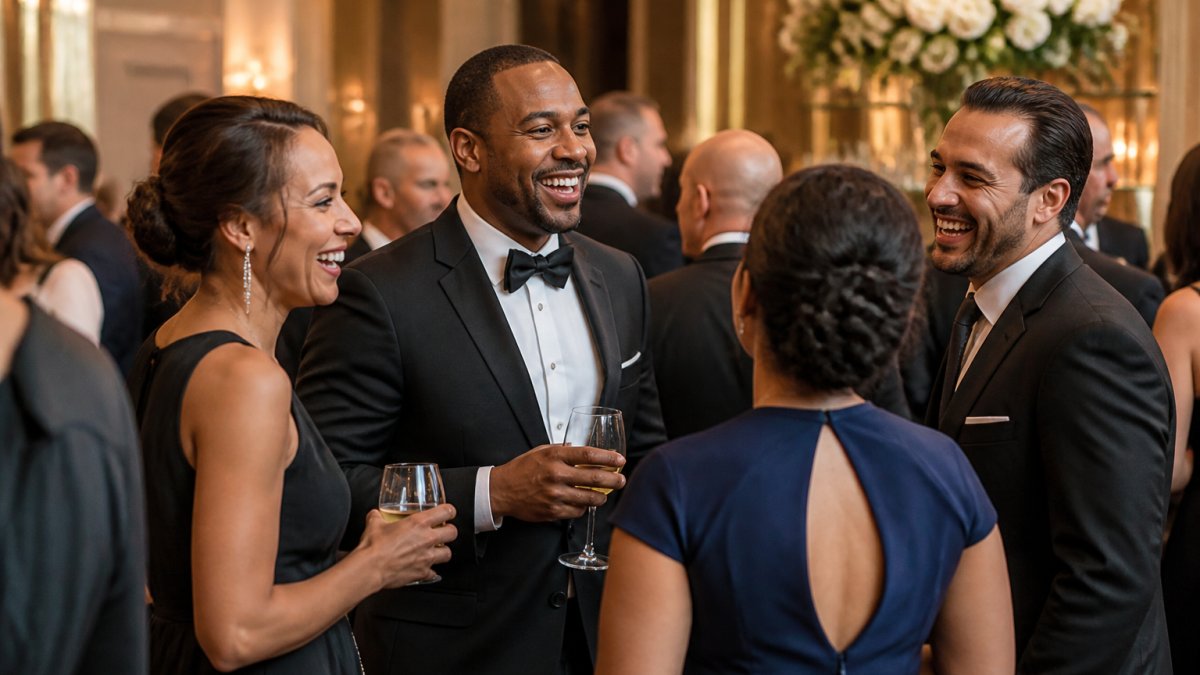
The best candid photographers position themselves at the edges of rooms rather than the center. This gives them sight lines to multiple conversations and moments without being intrusive. A discreet photographer is one guests forget is there, which is exactly when authentic moments happen.
For nonprofit galas and donor events, candid photography serves a specific purpose: it proves that your event created real connections and genuine engagement. When you’re asking donors to invest in your mission, showing them authentic moments of impact is far more persuasive than formal portraits.
Photojournalistic Coverage: Storytelling Through Images
Photojournalistic event photography tells the story of your gala from start to finish. This approach documents the sequence of moments, arrivals, networking, speeches, awards, celebrations, in a way that creates a visual narrative when you review the images later.
Unlike pure candid coverage, photojournalistic photography is intentional about framing and composition. The photographer is thinking about how each image contributes to the larger story. A photojournalistic approach captures the energy of a speech, the reaction of an award recipient, the interaction between presenter and honoree, and the broader context of each moment.
This style works particularly well for corporate galas and advocacy events where you need to document activities, speakers, and key moments in sequence. It’s especially valuable if you plan to use images for press releases, media coverage, or event recaps. Photojournalistic coverage creates a timeline of your event that stakeholders can actually follow.
Photojournalistic event photography styles excel at capturing the flow and energy of an evening. The photographer becomes a visual storyteller, documenting not just individual moments but how those moments connect and build throughout the night.
The trade-off with photojournalistic coverage is that it requires a photographer who understands your event’s agenda and key moments in advance. Without a clear shot list and timeline, a photojournalistic photographer might miss critical moments or spend time on less important activities. Event Photojournalism works with clients beforehand to map out the event schedule, identify key speakers and honorees, and plan coverage that captures what actually matters.
Posed Portraits and Event Photographer Posing Tips
Posed portraits ensure your VIPs, sponsors, and honorees are professionally documented. This is the style most galas need for formal recognition and corporate documentation.
Effective posed portraits at galas require a few specific techniques. First, direct your subjects to angle their shoulders slightly away from the camera while keeping their face toward the lens, this creates a more flattering line than a straight-on stance. Second, guide guests to relax their hands by giving them something to do: hold a glass, rest a hand on a table, or clasp hands loosely in front. Stiff arms at their sides telegraph tension.
The best posed portraits happen when the photographer directs with confidence and warmth. Guests at galas are often uncomfortable being photographed formally, especially if they’re not used to it. A photographer who can give clear, specific directions (“Turn your shoulders left, chin down slightly, now smile like you just heard something funny”) gets better results than vague requests like “look natural.”
Avoid the common mistake of photographing posed portraits against busy backgrounds. At galas, this often means a step-and-repeat banner or a wall with competing visual elements. Position your subject in front of a clean background, a solid wall, a draped section, or an area with soft, out-of-focus elements behind them. This keeps the focus on your VIPs where it belongs.
For nonprofit galas, posed portraits serve a critical function: they create professional images of your leadership, major donors, and award recipients that can be used in annual reports, donor communications, and organizational materials for months afterward. A single well-executed posed portrait is worth far more than dozens of blurry candid shots for formal documentation.
Event Photography Composition and Framing Techniques
Composition determines whether your gala images feel polished and professional or chaotic and amateurish. The fundamentals of strong composition apply whether you’re shooting candid moments or formal portraits.
Leading lines guide the viewer’s eye through an image. At galas, this might mean positioning yourself so that a line of guests, a row of tables, or the architecture of the venue creates a visual path toward your subject.
Frame your subjects with intention. Tight framing isolates your subject and emphasizes emotion; wider framing shows context and environment. A close-up of an award recipient’s face conveys emotion. A wider shot showing the recipient, the presenter, and the audience reaction tells a more complete story.
Background management matters more at galas than many photographers realize. Busy, cluttered backgrounds distract from your subject. Look for clean sight lines, use shallow depth of field to blur distracting elements, or reposition slightly to frame your subject against a simpler background. This is especially important when shooting in venues with complex lighting, multiple screens, or competing visual elements.
Building Your Gala Photography Shot List
A shot list is your roadmap for what images you need to capture during your event. Without one, you risk missing key moments or spending time on less important activities.
Your shot list should include specific moments tied to your event agenda: arrival photos, group portraits of leadership, candid networking moments, key speakers at the podium, award presentations with reactions, sponsor recognition, and closing moments. For each moment, note whether you need candid coverage, posed portraits, or both.
Include specific people or groups on your shot list. “Get photos of the Board Chair with each major donor” is more actionable than “capture donor interactions.” Name your VIPs, your award recipients, and your key stakeholders. This ensures they’re documented professionally and that no one is overlooked.
Timing matters on your shot list. Note when each moment is scheduled to happen so your photographer can position themselves accordingly. If your keynote speaker goes on at 7:15 PM, your photographer needs to be ready five minutes earlier. If awards are presented between 7:45 and 8:15 PM, that’s a concentrated period requiring full attention.
Organizations hosting galas where donor recognition and sponsor visibility are critical to fundraising success. A comprehensive shot list ensures every important person and moment is professionally documented.
The best shot lists are specific enough to guide a photographer without being so rigid that they miss unexpected moments. Include your planned moments, then give your photographer permission to capture authentic interactions and candid moments that fall outside the formal agenda. This balance between structure and flexibility is what separates adequate event photography from truly valuable coverage.
Planning and Executing Your Gala Photography
Successful gala photography starts weeks before your event. The planning phase determines whether your photographer can actually deliver what you need.
Begin by clarifying your goals. Are you primarily documenting your event for internal records and annual reports? Are you planning to use images for press releases and media outreach?
Communicate your event schedule and key moments to your photographer well in advance. Share the agenda, identify VIPs and honorees, note any special moments or activities.
Discuss lighting conditions with your photographer before the event. Many gala venues have dramatic but challenging lighting, dim ambient light mixed with stage lighting, spotlights, and screens.
Agree on deliverables and turnaround time in advance. How many images do you expect to receive? In what format and resolution? How quickly do you need them? A photographer who understands your timeline can prioritize accordingly.
Event Photojournalism works with clients to map out these details before every gala. We understand that each event has different needs, different stakeholders, and different goals for how the images will be used.
When you’re ready to discuss your gala photography needs, reach out to Event Photojournalism.
Frequently Asked Questions
What’s the difference between candid and posed event photography at a gala?
Candid event photography captures unscripted moments as they happen, guests laughing, networking, reacting to speeches, without posing or direction. Posed event photography involves positioning subjects intentionally for portraits, group shots, and formal moments. Most galas benefit from both: candid shots tell the authentic story of your event, while posed portraits provide polished images for annual reports, LinkedIn, and fundraising materials. The best approach combines candid coverage that documents the evening naturally with strategic posed moments for VIPs, sponsors, and key participants.
What shots should a gala event photographer capture according to a shot list?
A comprehensive gala photography shot list includes arrival and red carpet moments, keynote speakers and award presentations, guest networking and candid interactions, group portraits of board members and sponsors, detail shots of décor and table settings, award winners holding plaques or certificates, silent auction activity, and closing moments. Include specific shots of your organization’s leadership, major donors, and any notable guests. Prioritize moments that align with your fundraising or mission goals. A detailed shot list shared with your photographer before the event ensures nothing critical is missed and helps your photographer understand what imagery matters most for your annual report or press release.
How can gala photos support an organization’s brand and mission?
High-quality gala photography documents your event’s impact and authenticity, creating visual proof of your organization’s work and donor engagement. Photos showing genuine guest interaction, award presentations, and mission-aligned moments strengthen fundraising appeals and donor retention. Professional images work across multiple channels: press releases the morning after your gala, social media campaigns, annual reports, grant proposals, and year-end giving campaigns. Candid shots of guests actively participating demonstrate community value, while posed portraits of sponsors and VIPs acknowledge their support publicly. Authentic, professional photography elevates your brand perception and shows donors exactly how their contributions create meaningful experiences.
How long should a photographer stay at a gala event?
Coverage duration depends on your event’s scope and goals. Most galas benefit from 4-6 hours of coverage, starting before guests arrive to capture setup and early arrivals, continuing through speeches and presentations, and extending through key networking moments. If your event includes a silent auction, awards ceremony, or formal program, ensure your photographer is present for all of those segments. For smaller, intimate galas, 3-4 hours may suffice; for large fundraising events with multiple program elements, 6-8 hours ensures comprehensive coverage. Discuss your event schedule and priorities with your photographer when booking to determine the ideal coverage window that captures everything important without unnecessary overlap.