Table of Contents
- Why Professional DC Nonprofit Event Photography Matters
- Event Photography Shot List for Nonprofits: What to Capture
- Nonprofit Event Photography Pricing in Washington DC
- Nonprofit Photography Budget Tips and ROI Planning
- Event Photography Contract Template for Nonprofits
- Hiring a Professional Photographer for DC Nonprofit Events
- Post-Production, Editing Services, and Digital Asset Delivery
- Conclusion: Maximizing Your Mission Impact Through Visual Storytelling
Last Updated: July 3, 2026
Why Professional DC Nonprofit Event Photography Matters
Professional dc non profit event photography captures authentic moments with polish that smartphone snapshots cannot deliver. For nonprofits in the Washington DC and DMV area, visual documentation amplifies your message and proves impact to stakeholders, directly influencing donor decisions and grant applications. The difference between an event that feels casual and one that projects organizational credibility often comes down to image quality. Professional coverage transforms your event into lasting marketing assets used in grant proposals, annual reports, social media campaigns, and donor communications for months or years.
Mission-Driven Storytelling Through Authentic Moments
The best nonprofit event photography captures genuine moments, the volunteer’s focused expression, the donor’s reaction to a beneficiary’s story, the child’s face lighting up during a program. This authenticity moves people emotionally and motivates action. Rather than directing posed shots, photojournalists position themselves to catch unguarded moments that reveal your mission’s true impact. A single image of a mentor working one-on-one with a youth communicates transformation more effectively than paragraphs of written description.
During your event briefing, share 2-3 specific moments you want documented. Tell your photographer: “We want images showing the mentorship relationship” rather than “get photos of people talking.” This guides the photojournalist toward capturing your actual mission in action.
Building Brand Identity and Community Engagement
Consistent, high-quality event photography builds your nonprofit’s visual brand over time, signaling that you’re established, well-managed, and worthy of support. Professional images also enable community engagement beyond the event itself, when attendees see themselves in beautiful photographs, they become ambassadors, sharing images on personal social media and extending your event’s reach far beyond who was physically present. A single evening with professional photography yields dozens of images suitable for newsletters, social media posts, website updates, and annual reports, with returns compounding across multiple channels over many months.
Event Photography Shot List for Nonprofits: What to Capture
A well-planned shot list ensures you capture images that serve your actual communication needs. Without clarity, photographers may miss critical moments or waste time on images that don’t support your mission storytelling.
Essential Coverage Categories
Arrival and Networking: Document people arriving and mingling to show community and connection.
Leadership and Speakers: Capture your executive director, board chair, or keynote speakers during remarks to establish credibility.
Beneficiary Moments: Photograph program participants or beneficiaries, these are often the most powerful images showing direct impact.
Volunteer and Staff Engagement: Document your team working to show the human effort behind your mission.
Donor Interactions: Capture moments where donors are engaged, listening intently, or conversing with program participants.
Wide Shots and Atmosphere: Include images showing the full room and event environment for context and scale.
Details and Signage: Photograph your event branding and informational displays to reinforce organizational identity.
Creating Your Custom Shot List
Start by asking: What story do we need to tell with these photographs? If your goal is demonstrating program impact, prioritize images of program participants. If you’re building community awareness, focus on crowd shots and volunteer energy.
| Shot Category | Priority | Why It Matters | Best Timing |
|---|---|---|---|
| Beneficiary/Program Moments | High | Shows direct mission impact | During main program |
| Leadership Remarks | High | Establishes organizational credibility | During formal presentations |
| Volunteer/Staff Action | Medium | Demonstrates human effort behind mission | Throughout event |
| Donor Interactions | Medium | Reassures major supporters | Networking portions |
| Wide Room Shots | Medium | Establishes event scale and energy | During peak attendance |
| Detail Shots (signage, displays) | Low-Medium | Reinforces branding | Before/after main program |
Share this list with your photographer before the event. A professional photojournalist will use it as a guide while remaining flexible enough to capture unexpected powerful moments.
Nonprofit Event Photography Pricing in Washington DC
Professional dc non profit event photography pricing varies based on photographer experience, event duration, and deliverables. Most professional photographers in the DC area charge either hourly rates or flat rates.
Understanding Hourly Minimums and Flat Rates
Hourly minimums typically range from $75 to $150 per hour for experienced photographers, though most set a minimum engagement of 4 to 8 hours. Flat rates for complete event coverage usually range from $1,200 to $3,500 for a full evening, depending on photographer experience and what’s included. Flat rates work well for nonprofits because they’re predictable and often represent better value than hourly rates for events lasting 4+ hours.
The cheapest option isn’t always the best investment. A professional with event photojournalism experience charges more because they understand how to anticipate moments, work within your event flow, and deliver images that tell your mission story.
What’s Included in Professional Packages
Standard packages typically include: event attendance for the agreed duration, digital image delivery (usually within 1-2 weeks), and basic editing.
Premium packages add: expedited delivery, extended editing and retouching, printed materials, or video highlights alongside still photography.
What to ask before booking: How many images will you deliver? Are they all edited or just a selection? When will you receive them? What usage rights do you have? Can you use images for grant applications and fundraising? Can you post them on social media? These details matter because you need images quickly for communications and full rights to use them across platforms.
Some photographers retain copyright and limit how nonprofits can use images. For mission-critical events, ensure your contract grants you full usage rights for internal and external communications, especially if you plan to use images in grant proposals or donor solicitations.
Nonprofit Photography Budget Tips and ROI Planning
Professional event photography should be viewed as an investment in communication assets that generate ROI through donor engagement, grant success, and community awareness.
Budgeting for Grant-Specific Photography Requirements
Many grant applications now require visual documentation of programs and impact. Foundations want to see that their funding creates real change, and photographs provide evidence that words alone cannot match. A single professional event coverage session can provide dozens of grant-ready images that you’ll use across multiple applications over 12-24 months.
Calculate the ROI this way: If professional event photography costs $2,000 and those images help you secure a $50,000 grant, your return is 2,400%. Even if photographs contribute to only 10% of a grant’s success, the ROI is still 250%. Allocate photography budget into your annual communications and fundraising budget rather than treating it as event expense.
Photography for Virtual and Hybrid Nonprofit Events
For hybrid events, you need photographs that work for both in-person attendees and online viewers. Position the photographer to capture moments that translate well on screen. Wide shots showing audience engagement work better than tight portraits when your images will be shared with virtual participants who need context.
Consider investing in professional lighting if your event is indoors. Hybrid event photography requires images that look professional on both large screens and in social media posts. Some nonprofits record hybrid events and use professional photographs alongside video highlights, creating a multimedia package for donors who couldn’t attend.
For hybrid events, professional photography becomes even more important because images serve as proof of community and engagement for those who couldn’t attend. Virtual participants see that your event mattered to real people in real community.
Event Photography Contract Template for Nonprofits
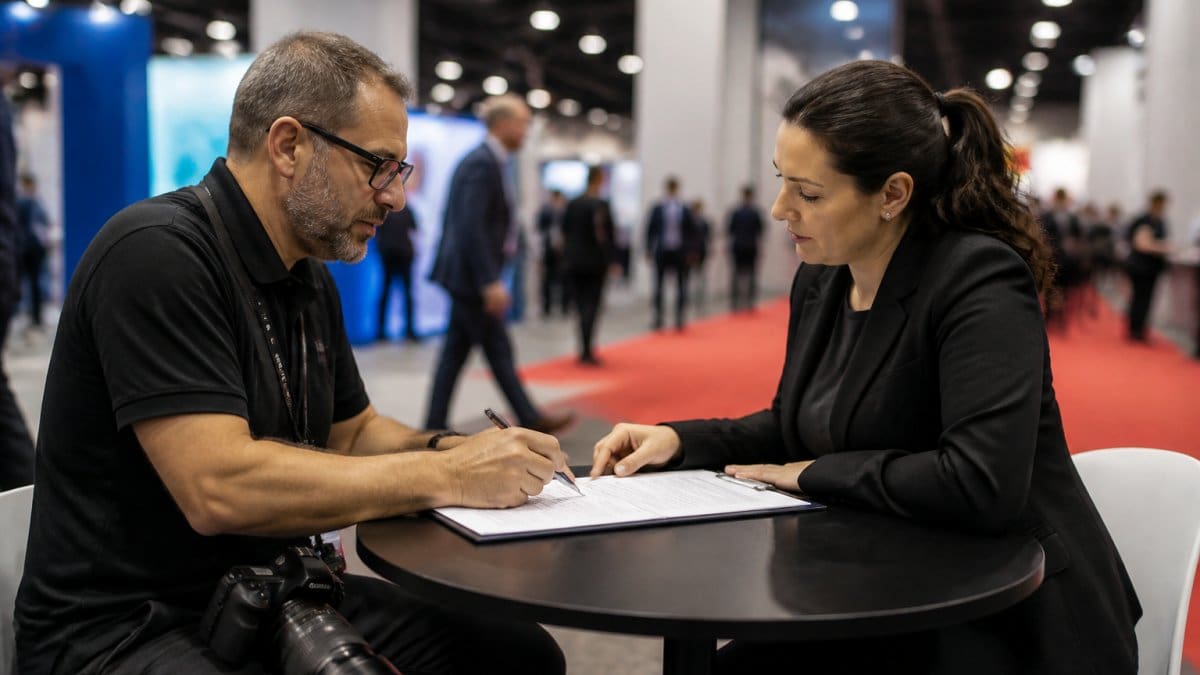
A clear contract protects both you and your photographer. It establishes expectations around deliverables, timeline, usage rights, and payment.
Image Delivery and Usage Rights
Deliverables clause should include:
- Number of images delivered
- Format (digital files, resolution)
- Timeline for delivery
- Number of edited vs. raw images
- Whether prints or albums are included
Usage rights clause should specify:
- You own full rights to use images for nonprofit purposes
- You can use images in annual reports, grant proposals, social media, websites, and fundraising materials
- You can make prints and display images at future events
- You can share images with donors and community partners
- Photographer retains credit/attribution rights
For nonprofits, "full usage rights" is essential. You cannot afford licensing restrictions that limit how you deploy images across communications channels.
Essential Contract Clauses for Nonprofits
Payment terms: Specify when payment is due (typically 50% deposit to book, 50% due before event or within 5 days after).
Cancellation policy: Most photographers require 14-30 days notice for full refund of deposit.
Backup photographer: Specify whether the contracted photographer will attend personally or whether a backup is acceptable.
Event access: Confirm the photographer has access to all event areas, including restricted spaces if relevant.
Timeline for delivery: Specify when you’ll receive images. For nonprofits using images immediately, expedited delivery matters.
Editing standards: Clarify what "editing" means and whether you get all images lightly edited or a curated selection heavily edited.
Confidentiality: If your event includes vulnerable populations or sensitive moments, specify that the photographer will not share images publicly without permission.
Hiring a Professional Photographer for DC Nonprofit Events
Selecting the right photographer is about more than price. You need someone who understands nonprofit missions, works within your event flow without disruption, and delivers images that tell your story.
Portfolio Review and Photojournalistic Style
Examine photographers’ portfolios for nonprofit and event work specifically. Look for photographers with demonstrated experience in nonprofit events, galas, conferences, or community gatherings. Photojournalistic style is essential, the photographer moves through your event capturing moments as they happen, rather than directing people into poses.
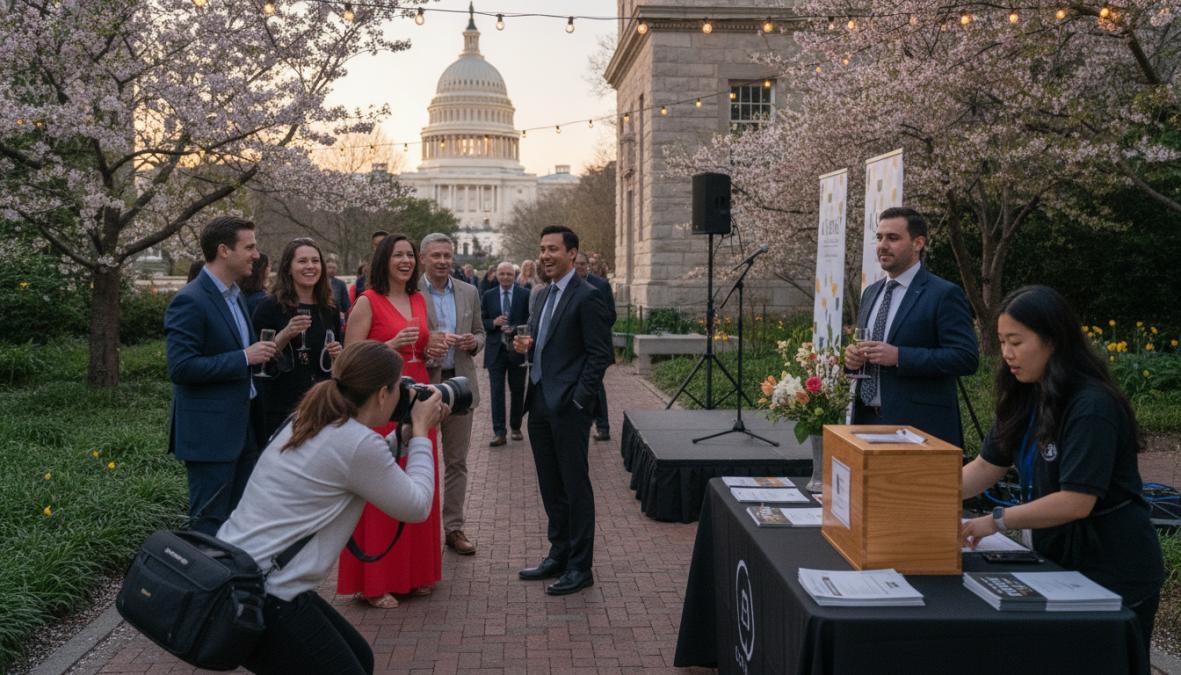
When reviewing portfolios, look for images that tell stories. Do the photographs show genuine interaction and emotion, or do they feel stiff and posed? Professional nonprofit event photography should show your mission in action, not just document that an event occurred.
Event Organizer Checklist and Preparation
Before booking:
- Review photographer’s nonprofit event portfolio
- Confirm they have experience with your event type
- Discuss your mission and what impact looks like visually
- Confirm pricing, deliverables, and usage rights
Two weeks before event:
- Provide photographer with event schedule and key moments
- Share your shot list and communication priorities
- Discuss venue logistics and lighting conditions
Day of event:
- Greet photographer and confirm they have everything needed
- Introduce them to your event leader for timing coordination
- Point out key moments or people to prioritize
- Let them work, good photographers need space to observe
Post-Production, Editing Services, and Digital Asset Delivery
Professional editing transforms good photographs into polished assets that represent your nonprofit well. Editing includes color correction, retouching, and cropping for composition. For nonprofits, editing ensures images look professional across different platforms.
Digital asset delivery should include high-resolution files suitable for print (300 DPI) and web-optimized files for faster online loading. Ask about file organization and metadata. Professional photographers deliver images organized by event timeline or shot category, making it easy to find specific moments.
Confirm that your photographer maintains backups of all images. If their hard drive fails, you shouldn’t lose your event documentation. Professional photographers maintain redundant backups as standard practice.
Create a shared folder system for organizing event images. Sort by date, then by shot category (speakers, beneficiaries, volunteers, etc.). This makes it easy for your team to find images when you need them for grant applications, social media, or donor communications months later.
Conclusion: Maximizing Your Mission Impact Through Visual Storytelling
Professional dc non profit event photography transforms your events from single-day occurrences into lasting communication assets. When donors and community members see high-quality, authentic photographs showing your mission in action, they develop deeper trust and commitment to your organization. The investment pays dividends across grant applications, annual reports, social media campaigns, donor communications, and fundraising materials. A single evening of professional coverage generates dozens of images you’ll deploy for 12-24 months afterward.
Event Photojournalism delivers award-winning coverage across the Washington DC and DMV area, capturing the essence of your nonprofit’s mission through photojournalistic storytelling. We provide customized packages designed to amplify your message, elevate your brand, and maximize your mission impact.
Nonprofit Technology Enterprise Network guide to nonprofit communications
Foundation Center research on grant proposal best practices
Nonprofit Hub resource on event planning and community engagement
Frequently Asked Questions
How much does DC nonprofit event photography typically cost?
Nonprofit event photography pricing in Washington DC varies based on event duration, complexity, and deliverables. Most professional photographers offer hourly minimums (typically 4-8 hours) or flat rates for full-day coverage. Prices generally range from $1,500 to $5,000+ depending on the photographer's experience, the number of photographers needed, and post-production editing services included. Request detailed quotes that specify image delivery, editing turnaround, and usage rights.
What should I include in an event photography contract template for nonprofits?
A nonprofit event photography contract should clearly define: the event date, time, and location; number of hours and photographers; deliverables (number of edited images, format, and delivery timeline); image usage rights (whether nonprofit can use for marketing, social media, and grants); payment terms; cancellation policies; and any specific shot list requirements. Include clauses about high-resolution file delivery, editing services, and whether the photographer retains copyright while granting usage licenses to the nonprofit.
What are the best practices for creating an event photography shot list for nonprofits?
A comprehensive shot list should include: key speakers and honorees, board members and staff, donor and attendee interactions, event details (signage, decor, food), group photos, candid moments showing mission impact, and any special moments (awards, performances). Organize by priority level and share with your photographer before the event. This ensures authentic moments capturing your nonprofit's story are documented while allowing flexibility for photojournalistic coverage that reveals genuine community engagement.
How do I budget for photography when planning a nonprofit fundraising event?
Include photography in your event budget as a strategic investment, typically 3-7% of total event costs. Consider grant-specific photography requirements (many funders require visual documentation), whether you need virtual or hybrid event coverage, and post-production editing time. Factor in high-resolution digital asset delivery for future marketing use. Request itemized quotes separating hourly rates, editing, and usage rights. Quality photography increases fundraising ROI by strengthening donor relationships and grant applications.
This article was written using GrandRanker