Table of Contents
- What Is Professional Event Photography for Summits?
- Why Professional Event Photography for Summits Matters
- Planning and Preparation: Shot Lists and Client Briefing
- Best Cameras for Event Photography and Essential Equipment
- Conference Photography Tips for Capturing Authentic Moments
- Corporate Event Photography Pricing and Service Models
- Post-Production Workflow and High-Resolution Image Delivery
- Legal Considerations and Discreet Photography Best Practices
Last Updated: July 31, 2026
What Is Professional Event Photography for Summits?
Professional event photography for summits captures corporate conferences and industry gatherings through strategic visual documentation. Summit photography tells your event’s story through images that document keynote presentations, networking moments, candid interactions between influential attendees, and create visual assets that amplify your message long after the event concludes.
Summit photography differs from standard event coverage because the stakes are higher. Your audience includes decision-makers, sponsors, media representatives, and key stakeholders who expect polished, professional imagery. The photographer must remain discreet while capturing authentic moments, no stiff poses or obvious staging.
Why Professional Event Photography for Summits Matters
Creating Marketing Assets and PR Materials
Your summit generates dozens of potential marketing assets in a single day. Professional photography transforms those moments into high-resolution images suitable for annual reports, LinkedIn posts, press releases, and media coverage. When journalists need photos of your keynote speaker or CEO networking with industry leaders, you have polished images, not blurry phone snapshots.
These images support fundraising campaigns, donor relations materials, website content, and social media storytelling months after your event. A single high-quality image of your board members in action becomes a powerful tool for attracting future sponsors and participants. Professional photography is a strategic investment in how your organization is perceived.
Request a shot list from your photographer before the event. Include specific people you want documented, key moments in your agenda, sponsor displays, and venue details to ensure nothing important gets missed.
Documenting Key Moments and Storytelling
The most powerful summit photos tell a story about your organization’s impact and influence by capturing genuine connections, excited expressions when speakers make breakthrough points, and the energy of networking receptions.
Authentic moments create emotional resonance. When potential donors see photos of your team genuinely engaged with summit attendees, it builds confidence in your organization’s credibility. A comprehensive visual narrative from your summit tells the complete story: anticipation before doors open, intensity during keynotes, relaxed energy during breaks, and satisfaction on faces during networking.
The most valuable summit photos capture genuine human moments, not staged poses. These images resonate because they feel real and emotionally authentic.
Planning and Preparation: Shot Lists and Client Briefing
Developing a Comprehensive Shot List
A shot list is your roadmap for ensuring nothing important gets missed. Review your summit agenda and identify key moments: opening remarks, featured speakers, panel discussions, networking breaks, sponsor recognition, and closing remarks.
A practical shot list includes:
- Speakers and presentations (wide shots, close-ups, audience reactions)
- Networking moments (group conversations, one-on-ones, reception energy)
- Venue and setup (entrance, signage, decorated spaces, sponsor booths)
- Attendees (VIPs, staff, volunteer moments, audience engagement)
- Details (name badges, programs, event materials, branded elements)
- Candid moments (laughter, surprise, genuine connection, movement)
Understanding Venue, Schedule, and VIP Attendees
Walk through your venue with your photographer before the event. Identify the best lighting during different times of day, note potential obstacles, and point out where important moments will happen. Your photographer needs to know the summit schedule and key attendees with names, faces, and context to anticipate moments rather than react to them.
Failing to brief your photographer on VIP attendees often results in missed documentation of your most important people. Over-directing can make them feel intrusive and interrupt the natural flow of the event.
Best Cameras for Event Photography and Essential Equipment
Camera Bodies and Lens Selection
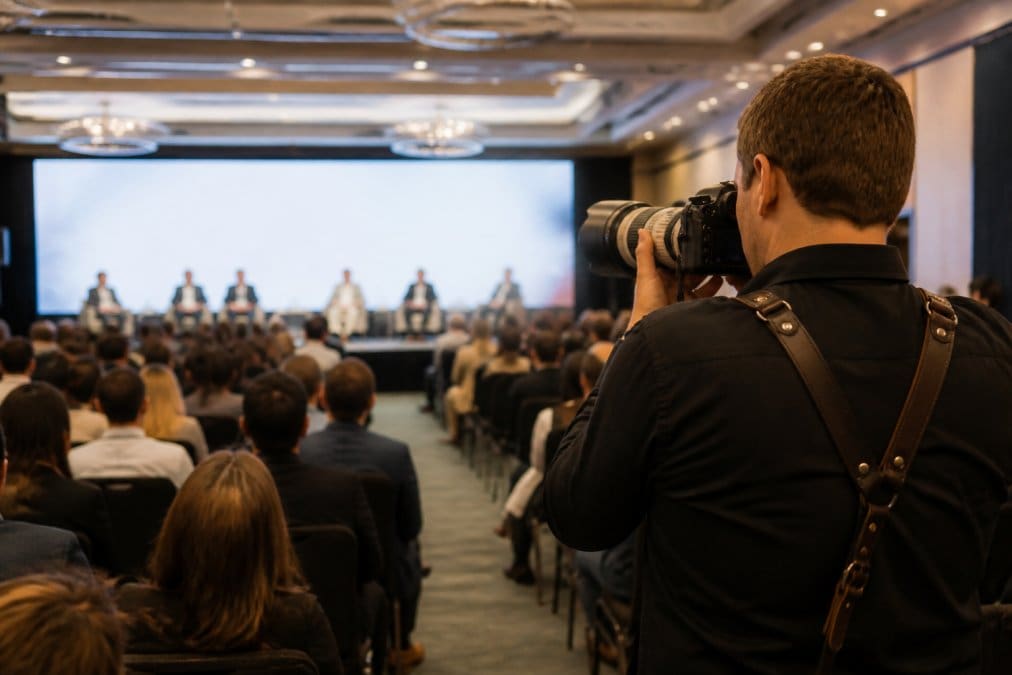
Professional summit photography requires cameras that perform reliably in variable lighting conditions. Full-frame DSLR or mirrorless cameras are industry standard because they offer superior low-light performance, fast autofocus, and quick lens-swapping capability.
Effective summit photographers carry at least two camera bodies, one with a wide-angle lens for room shots and audience reactions, another with a telephoto lens for capturing speakers from a distance. Wide-angle lenses (24-35mm) capture crowded networking areas, standard zoom lenses (35-85mm) work for most summit moments, and telephoto lenses (70-200mm) allow photographers to capture speakers from a distance without being disruptive.
Lighting and Flash Techniques for Summit Environments
Summit venues present unique lighting challenges. Stage lighting is often dramatic and directional, creating harsh shadows. Professional photographers work with these conditions rather than fight them.
Many summit photographers use off-camera flash strategically during networking moments to freeze action. However, flash must be used thoughtfully, constant flash during presentations is distracting. The best approach combines available light photography with selective flash use during less formal moments.
Conference Photography Tips for Capturing Authentic Moments
Candid Photography and Audience Engagement
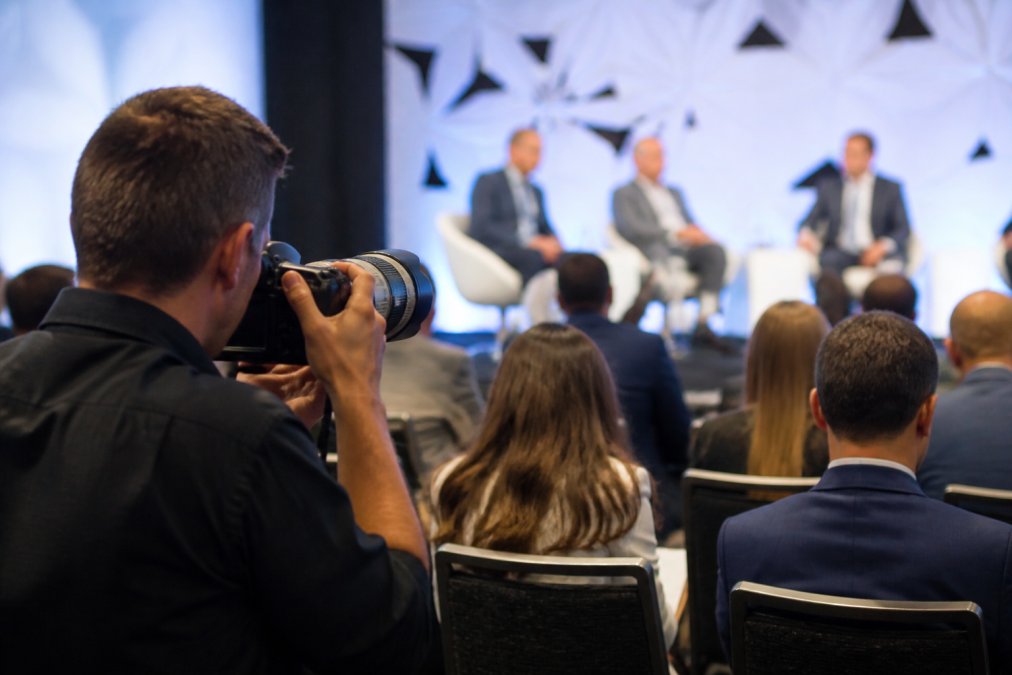
The most compelling summit photos capture genuine moments, a speaker making a powerful point, an attendee’s surprised expression, two professionals discovering a common interest. These candid moments reveal the true character of your event and the value it delivers.
Capturing authentic moments requires photographers to anticipate rather than react. By understanding your summit’s flow and positioning strategically, photographers can be ready when moments happen. A skilled photojournalist becomes nearly invisible, present enough to capture moments but discreet enough that people relax and act naturally.
Managing Low-Light Challenges and Fast-Paced Environments
Low-light conditions are nearly inevitable at summits. Professional photographers manage these challenges through camera settings that balance shutter speed, aperture, and ISO to maintain sharp images without excessive noise.
The pace of a summit means moments happen quickly and don’t repeat. Your keynote speaker delivers one presentation, the photographer gets one chance to capture it. This requires a photographer who understands their equipment so thoroughly that technical settings become automatic, freeing their mind to focus on composition and timing.
When briefing your photographer about low-light areas, mention specific rooms or times when lighting will be challenging. This allows them to adjust camera settings in advance and choose appropriate lenses.
Corporate Event Photography Pricing and Service Models
Understanding Pricing Factors and Package Options
Professional event photography pricing depends on coverage length, number of photographers, venue complexity, and turnaround time. A half-day summit with a single photographer costs significantly less than full-day coverage with multiple shooters.
Many photographers offer tiered packages reflecting different coverage levels and deliverables. A basic package might include 4-6 hours of photography with a single photographer and standard turnaround. Premium packages add second shooters, extended hours, expedited delivery, or additional edited images.
Turnaround Time and Delivery Expectations
Standard turnaround typically means receiving edited images within 2-3 weeks of your event. Expedited turnaround, delivering images within 48-72 hours, requires advance planning and additional resources. Some photographers offer same-day highlights for immediate use, with the full image set delivered later.
Discuss delivery format and specifications with your photographer. Do you need web-optimized images for social media, high-resolution files for print, or both? These details affect both the final product and the photographer’s delivery timeline.
Clarifying delivery expectations before your event prevents disappointment. Communicate timeline needs upfront so your photographer can plan their workflow accordingly.
Post-Production Workflow and High-Resolution Image Delivery
Professional post-production transforms raw photographs into polished final images through color correction, exposure adjustments, and subtle enhancements that bring out the best in each image without looking over-processed.
Different uses require different editing approaches. Images for your annual report benefit from consistent, clean editing emphasizing professionalism. Images for social media might benefit from slightly more vibrant color or contrast. Web-optimized formats balance image quality with file size, while high-resolution originals serve print applications. Professional photographers deliver images in organized folders with clear naming conventions and embedded metadata for searchability.
Legal Considerations and Discreet Photography Best Practices
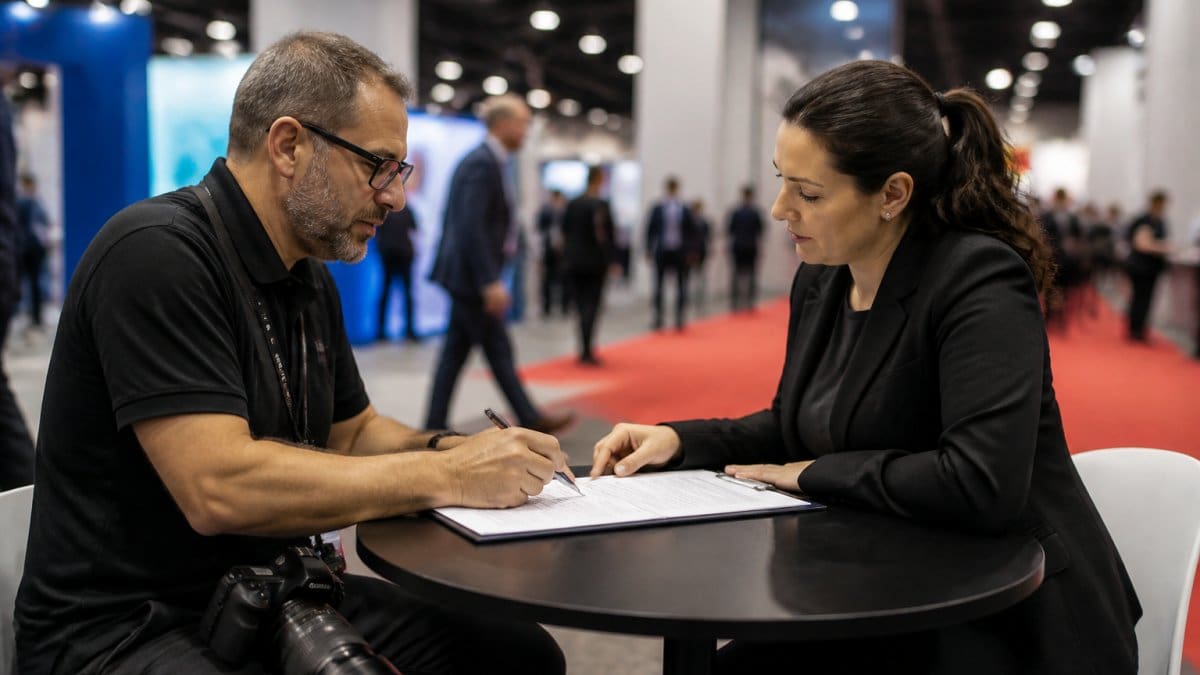
Before your event, establish clear guidelines about what can and cannot be photographed. Are there restricted areas? Attendees who’ve requested privacy? Do you need signed release forms, or does attendance imply consent?
Discreet photography means respecting attendees’ comfort and privacy while capturing authentic moments. Many organizations benefit from signage indicating that professional photography is taking place. This sets expectations and gives attendees the opportunity to opt out if they prefer.
Failing to communicate your photography policy to attendees can create awkwardness or privacy concerns. The balance lies in clear communication and respectful execution.
Bringing Professional Photography Into Your Summit Strategy
Professional event photography for summits isn’t an afterthought, it’s a strategic component of your overall event success. Start by identifying what success looks like. Are you building marketing assets? Documenting your organization’s influence? Creating content for donor relations? These goals shape every decision about coverage, timing, and deliverables.
The photographer you choose should understand your organization’s mission and values. Work with your photographer to develop a shot list reflecting your strategic priorities. This collaborative approach ensures the final image collection tells your organization’s story rather than just documenting what happened.
Professional summit photography delivers value extending far beyond the event itself. When you partner with experienced photographers who understand both the technical demands of summit environments and the strategic importance of authentic visual storytelling, your event generates marketing assets, documentation, and proof of impact that serve your organization for months or years to come.
Event Photojournalism brings award-winning expertise to corporate conferences, nonprofit galas, and high-profile summits across the DMV area. Our photographers understand how to capture authentic moments while remaining discreet, deliver high-resolution images on your timeline, and create visual assets that elevate your brand and amplify your message.
CONTACT US to discuss your summit’s photography needs and discover how professional documentation can maximize your event’s impact.
Frequently Asked Questions
What equipment is essential for professional event photography at summits?
Professional event photographers at summits typically use full-frame DSLR or mirrorless camera bodies, versatile zoom lenses (24-70mm and 70-200mm), prime lenses for low-light situations, external flash units, and backup batteries. Lighting equipment, tripods, and memory cards are also critical. The specific gear depends on venue conditions, indoor summits with variable lighting require more sophisticated flash and ISO capability than outdoor events. High-resolution sensors ensure images work for print, digital, and marketing materials.
How do professional event photographers charge for summit and conference photography?
Corporate event photography pricing depends on several factors: event duration, number of photographers needed, venue size, delivery timeline, and image quantity required. Most professionals offer tiered packages ranging from half-day to multi-day coverage. Pricing varies based on turnaround time, rush delivery for press releases the next morning typically costs more than standard 1-2 week delivery. Contact Event Photojournalism for a custom quote tailored to your summit's specific needs and budget.
How can professional event photography enhance my summit's marketing strategy?
High-quality summit photography creates versatile marketing assets: candid moments for social media, speaker portraits for press releases, audience engagement shots for annual reports, and networking images for donor relations. These images strengthen internal communications, amplify your brand message, and provide authentic visual narratives for fundraising campaigns. Professional photography also generates content for LinkedIn, websites, and media coverage, extending your summit's reach far beyond the event itself.
What are common challenges in professional event photography at summits, and how are they solved?
Low-light ballrooms, fast-paced speaker transitions, and privacy-conscious VIPs present typical challenges. Professional photographers address low-light situations with high ISO, fast lenses, and strategic flash use. For fast-paced environments, experienced photographers maintain detailed shot lists and position themselves anticipating key moments. Regarding discretion, professional photojournalists use longer lenses and unobtrusive positioning to capture authentic moments without disrupting board meetings or private conversations, a critical skill for high-profile organizations.
Sources:
[EXTERNAL_LINK: Professional Photographers of America industry standards | ppa.com]
[EXTERNAL_LINK: Event Profs Association guidance on event documentation | eventprofs.org]
[EXTERNAL_LINK: Marketing event photography best practices from Content Marketing Institute | contentmarketinginstitute.com]
This article was written using GrandRanker